


Art, Tea, and Culture: A Journey with Pierre Sernet Imagine a tea room that travels the world, setting up in different corners of the globe to bring people together. This is the heart of Pierre Sernet’s project, “One”. In “One,” Pierre captures the intimate moments of sharing tea with strangers from different cultures and countries. His portable Japanese tea room transforms any setting into a serene space for connection and conversation. Pierre’s project invites us to see beyond our everyday surroundings and explore new cultural perspectives. Through the simple act of sharing a cup of tea, Pierre highlights the mankind’s universal need for connection. It reminds us that no matter where we are from, we share common values and experiences. When I first met Pierre Sernet and saw his project One, I was immediately drawn in. The concept is beautifully simple: Pierre’s work is a celebration of the human spirit, and I felt an immediate sense of purpose in wanting to share this project with the world. His message is simple but incredibly meaningful, One shows that through the simplest of moments, we can find a sense of unity and understanding. Get ready for an exciting conversation as I sit down with Pierre Sernet, the creator of One, for an exclusive interview.. Hadi Brenjekjy: Hi Pierre, it’s awesome to have you here today. Let’s jump right in! Could you share a bit about your background and what led you to where you are today? I was born in 1951, raised, and educated in Paris. I was brought up to appreciate all forms of art. As a boy of ten, I collected art posters that stores, in those days, would place on their doors to advertise museum and gallery shows. At the age of eight, I studied drawing and pastel in a studio. I had to draw still lifes, but I was much more interested in the nude models that the adults were drawing. Later, I started working in photography to make pocket money. I went to business school, and in 1973, I decided to visit America for a couple of months to better understand how business was conducted there. By accident, I ended up working for a large commercial bank for five years. Then I left to set up a computer hardware company and continued as an entrepreneur. I ended up staying in New York for 43 years. I developed an interest in Japanese culture in my late twenties and eventually studied the tea ceremony for 16 years in New York, where the Urasenke School of Tea has an amazing set of tearooms in what used to be Mark Rothko’s studio. I moved to Japan full-time in 2019. Your career spans photography and business before you ventured into your current role. How did your experiences in these fields shape your transition to what you are doing now? As an entrepreneur, you experience both success and failure, but hopefully, you always keep learning. In 1985, I collected 19th-century Japanese photography. At that time, the art world had no easy way to find or evaluate art being offered for sale. I believed there was an opportunity. In 1986, I started what was later renamed Artnet, to display images of what was coming up for sale at 177 leading auction houses worldwide. We created the first image database in the world, and it became a showcase for Intel and IBM technologies. At the time, I asked auction houses to grant me a 49-year exclusivity for their electronic images. Over one hundred agreed, and seventy-seven gave us exclusivity ranging from 2 to 35 years. No one had ever seen digital images before. Artnet was a major disruption in an industry accustomed to photographic transparencies and directories listing art values without any images. I’ve always believed that if there’s a need, there’s an opportunity, and you should never take “no” for an answer. It’s often easier for people to say no, or that something won’t work or is impossible. But if you believe in it, you can make it happen. I went on to set up more than ten different ventures across fields ranging from computer hardware, software, and manufacturing to databases, internet polling, and real estate. Many were firsts in their industries. Some succeeded, and many did not. Business is a form of creativity. One should never be afraid to try. The tearoom concept you have developed is intriguing and culturally rich. Could you elaborate on its origins and how it reflects your broader vision? The tea ceremony is based on four principles: harmony, purity, tranquility, and respect. As an art form, it requires knowledge of nearly every Japanese art form except music. You must know about garden design, architecture, history, poetry, religion, painting, calligraphy, incense, flower arrangement, lacquer, ceramics, food, and, of course, the different procedures for making tea. Learning the tea procedures is difficult, but mastering all these other art forms is even more challenging. However, the most difficult part is living with the spirit of tea. After 16 years of studying tea and 25 years of making tea, and having a tea name, I know I will never master it. But it has strengthened my belief in respect, which I think is something our contemporary world has lost. I live in Japan because I feel respect is the foundation of its society. At the start of the millennium, I noticed growing polarization through anonymous internet postings. After the 9/11 attacks, I saw the U.S. trying to impose its single-minded views on the world, which I felt reflected a lack of respect for other cultures and lifestyles. I decided to use art to express these feelings through my photographs. Tea culture is indeed widespread, but Japanese tea culture is particularly unique. What drew you specifically to Japanese tea traditions, and how has this choice influenced your work? Because the tea ceremony is unique and largely unknown outside Japan, I felt people would stop and pay attention when it was presented in artwork. I created a portable structure that replicates a Japanese tearoom, which I can use to invite

The Perspective of Being a Leader in a Culturally Diverse Team
The Perspective of Being a Leader in a Culturally Diverse Team In this age where boundaries do not exist in context of trade and employment, the responsibility of the executives and managers have amplified as they have to deal with multi-cultural teams while giving effective direction to the firm. We can say that this was certain to happen since globalization got intense now, it’s evident that organizations have the liability of going through a lot of challenges, as well as gains which are massive. The flavour of the new leadership focuses on global integration and immersion, however that perspective misses out on an important detail,cultural intelligence. Pursuing global vision and goals while doing so with only one perspective fails as a vast majority of creative potential is simply ignored. The dramatic focus on utilizing a locally orientated framework on a non-local basis misses out on a continuously growing market: Cultures that have been largely ignored in one geographical area due to taste, now have the ability and resources to cultivate interest elsewhere. Organizations can benefit by increasing their management team’s diversity with the objective of increasing their overall organizational vision and revenue. Let me elaborate further on the importance of cultural intelligence. A considerable amount of research has been done to support the theory that for organizations to have maximum output, employing diversity into their workforce is key. For instance, a 2019 study stemmed by Boston Consulting Group evidenced that management teams with increased representation not only performed above average, but also reported increased revenue stemming from their innovation efforts. In the same line of thought, in the year 2017, a report by McKinsey & Company was based on the analysis of information from more than 1,000 companies in 12 different countries. The report found that the correlation between profitability and ethnicity in companies is as high as 33% among the most diverse companies’ nations. Individuals with different ethnic and cultural backgrounds have different skills, experiences and methods of approaching and solving problems, making them stronger in varying market conditions and diverse client interactions across many business communities as well as enabling them to be more competent in complicated and unclear circumstances. Most, if not all, cross-cultural cooperation encourages better creativity and innovative ideas as a whole. The more people of different cultures, mind sets and professional fields work together, the better the chances the group will come up with creative ideas, recognize different and uncommon opportunities, and engage in many other useful brainstorming activities. “As a result of their professional duality, employees can bring unique and innovative concepts,” says Pamela Fuller who works in inclusion and leadership consulting. “Therefore leaders need to understand and exploit those differences to the fullest so that their workforce can innovate to the maximum.” The Issues Faced While Handling Cultural Pluralism The enhancement of managerial authority over polarized work force of different ethnicities also leads to new formidable challenges that should be noted. Differences in languages, customs, and workplace etiquette may easily lead to misunderstandings and offences unless they are better managed. As Rita McGrath, a Columbia Business School lecturer explains, “A difference in culture is not only a source of logistical problems but also a psychological barrier that affects trust, teamwork and finally performance.” Employees at the Center for Talent Innovation stated that approximately 39% of them consisting of multicultural employees believed that success at work for them was hampered due to their cultural background. A 2018 survey by Gartner also revealed that nearly 1/3 of HR leaders believe that the biggest challenge is managing a culturally diversified and geographically dispersed center. The achievement of these individuals is of the highest level and a lot of the time, adaptive leadership is the reason behind it. Rather than imposing a single, monolithic “company culture,” savvy executives must learn to cultivate an environment of psychological safety, open communication, and mutual respect – one where diverse perspectives are actively welcomed and leveraged as strengths. Executive management must look at cultural diversity as not just an issue but a way in which an assumption can be a big opportunity. Given the case studies and research, it highlights three approaches that the company should employ. The next method is to improve the interpersonal understanding of team members from distinct cultures. Cross-cultural understanding is crucial to this process and for this purpose understanding the co-workers and their styles is necessary. Thus, training sessions, doing cultural exercises, and encouraging the employees to appreciate each other’s culture can help. Using such training as a point of reference can enable employees resume global engagement while enjoying their interaction with one another within them organization. And for that reason IBM is one such great opportunity. IBM is quite collaborative enabling employees to assimilate with one another easily. As such, newcomers are expected to enroll in a program of international orientation where they meet with colleagues from various countries. In effect, the latter allow greater interaction with colleagues from different countries given that participants within IBM come from different countries and therefore are from various organizational backgrounds. The approach enhances interaction, decision making, and conflict resolution. On a similar note, the multi-system consultancy, McKinsey, aims to abolish the ‘it works there’ perception that such an informal approach could invite culture within the organization by allowing employees to follow and reinforce culture ambassadors within the given organization. These sorts of actions encourage new upgrading strategies and global aim in businesses. The goal is to foster spaces for intercultural communication, development of mutual understanding, and transfer of thoughts. In this sense, as team members understand more about each other’s histories and experiences, they are in a better position to work together. Use Votes for Creation Instead of trying to abolish or freeze cultural patterns of behaviour, it is important to retain them as useful sources of competitiveness. This, in turn, permits the unrestrained creativity of the organization’s employees whenever they are assigned diverse teams with complex tasks that are unclear in scope. For example, 3M is an international conglomerate that is known for its
Diary of a Different Culture for a Day
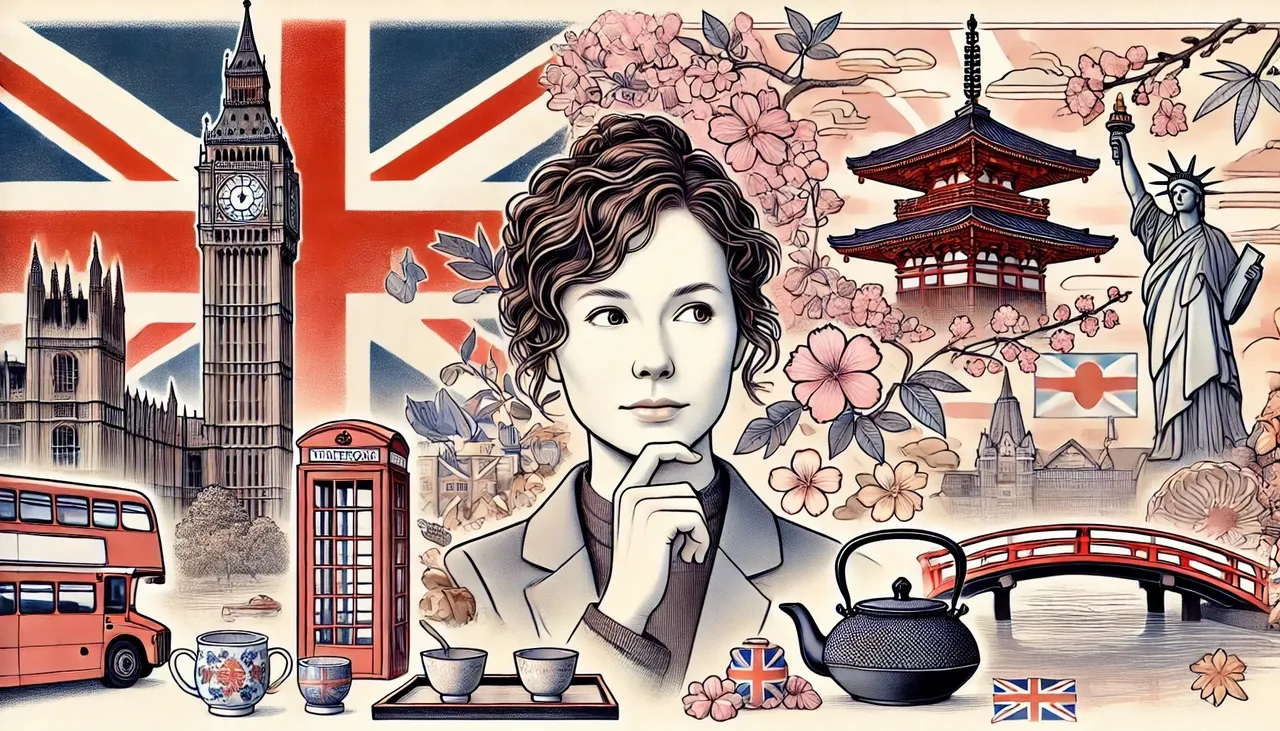
Diary of a Different Culture for a Day By Nicole Farid – LIC Board Member The Shock of Experiencing a Different Culture Imagine waking up one morning, finding yourself in a foreign country, surrounded by a new family, with no knowledge of their cultural norms. How would you react? You wouldn’t know how to behave, what to say, or what actions might be respectful, or offensive. Culture: Fate or Choice? None of us chooses where we are born. Whether fate or science, our birthplace largely shapes our cultural “norms.” But can we really say what’s right or wrong about them? Why not embrace elements from other cultures, appreciating that if we had been born elsewhere, those customs would be ours too? Living the “British Norm” in London Growing up in London, I’ve absorbed traditions like saying “please” and “thank you,” smiling at passersby, and always carrying an umbrella just in case. An afternoon cup of tea, fish and chips with vinegar, and the fast-paced, slightly stressful commute through bustling streets are all part of everyday life here. The Beauty of Contrast: Imagine a Morning in Kyoto, Japan Now imagine waking up in Kyoto, Japan, with a calm scent of cherry blossoms and delicate calligraphy on the walls. The experience is worlds apart from London’s hustle and brings a sense of peace just by being there. Though the day starts at 7 am in both places, the mindset is transformed simply by the location and lifestyle. Simple Actions, Profound Changes A sip of green tea and a traditional Japanese breakfast not only feels healthier but provides a calming contrast to the usual grab-and-go coffee and croissant routine back in London. Spirituality in Daily Life: A Morning at the Shrine In Kyoto, I wear Geta sandals and visit a local shrine, bowing at the entrance alongside others. Spirituality is a valued part of their daily life, beginning each day with meditation and hope. In London, spirituality feels less integrated into daily routines—could this difference impact our stress levels? Contrasting Mindsets in Crowded Spaces London’s crowded Tube, the race against time, and the “rat race” routine can leave little room for spiritual moments. Yet, London’s bustling life has its charm, with rich cultural diversity and unique energy. Experiencing the Opposite Perspective For someone from Kyoto, London’s modern-meets-historic cityscape, cuisine variety, and unique weather would all be a new and thrilling experience. With over 20 million tourists a year, London offers an exciting contrast to many cultures. Finding Common Ground in Diversity Waking up in a different culture can be disorienting yet rewarding. It’s easy to judge others based on our biases, but remember, if you were born in their shoes, you might see the world as they do. Walking in Another’s Shoes: Practicing Cultural Acceptance Next time you feel inclined to judge, try imagining life in someone else’s culture. Embrace the beauty of diversity by considering what a day might look like in their shoes.
What Trump’s 2024 Victory Could Mean for DEI
What Trump’s 2024 Victory Could Mean for DEI Now that Donald Trump has won the 2024 U.S. presidential election, many of us are reflecting on how his return could impact Diversity, Equity, Inclusion, and Belonging (DEIB) in corporate settings. Trump’s policies have historically taken a conservative approach, especially concerning workplace diversity initiatives. With this new term, corporations may face a shifting regulatory and cultural environment, and DEIB advocates may need to rethink their strategies. The big question is: What Trump’s 2024 Victory Could Mean for DEI? Here’s a look at what this could mean for DEIB initiatives in corporate America and how companies might adapt. The DEIB Approach to Training as a Policy change During his previous administration, Trump issued executive orders limiting federal training programs that included elements of critical race theory and diversity content. There’s no reason to believe he would take a different approach now. For companies, especially federal contractors, these orders could restrict training programs addressing issues like racism or privilege, and may limit the scope of diversity initiatives. Corporate DEIB (Diversity, Equity, Inclusion, and Belonging) would take on a different meaning in terms of program orientation, structure, and who leads these initiatives. For some companies, this could mean adopting a less visible form of DEIB. This might result in a situation where those interacting with the organization such as auditors or clients, perceive the company as promoting inclusion, while the organization itself chooses to be more discreet about it publicly. This creates a difficult balancing act: aligning with DEIB principles while operating within a framework that might seem to have a very different outlook on diversity and inclusion 2. Corporate Culture Focus and Focus on DEIB. Relevance of the Two While the government’s inclination is rather towards the conservative, some companies may decide to adopt this new perspective and hence change their DEIB strategies. This could be something like cutting down the presence or the resources allocated to DEIB programs since there will be less federal support and assurance to go in such initiatives. On the contrary, this may also serve as a great moment for the companies who are very much interested in DEIB transformation. And with regard to such transformation or rather DEIB as a whole, some organizations may choose to double down on their DEIB efforts during this time regardless of how the political aspect may affect the company or the economic chains. Thus, some such companies may see this as a good time to further strengthen their position and make DEIB a core part of their identity. 3. The Consequence on Hiring and Workforce Composition There were also many repeated campaigns to reinforce immigration policy which was one of Trump’s key focus areas. This seems to be new rubrics which could impinge on diversity in corporations, more so on a global scale. There are plenty of US companies that go overseas in search for professionals who can diversify their teams with unique approaches and skill sets. Other multinationals, as we found while researching, have a tendency for outsourcing. With more intense immigration policy this may shift, with more focus being relied on the domestic markets which could lessen diversity within the workforce. This modification might impact other industries like that of technology, research and finance where there are global upturns which are sought for progress. So, in the near future companies may find changing in sourcing strategy. perhaps focusing on diversity through local channels induction and diffusion in reproaching international representation. 4. Consumer Boycott and Reaction towards Customer Efforts in Corporate One thing is clear that average consumers and employees want to know about the social capabilities of the organizations and their managers. On the contrary, if the company compromises the DEIB strategies because it does not fit with the socio political landscape, then it is likely to face backlash from consumers, employees, and even investors who prioritize DEIB. Many supporters inside and outside the company have started to measure the company’s values scientifically to diagnose whether the company is a genuine supporter of the employees and its community. Consequently, this may be a dilemma for the firms. Should they just shift their DEIB emphasis in order to not incur regulatory backlash or do they go on record about their DEIB approach and invite the DEIB critics? This conflict will most probably be accompanied by the need for solutions which will allow the companies to implement DEIB policies in more politically effective manner. 5. Innovation, Creativity, and Global Competitiveness It is already established that innovation can only be conceived in the presence of a diverse society, numerous studies have shown that teams from different backgrounds produce more innovative solutions, several scholarly works have confirmed an increase in the number of innovative solutions proffered where teams are of different backgrounds. Yet, if there are further restrictions on DEIB efforts in the workplace, we may observe a change. But certainly, the absence of DEIB efforts may lead to a more homogeneous workplace thus slowing down the pace of innovation and subsequently competitiveness in the global context. This presents a significant risk, particularly for US firms especially in sectors that require innovation and new thinking. Over time, global markets have increasingly recognized the value of diversity. One possibility may be for such organizations to be mindful of DDIB-related beliefs but to allow them to progress in private “spaces.” 6. Adaptation and Resilience: A New Era for DEIB Even if a Trump presidency creates new challenges for DEIB, I think these principles are fundamentally ingrained in the identity of corporate America. We don’t expect DEIB to die but rather to evolve. There may be some companies that wish to implement their DEIB strategies in a more discreet manner, such as setting up employee resource groups or internal talks that do foster diversity but do not attract too much focus. DEIB leaders and advocates will have to think cratively given the ecosystems pain points, one scenario will be to focus on the low hanging fruits. The other option that

Understanding the Differences Between Expats and Immigrants
Understanding the Differences Between Expats, Immigrants, and Other Global Movers Millions of people live outside their countries of origin. Some move for work, others for safety, and some for the sheer adventure of experiencing a new culture. But terms like expat, immigrant, migrant, and refugee always create confusion. These labels carry different meanings and implications, and understanding their differences is important for better conversations about global mobility. Expats: The Lifestyle Seekers The word expat, short for expatriate, describes someone who temporarily or permanently resides in a country other than their native one. Expats are often associated with professionals, retirees, or digital nomads who relocate for career opportunities, a change of pace, or a better quality of life. Key Characteristics of Expats: Expats typically maintain strong ties to their home country and may not seek permanent residency or citizenship in their host country. This distinguishes them from other groups, like immigrants. Immigrants: The Settlers Immigrants move to another country with the intention of settling, often permanently. While the reasons vary better economic opportunities, family reunification, or escaping hardship immigrants often undergo complex legal processes to secure residency or citizenship. Key Characteristics of Immigrants: Unlike expats, immigrants often seek integration into their new country’s social, cultural, and political fabric, aiming to build a permanent home. Other Global Movers Migrant A broad term, migrant encompasses anyone who moves from one place to another, either within their own country or internationally. Migrants may move for seasonal work, better opportunities, or family reasons. Refugee A refugee is someone forced to flee their country due to persecution, war, or violence. They are protected under international law, often after applying for asylum. Asylee (Asylum Seeker) An asylee is similar to a refugee but is awaiting official recognition of their status. Diaspora A diaspora refers to a community of people from a specific region or country living abroad, often united by shared heritage or culture. Digital Nomad Digital nomads are a growing subset of expats who work remotely while traveling between countries. Key Differences at a Glance Each group has different reasons for moving, different plans for how long they will stay, and different legal hoops to jump through. These differences can shape how they are seen and treated. Statistical Insights Global mobility is on the rise, reflecting the interconnectedness of our modern world. According to the United Nations, over 280 million people lived outside their country of birth in 2022, representing 3.6% of the global population. These movements are driven by diverse motivations, from economic opportunities to safety and adventure. These statistics underscore the vast scale and diversity of global mobility, showing how individuals from all corners of the world contribute to economic growth, cultural enrichment, and humanitarian resilience. Cultural Contributions Global movers like expats, immigrants, refugees, or digital nomads bring rich cultural influences that shape and enhance the societies they become a part of. From arts and cuisine to technology and entrepreneurship, their contributions ripple through industries and communities worldwide. 1. Enriching Local Cultures 2. Driving Innovation and Entrepreneurship 3. Strengthening Social Ties 4. Revitalizing Aging Populations In many developed nations with aging populations, immigrants fill vital roles in healthcare, education, and other essential services, ensuring the continuity of these sectors. For instance, migrant healthcare workers make up a significant percentage of the workforce in countries like the UK and Germany. 5. Cultural Diplomacy and Representation 6. Reviving Rural Areas In countries like Italy and Spain, immigrants have revitalized rural towns suffering from population decline. By starting businesses, reopening schools, and integrating into local life, they breathe new life into struggling regions. 7. Advocating for Inclusion and Equity Global movers often become advocates for inclusion, equity, and representation, inspiring social change. Their voices challenge stereotypes and encourage more inclusive policies, making host societies more welcoming for future generations. Why Understanding Terms Matters The words we use to describe global movers affect how they are perceived and treated. While an expat might be seen as adventurous and ambitious, an immigrant might face stereotypes or systemic barriers. Recognizing these nuances helps us move beyond labels and appreciate the individual stories behind them. Once we understand the differences, we can create empathy and ensure that policies, workplace cultures, and social narratives reflect the diversity of experiences that make up the global movement of people. Whether someone is seeking opportunity, safety, or a new adventure, every journey matters. Do you identify as an expat, immigrant, or digital nomad? Share your experiences below! Resources Section Share this post:
Receiving a foreign delegation: practical DOS, DON’TS
Receiving a foreign delegation: practical DOS, DON’TS, and where to find them Recently I’ve hosted workshops for an American company, currently going through a process of integration with a Cyprus-based company. One of the American participants approached me after a workshop with a pretty curious question: “I am receiving two colleagues from Cyprus next week.Could you give me some cultural do’s and don’ts that will help me not offend them?” The workshops I conducted were not focused on any particular culture, so I was really excited to help her shape her expectations before the visit. Here are the tips I gave: 1. Focus on researching your colleagues, find out about their formative culture At the company I worked with, the situation with the origin of the employees was actually quite complicated. Particularly, many employees living in Cyprus were actually born and raised in Slavic cultures, such as Russia, Belarus, Ukraine. To find out about the formative cultures of your colleagues, you can try researching their LinkedIn profiles. Maybe they used to work at a different company, which is clearly from another country, or went to university in another country. If you see that your delegation is completely, say, Belarusian, that it makes sense to search for Belarus culture tips. If you are looking for practical tips on any culture, be sure to visit The Cultural Atlas – an Australian project that collects and shares insights about most countries of the world. 2. Remember that your good intentions will be visible Working with a mixed team is a completely different story. You will have to research multiple cultures, and you’ll have to try to work out which traditions and behavioural patterns will satisfy all the parties. If you feel swamped by information, remember this: the fact that you understand your colleagues are from a different culture, and you’re trying to adjust to that, makes you more culturally sensitive than 90% of people. If you really put in effort into altering your behaviour to match the cultural expectations, this will surely be visible to your colleagues, and they will appreciate it. 3. Be mindful about expats If someone has lived and worked in a different culture for a very long time, chances are their international lifestyle has polished off their original cultural specificities. With expats you are unlikely to see too many differences in their behaviour that are culturally explained. However, the communication patterns might be much more deeply-rooted. It takes a lot of mental effort and conscious work to change them. So even living in a different culture for a long time might not influence them too much. Still, behavioural differences, like greetings, eating, physical interactions, shouldn’t cause issues when it comes to expats. 4. Try to ask more questions No matter how well you prepare for our delegation, there will still be various issues you can encounter in the form of individual differences your colleagues will have. How to solve them? Easy – just ask. For example, find out when they would like to have lunch, at what time they usually have a break, how comfortable they are with hugging, and all other possible nuances. Not only will this alleviate all the remaining possible issues, but it will also make your counterparts feel accommodated and appreciated. 5. 3 biggest difference areas Of course, I’m not trying to belittle or underestimate in any way the value of other areas where people’s habits and communication patterns might be different. Still, in my experience, and my clients’ experience, the areas that cause the most confusion, are: I really encourage you to keep these in mind when you prepare for the visit of your delegation. Coupled with the previous technique, these points will make your life so much easier. Finally, I would like to leave you with one last tip: people are not just a sum of their cultures. First and foremost, they are individuals with completely unique backgrounds and experiences. So, the best way to prepare for a foreign delegation’s visit is to get to know your colleagues better. By Kristina Roppelt Kristina Roppelt is an intercultural communication consultant with 10+ years of industry experience and 63 visited countries under her belt. Clients all over the world, such as Hasbro, Greenpeace, Goethe Institute and more, have sought her skills to accelerate their international development.
The China Room: A Hidden Symbol of Diplomacy in the White House
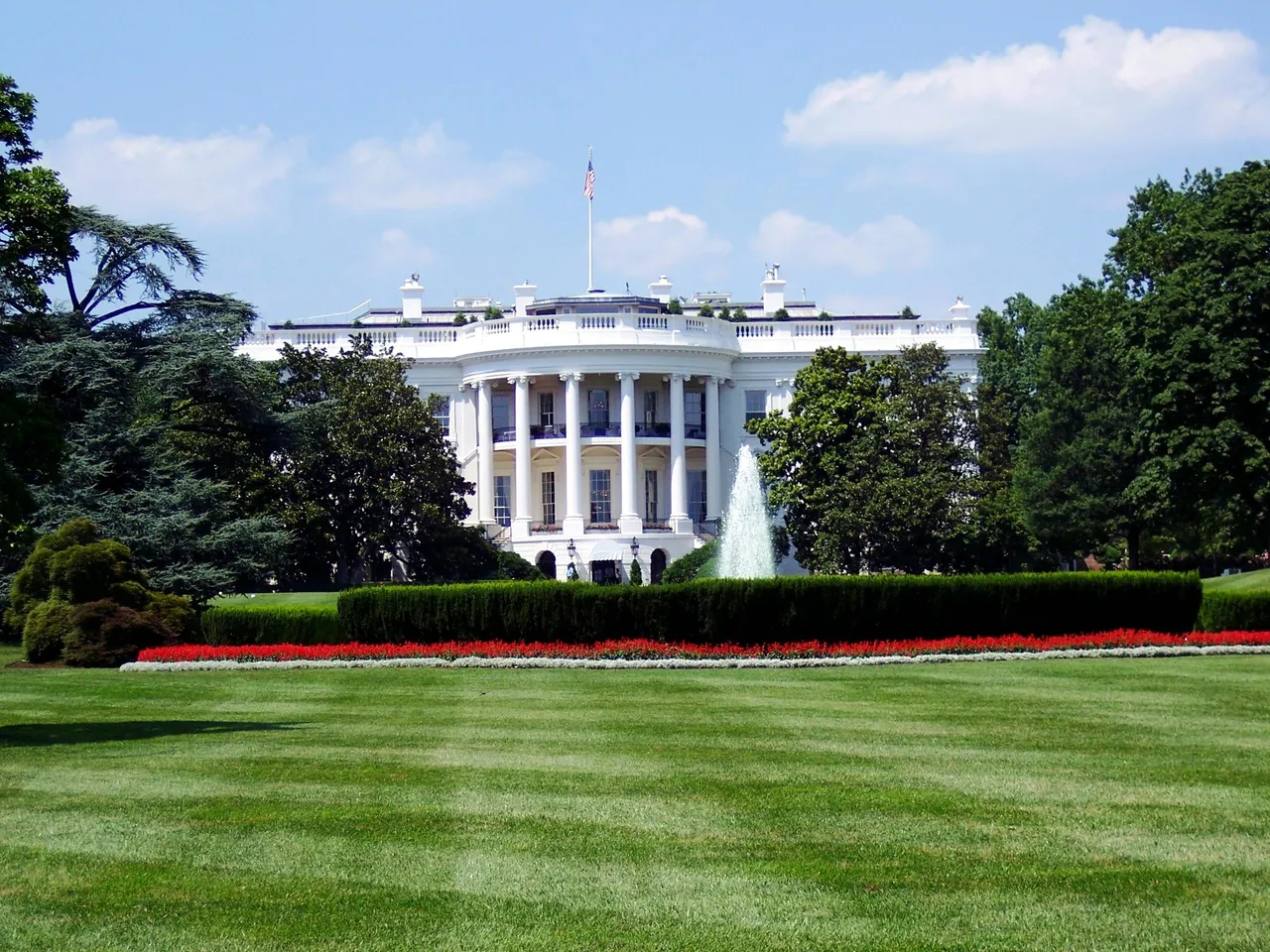
The China Room: A Hidden Symbol of Diplomacy in the White House When people think of diplomacy in the White House, they often picture high-stakes meetings, press conferences, and state dinners. However, one of the most understated symbols of diplomacy lies quietly on the ground floor: the China Room. Origin of The China Room At first glance, the name might raise eyebrows, does it have anything to do with the country China? Well, The China Room derives its name from the fine porcelain dinnerware, commonly referred to as “china”—displayed within its elegant cabinets. Designated in 1917 by First Lady Edith Wilson, the room was transformed from a storage space into a curated historical archive. Mrs. Wilson sought to create a formal display for the growing collection of presidential china, recognising its value not just as decoration, but as a cultural artifact. Over the years, the room has become a visual timeline, hosting pieces that date as far back as the early 1800s. Chinese Porcelain: A Cultural Narrative Each piece in the China Room tells a unique story of artistic evolution, manufacturing techniques, and changing diplomatic norms. Presidential china sets are a window into the values and vision of each administration. Presidents and First Ladies have often overseen the design of their own official state china. These sets are used for state dinners, luncheons, and receptions with visiting heads of state. But what makes these plates more than decorative is how they are used: at moments when the U.S. extends a hand in friendship, unity, or celebration to other nations. Origins of The Chinese Porcaline Chinese porcelain has a long and rich history that dates back over 2,000 years. Han Dynasty (206 BCE – 220 CE) The earliest forms of Chinese porcelain began to emerge during the Han dynasty. These were relatively simple stoneware pieces, which laid the foundation for what would later become true porcelain. The first known use of porcelain was in the form of high-fired ceramics. Tang Dynasty (618–907) The Tang dynasty saw the refinement of porcelain techniques, especially the use of kaolin, a white clay that would eventually define porcelain. This period also marked the beginnings of the famous blue-and-white porcelain, a style that would become iconic in later centuries. Song Dynasty (960–1279) Golden Age of Porcelain: During the Song dynasty, porcelain production reached new heights. This era saw the development of famous kilns such as those in Jingdezhen, which became known as the “Porcelain Capital.” The Song period is often considered the golden age for Chinese ceramics, with highly refined pieces like celadon and black-glazed porcelain emerging. Yuan Dynasty (1271–1368) The Yuan dynasty saw the introduction of new techniques and the expansion of porcelain production. The famous blue-and-white porcelain, which became a hallmark of Chinese porcelain, was further perfected during this time. These pieces were often decorated with motifs of dragons, flowers, and landscapes. The Yuan dynasty also marked the beginning of China’s porcelain trade with the West, with Chinese porcelain reaching Europe and the Middle East. It All Started As Diplomatic Gifts The Chinese porcelain in the China Room was largely accumulated through diplomatic gifts, particularly during the 19th and early 20th centuries, as a part of the U.S.-China relations. Many of the porcelain items were presented to American presidents by Chinese officials and diplomats as symbols of goodwill, friendship, and cultural exchange. Notable Gifts and Key Events The Role of the China Room By the time Jacqueline Kennedy restored the White House in the early 1960s, she made sure to highlight the China Room as a space that showcased the nation’s historical and diplomatic ties through china collections. She had an interest in preserving the presidential heritage and the diplomatic gifts that had been passed down through various administrations. Under her guidance, the Chinese porcelain pieces became an important feature of the room. The Symbolic Importance Chinese porcelain in the China Room symbolizes the strong historical and cultural ties between the United States and China. The intricate porcelain pieces in the room are not only valuable art objects but also serve as reminders of the centuries of diplomacy, trade, and cultural exchange between the two nations. A Backdrop to History While rarely featured in headlines, the China Room has hosted countless quiet moments in diplomatic history. During tours, receptions, and cultural exchanges, international guests often pause to admire the porcelain pieces, a moment of curiosity that opens a doorway to cultural dialogue. One particularly poignant use of the China Room occurred during the Truman and Eisenhower administrations, when the room began to be more regularly featured during official White House tours. It offered not only a glimpse into presidential traditions but also into America’s self-image through hospitality. Today, guests to the White House, both national and international, often receive a guided look at the room. First Ladies continue to play a role in maintaining the collection, and new administrations may even commission their own set for future gatherings. Diplomacy Through Hospitality Diplomacy isn’t just about policies or speeches, it’s about gestures, traditions, and the space where conversations unfold. A formal meal served on presidential china does more than nourish, it symbolically communicates care, attention, and respect. The careful curation of tableware becomes part of a diplomatic performance, reflecting values of elegance, openness, and pride in national heritage. At the London Intercultural Centre (LIC), we acknowledge the role of cultural exchange in diplomacy. The traditions reflected in the China Room mirror customs of hospitality found around the world. Whether it’s a Japanese tea ceremony, a Middle Eastern feast, or an African communal meal, the universal message is the same: sharing food builds trust and build human connection. The China Room and Cultural Continuity Over more than a century, the China Room has weathered renovations, changing administrations, and evolving tastes. Yet it remains a constant, grounded in tradition while reflecting modernity. The most recent additions to the room continue to show a shift toward sustainability and inclusivity, highlighting how diplomacy evolves alongside social values. This continuity mirrors the essence of intercultural diplomacy: balancing respect for the past with openness to the future. The Future of Cultural Diplomacy
When Trust Costs Millions: What PwC’s Saudi Ban Teaches Us About
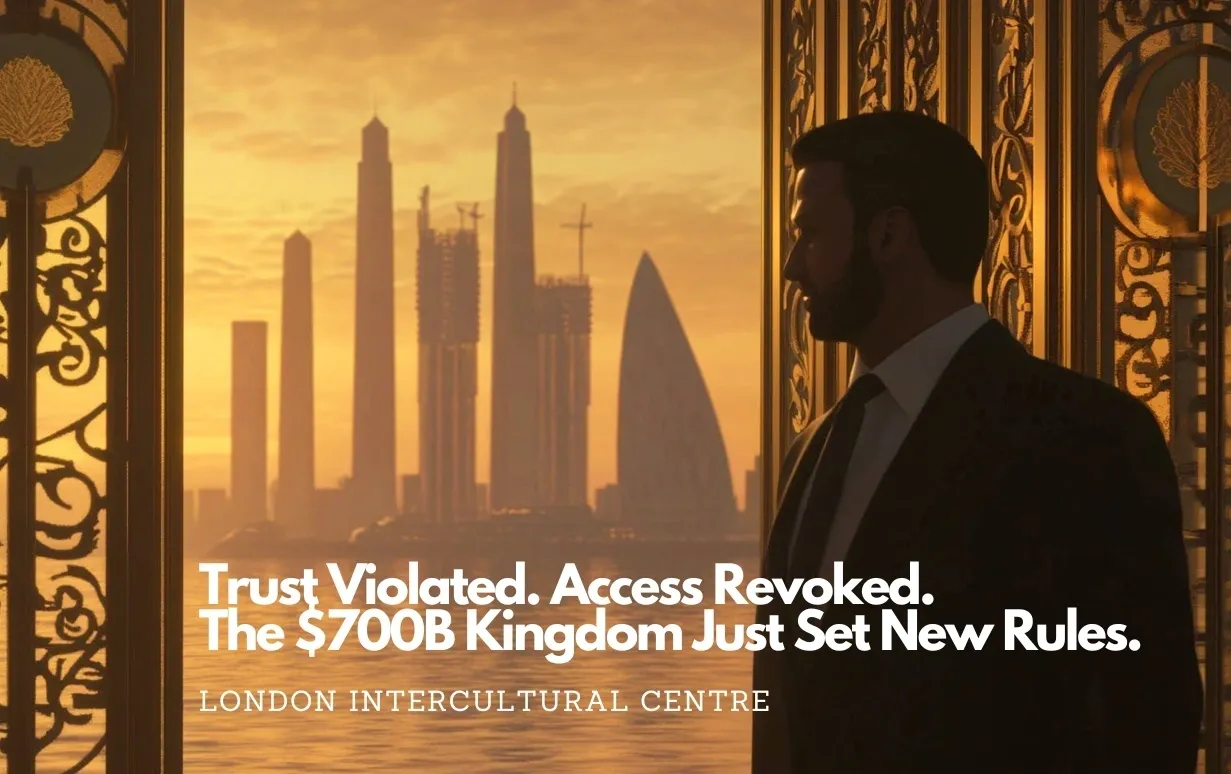
You don’t get kicked out of a kingdom quietly. When PwC – a consulting titan with revenues in the billions, was handed a one-year advisory ban by Saudi Arabia’s Public Investment Fund (PIF), the message wasn’t whispered. It was broadcast across boardrooms from Riyadh to New York PwC The Fall of a Giant One recruitment decision just cost PwC a seat at one of the richest tables on Earth and the ride on the Vision 2030 rollercoaster hit an emergency brake. In February 2025, Saudi Arabia’s PIF cut off PwC from new advisory work, internal information has been citing an ethics breach tied to the recruitment of Neom’s former internal audit chief. With PwC Middle East revenues growing by 26% last year, this ban is not just a PR damage—it’s an advisory market bloodbath. Saudi isn’t just any client. It’s the client: trillions in investment, world-stage ambitions, and zero tolerance for internal drama. History Is a Ledger. It Remembers. From Enron to Neom, it’s always the relationships—not just the reports—that bring giants down. The ghosts of Arthur Andersen in 2002 still haunt the audit world. Back then, it was Enron’s collapse. Now, it’s the world watching Saudi Arabia draw a red line. PwC Middle East grew 26% last year, outpacing its UK arm—yet one misread of cultural and ethical boundaries halted that momentum overnight. History doesn’t repeat itself. It warns. Loudly. PIF’s Power Move Is Bigger Than PwC Saudi Arabia’s public investment fund is rewriting the rules of engagement. The PwC decision signals a new era where sovereign clients demand not just excellence, but allegiance. With Vision 2030 in full swing and projects like NEOM, AlUla, and The Line commanding global attention and capital, Saudi is asserting more than strategy — it’s asserting sovereignty. This is soft power as policy, and the Kingdom just made it clear: if you’re not aligned, you’re out. The Real Risk? Not Understanding the Unwritten You can’t Google gravitas. You earn it—or lose it—in a single decision. It’s about context fluency. It’s about knowing that in some cultures, hiring someone’s former insider without proper alignment isn’t strategy—it’s sabotage. It’s about understanding that in MENA, trust isn’t transactional—it’s generational. You don’t get to advise a kingdom if you haven’t first earned the right to be heard. That’s not a gap in paperwork. That’s a gap in wisdom. What Smart Organizations Should Do Now If you are advising empires, your first KPI should be diplomacy. For institutions eyeing mega-deals in the Gulf and beyond, here is the advisory playbook now: * Prioritise cultural intelligence as much as technical expertise. * Vet hires not just for skills—but strategic optics. * Engage through relational capital, not just RFPs. * Invest in local partnerships—not token ones, but trust-based alliances. This is the new standard. And failing to meet it doesn’t just risk embarrassment—it risks exile. The Intercultural Era Has Arrived The next billion-dollar contracts won’t go to the biggest firms. They’ll go to the best listeners. At LIC, we have spent over a decade navigating the unspoken. From London to the Levant, we have advised on cross-cultural alignment, stakeholder strategy, and power dynamics long before they made headlines. This moment isn’t just about PwC. It’s about every global player waking up to the fact that understanding context is no longer optional. It’s the deal. So let the PwC story be a lesson—not a scandal. The future belongs to those who can read the room, build the bridge, and still deliver the spreadsheet. The Real Cost of Misreading Culture Misreading trust is like showing up to a royal dinner in flip-flops. PwC’s stumble was about breaking the unspoken code of regional decorum. Ethics, Culture, and Trust PIF saw this as an ethical breach, potentially giving PwC unfair access to sensitive information from a former insider—kind of like being handed the exam answers by the guy who wrote the test. That violates trust, transparency, and governance standards* in the region. This wasn’t about financial fraud. It was about optics and integrity—a cultural and political no-go in a country where relationships and loyalty are everything. The Kingdom was sending a very public message: “You may be global—but we are in charge here.”
AIMS London 2025: Innovation, Sustainability, & Culture
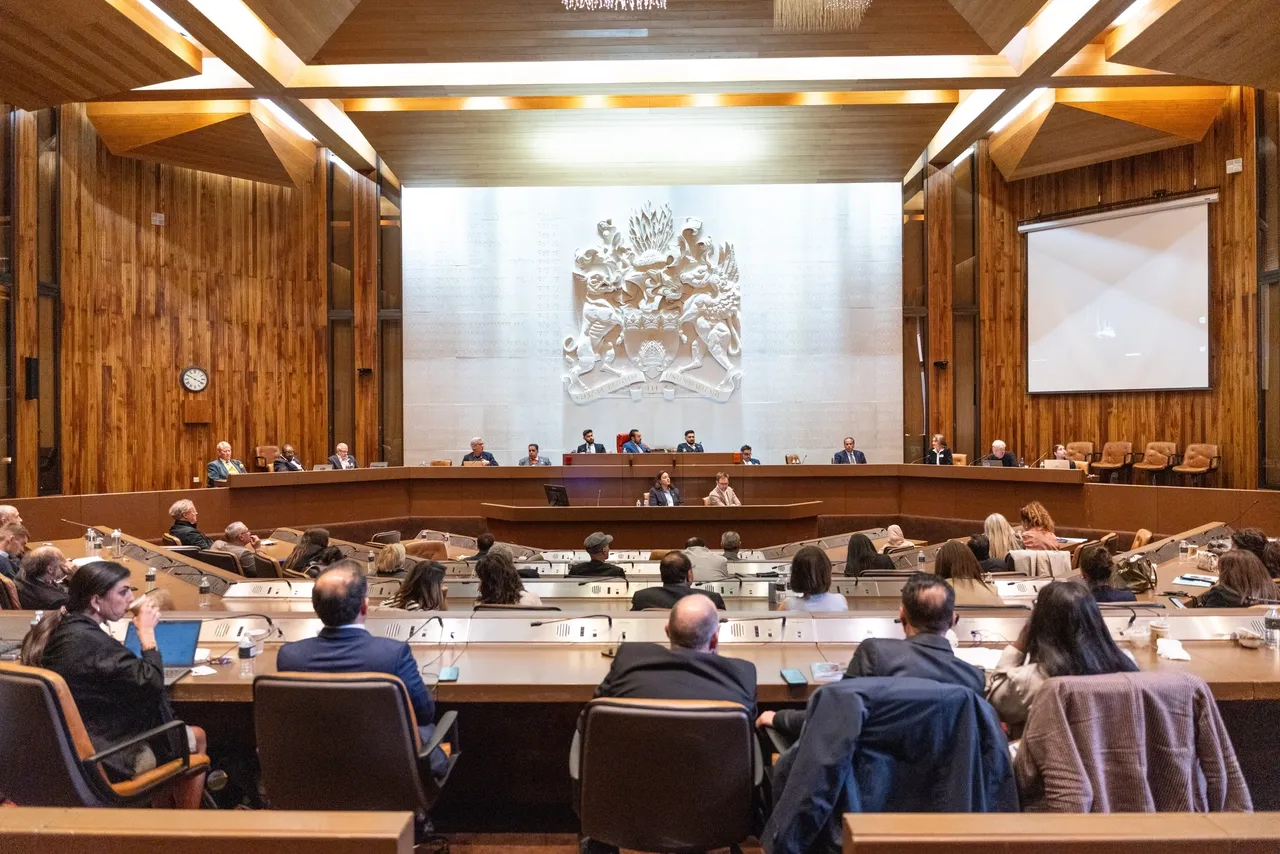
On May 19, 2025, AIMS returned to London with its third editionHeld under the theme “Intercultural Futures: AI, Sustainability, and the Next Era of Global Innovation,” this year’s gathering united global thought leaders, innovators, and policymakers around one purpose: to shape the moral and cultural frameworks guiding tomorrow’s technologies. What was AIMS London 2025 all about? We created AIMS London 2025 to bring global experts, visionaries, and boundary-breakers under one very interculturally inclusive roof to answer this question: How do we design a future where technology doesn’t just serve the few, but uplifts the many? Why are we (LIC) doing this? Because if not us, then who? LIC is a bridge. We are the connective tissue between: Tech and humanity. East and West. Tradition and innovation. Power and purpose, and we have spent years cultivating relationships across borders, industries, and ideologies. So it made sense to create: A global stage in London where the future of AI is debated not just by technologists — but by educators, artists, policymakers, and activists. AIMS is our love letter to: Inclusive innovation. Sustainable leadership. And a tech future that remembers its cultural roots Notable Speakers and Insights James W. Keyes James Keyes’ focused on redefining traditional views of leadership. Drawing from his personal journey and professional experience as the former CEO of Blockbuster and 7-Eleven, he highlighted that true leadership transcends titles and corner offices. Keyes advocated that effective leadership is about seeing change as an opportunity rather than a challenge, a concept he encapsulated as “Change Equals Opportunity.” He also redefined the CEO acronym as “Chief Encouragement Officer,” emphasizing the importance of empowering and uplifting others in a leadership role. His narrative was deeply personal, recounting how he overcame adversity in his childhood by harnessing his innate capacity for learning. This resilience and commitment to personal growth and education enabled him to rewrite his life’s narrative, steering him away from potential peril and towards becoming a leader of iconic brands. Erica Hu Erica reimagined personal growth with human-centered AI, calling us to design systems that unlock human potential, not replace it. Presenting a vision where AI transcends traditional computational roles to become a connector of people and cultures. Erica is at the forefront of developing human-centered AI, emphasizing the importance of designing technology that understands not just our words, but the world we inhabit. Erica highlighted the need for AI that feels and adapts, respecting culture and acting as a mirror to our values and identity. She reinforced the message that “AI is not just a tool—it’s a reflection of who we are and what we value.” This perspective pushes the boundaries of AI beyond mere functionality, advocating for its integration into the cultural and emotional fabric of society. Caitlin Sarian With her journey from EY (Ernst & Young) to leading TikTok’s security strategy, to becoming a leading influencer in the cybersecurity field, Caitlin has become a prominent voice in cybersecurity, reaching millions as a viral educator. In her keynote, Caitlin explained that cybersecurity is not just an IT issue confined to engineers but a universal responsibility. She shared her own story to demonstrate how cybersecurity can be made engaging and accessible to everyone. Caitlin’s speech motivated the audience to view cybersecurity through a new lens, encouraging them to be active, inclusive, and creative in their strategies. She highlighted how crucial teamwork and ongoing learning are in this field. Caitlin emphasized that innovation combines tech know-how with forward-thinking and strength against new challenges. Her message was clear: professionals should not only guard against dangers but also help build a safer digital world. Fabio Ardossi at AIMS London 2025 Fabio Ardossi Fabio explained that while AI technology has reached a high level of maturity, enabling it to surpass numerous human capabilities, there is a significant gap in its adoption due to a lack of trust. Fabio also explained that the advancement and enthusiastic embrace of AI have overshadowed the essential need to create trust and secure understanding among users. He pointed out that without a foundation of trust, AI innovation risks being seen as soulless—a technological achievement devoid of ethical responsibility. To address this trust deficit, Fabio proposed a reimagining of how AI is structured and integrated into society. He outlined three key areas for development: 1. Identification: Clarifying what AI truly is and dispelling myths and misconceptions around its capabilities and limitations. 2. Recognition: Demonstrating how AI can be a beneficial tool in addressing real-world problems and improving lives. 3. Inclusion: Ensuring AI aligns with human values and purposes Fabio called for a shift from merely technological enthusiasm to a more balanced approach where ethical considerations and human values are embedded into AI development and deployment. Areiel Wolanow Sounded the Q-Day alarm with a gripping look at quantum threats and how companies can stay future-ready. His speech, filled with insights from his extensive experience in both technology and strategic consulting, offered a stark reminder of the rapidly advancing world of quantum computing and the cybersecurity challenges it brings. Areiel highlighted that while quantum computing holds the potential to revolutionize industries with its unparalleled processing power, it also poses significant risks to current encryption methods, potentially rendering them obsolete. This “Q-Day” scenario—where quantum computers break widely used cryptographic protocols. He urged companies to future-proof their operations by investing in quantum-resistant technologies and prioritizing strategic foresight. Areiel emphasized the importance of staying ahead of these looming threats to safeguard data integrity and privacy in a quantum world. His call to action was clear: proactive preparation and innovation are crucial to navigating and mitigating the challenges presented by quantum advancements. Prof. Dr. Gabriele Pao-Pei Andreoli Prof. Andreoli delivered an enlightening presentation that invited us to rediscover the fundamental meanings behind two key concepts: resilience and sustainability. Prof. Andreoli guided us through a linguistic and philosophical exploration that challenged conventional uses of these terms. He began by dissecting the etymology of “resilience,” tracing its roots back to the Latin word “resilire,” which means “to leap back.” Gabriele emphasized that resilience is far more than mere survival; it’s about coming

The Rise of the AI-Powered Entrepreneur: Are We Finally Building
By Ozan ÖzsavaşcıPresented at AIMS London 2025 The emergence of artificial intelligence represents a critical turning point for global entrepreneurship. This article explores how AI, has begun to reshape access to opportunity—particularly for small entrepreneurs from less advantaged backgrounds. Using comparative narratives of two fictional entrepreneurs, Ahmet (from Turkey) and Emma (from the UK), the article traces the entrepreneurial landscape across the 1990s, 2010s, and 2020s to examine whether technology is truly creating a fairer economic environment—or simply reinforcing existing disparities under new terms. Has AI Equalized Entrepreneurship? Entrepreneurship has long been heralded as a vehicle for economic mobility and empowerment. However, the extent to which it delivers on that promise has always depended on access—access to knowledge, capital, markets, networks, and infrastructure. For decades, these access points were tightly bound to geography and privilege. The question now is: Has the rise of AI changed that? Drawing upon over 13 years of experience in the direct selling industry across more than 20 markets—from Africa to Western Europe—I examine how the barriers to entrepreneurship have shifted, and whether AI is emerging as a genuine equalizer in the global economy. The 1990s: Entrepreneurship Defined by Geography The 1990s were a time when success in business was still largely dictated by one’s location and local environment. Global market access was limited. There was no internet, no e-commerce, and certainly no AI. Communication was slow and expensive. Scaling a business internationally required significant capital, cross-border networks, and often, sheer institutional backing. To illustrate this reality, consider two fictional entrepreneurs:– Ahmet, a young business graduate in Izmir, Turkey, with no foreign language skills, no international exposure, and extremely limited access to finance.– Emma, a marketing graduate in Manchester, UK, fluent in English and with access to reliable infrastructure and funding opportunities. Despite differences in their respective national contexts, both Ahmet and Emma faced invisible walls—but Ahmet’s were significantly taller and thicker. The 2010s: The Internet Revolution and Uneven Progress By the 2010s, the internet had become a global force. Entrepreneurs could now reach beyond their cities and countries. Social media, e-commerce platforms, and digital marketing tools began to level the playing field—at least on the surface. Ahmet started leveraging platforms like Facebook and Instagram. He could showcase his products and access customers far beyond Izmir. Tools like Google Translate helped him bridge language gaps. However, financial limitations and digital literacy challenges persisted. Emma, meanwhile, embraced the digital wave with speed and precision. She launched a well-optimized website, adopted SEO practices, and expanded her business across European markets. Her early adoption of digital tools, combined with linguistic and financial advantages, allowed her to scale faster and with fewer obstacles. The 2020s: AI as an Emerging Equalizer The 2020s mark the rise of artificial intelligence—not only as a technological milestone but as a potential catalyst for democratizing entrepreneurship. Today, Ahmet can:– Use AI-powered design tools to create professional marketing content.– Employ real-time translation services to communicate globally.– Leverage predictive analytics to understand customer trends.– Access global selling platforms to reach clients worldwide. He is now building an international brand—without ever leaving his hometown. Emma continues to thrive, now using AI to automate workflows, scale outreach, and optimize strategy. However, the gap between her and Ahmet has narrowed. Opportunities and Responsibilities AI alone cannot create a fairer economy. Without equitable access to AI tools, education, and infrastructure, existing inequalities may persist or even widen. The real opportunity lies in our ability to ensure that AI adoption is inclusive, responsible, and human-centered. Leadership today demands more than innovation. It demands vision, digital literacy, ethical decision-making, and a commitment to expanding access—not just to technology, but to transformation. Conclusion The true revolution is not technological—it is human. It lies in how we choose to learn, adapt, and lead in this new AI-powered world. Entrepreneurship is no longer limited by borders or backgrounds. Success in the age of AI belongs to those who see barriers not as walls—but as stepping stones.