


Events Promoting Intercultural Dialogue and Understanding Intercultural dialogue refers to the open and respectful exchange of views between individuals from different cultural backgrounds. It involves the willingness to listen and learn from one another, embracing the diversity that each culture brings to the table. Through intercultural dialogue, people can bridge the gap between their differences and find common ground, leading to a better mutual understanding. What is Intercultural Dialogue All About? Intercultural dialogue promotes mutual understanding by creating a space for people to engage in meaningful conversations about their cultures, traditions, and values. This exchange of ideas helps in breaking down stereotypes and misconceptions, fostering empathy and respect for one another’s cultural backgrounds. Intercultural dialogue is important in a diverse society as it allows individuals to appreciate and celebrate cultural diversity. It provides a platform for people to learn from one another and build stronger, more inclusive communities. Through dialogue, misunderstandings can be resolved, and common goals can be identified, leading to a more harmonious society. Events play a crucial role in promoting intercultural dialogue by bringing together people from diverse backgrounds in a shared space. They provide opportunities for individuals to interact, share their experiences, and gain insights into different cultures, ultimately fostering a sense of unity and collaboration. How Do Events Unite People from Different Cultural Backgrounds? Various types of events can effectively promote intercultural unity, such as cultural festivals, art exhibitions, and international food fairs. These events offer a platform for individuals to showcase their cultural heritage, providing a rich and immersive experience for participants from different cultural backgrounds. Sports events also play a significant role in promoting intercultural dialogue. Whether it’s a friendly football match or a global sports competition, sports have a unique ability to transcend cultural barriers and bring people together, fostering a sense of camaraderie and mutual respect. Events facilitate the exchange of cultural diversity by creating opportunities for people to engage in meaningful interactions, learn from one another, and appreciate the richness of the world’s cultural tapestry. What is the Role of Organisations in Promoting Intercultural Dialogue? Organisations can foster dialogue and cooperation among different cultures by organizing workshops, seminars, and cultural exchange programs. Through these initiatives, they create a platform for individuals to engage in constructive discussions, share experiences, and form meaningful connections across cultural boundaries. Furthermore, organisations can organise programmes that promote intercultural understanding, such as language classes, diversity training, and cultural immersion experiences. These initiatives help in breaking down communication barriers and promoting a deeper appreciation for cultural diversity. Organisations also play a crucial role in recognizing and respecting the cultural identity of diverse communities. By creating inclusive environments and embracing diversity, organisations can foster a sense of belonging and unity among individuals from different cultural backgrounds. How Can Events Contribute to Sustainable Intercultural Dialogue? Implementing sustainable strategies is essential to ensure the longevity of intercultural dialogue through events. This can be achieved by developing long-term partnerships with cultural organizations, integrating intercultural dialogue into educational curricula, and supporting initiatives that promote cultural exchange and understanding. Events contribute to the ongoing debate on intercultural understanding by serving as platforms for open discussions, cultural performances, and interactive activities that encourage participants to engage in meaningful dialogue and reflection on the importance of mutual understanding. Key elements for organizing successful events that promote intercultural dialogue include creating inclusive and accessible spaces, providing opportunities for cross-cultural interactions, and engaging diverse communities in the planning and execution of the events. What Are the Key Challenges in Promoting Intercultural Dialogue Through Events? Barriers to intercultural dialogue can be overcome through events by actively promoting diversity and inclusion, providing language interpretation services, and addressing cultural sensitivity in event planning and execution. By consciously striving to create a welcoming and respectful environment, events can break down the barriers that hinder effective intercultural dialogue. Potential risks of promoting intercultural dialogue through events include the inadvertent perpetuation of stereotypes, cultural appropriation, and the unintentional marginalization of certain cultural groups. It is essential for event organizers to be mindful of these risks and work towards creating events that are respectful, inclusive, and reflective of diverse cultural perspectives. Events can effectively address the issue of cultural discrimination and biases by promoting cultural awareness, facilitating intercultural interactions, and providing a platform for open dialogue about the challenges and opportunities of cultural diversity. Through education and advocacy, events can play a significant role in fostering greater understanding and appreciation of diverse cultures.

Developing Cross-Cultural Competence
Developing Cross-Cultural Competence In today’s globalized world, the ability to develop cross-cultural competence is becoming increasingly essential. Cross-cultural competence refers to the ability to understand, communicate, and effectively interact with people from different cultural backgrounds. It involves developing the necessary skills, knowledge, and attitudes to thrive in diverse cultural environments, whether in the workplace, education, or everyday life. What is Cross-Cultural Competence? Cross-cultural competence encompasses the understanding of cultural backgrounds, the development of cultural intelligence, and the need to develop cross-cultural competence. It involves not only recognizing the existence of diverse cultural groups but also embracing and respecting these differences. Understanding Cultural Backgrounds To develop cross-cultural competence, individuals must strive to gain a deep understanding of various cultural backgrounds. This includes acquiring knowledge about the customs, traditions, values, and social practices of different cultures. Developing Cultural Intelligence Cultural intelligence is a critical component of cross-cultural competence. It involves the ability to adapt to different cultural contexts, effectively interact with individuals from diverse backgrounds, and display empathy and respect for cultural differences. Need to Develop Cross-Cultural Competence The need to develop cross-cultural competence arises from the ever-increasing interconnectedness of the world. As people from different cultural backgrounds come into contact with one another, the ability to navigate diverse cultural landscapes becomes imperative for harmonious coexistence. Why is Cross-Cultural Competence Important? The importance of cross-cultural competence is underscored by its role in enhancing intercultural communication, respecting different cultural groups, and overcoming prejudice. Enhancing Intercultural Communication Through cross-cultural competence, individuals can bridge the communication gap between diverse cultural groups. This fosters understanding, mutual respect, and effective dialogue across different cultures. Respecting Different Cultural Groups Cross-cultural competence promotes an attitude of respect and appreciation for the unique attributes of various cultural groups. It encourages individuals to recognize and honor the diversity that enriches the human experience. Overcoming Prejudice By developing cross-cultural competence, individuals can challenge and overcome prejudices and stereotypes that may exist towards people from different cultural backgrounds. This paves the way for building inclusive and harmonious societies. How to Develop Cross-Cultural Competence Developing cross-cultural competence involves a proactive approach to learning about different cultures, interacting with people from diverse backgrounds, and building meaningful relationships across cultures. Here are some steps to help develop cross-cultural competence: 1. Educate yourself: Take the time to educate yourself about different cultures, their customs, traditions, and values. This can be done through reading books, watching documentaries, and attending cultural events. 2. Be open-minded: Approach interactions with people from different cultures with an open mind and a willingness to learn. Be open to new ideas, perspectives, and ways of doing things. 3. Build relationships: Seek out opportunities to interact with people from different cultures, whether it’s through work, volunteer activities, or social events. Building meaningful relationships with individuals from diverse backgrounds can provide valuable insights and help cultivate empathy and understanding. 4. Practice empathy: Put yourself in the shoes of someone from a different culture and try to understand their experiences and challenges. Developing empathy can help you navigate cross-cultural interactions with sensitivity and respect. 5. Communicate effectively: Learn to communicate effectively across cultures, taking into account potential language barriers, nonverbal cues, and different communication styles. Be mindful of your own communication habits and be willing to adapt them to better connect with individuals from other cultures. 6. Be curious: Ask questions and show genuine interest in learning about different cultures. Curiosity can help foster deeper connections and create a more inclusive and welcoming environment for people from diverse backgrounds. 7. Embrace diversity: Embrace diversity as a source of strength and enrichment. Appreciate the richness that different cultures bring to the table and be open to integrating new ideas and perspectives into your own worldview. 8. Seek feedback: Seek feedback from individuals from different cultures about your interactions and understanding of their culture. This can help you identify blind spots and areas for growth in your cross-cultural competence. By actively engaging in these steps, individuals can develop the skills and mindset necessary to effectively navigate and thrive in diverse cultural environments. Developing cross-cultural competence is an ongoing process that requires continuous learning, self-reflection, and a willingness to embrace diversity. Learning About Different Cultures One of the fundamental steps in developing cross-cultural competence is actively seeking knowledge about the customs, traditions, and social norms of different cultures. This may involve studying history, literature, and art from various cultural backgrounds. Interacting with People from Different Cultural Backgrounds Engaging in direct interactions with individuals from different cultural backgrounds provides invaluable opportunities to broaden one’s cultural horizons. This may involve participating in cultural exchange programs, engaging in cross-cultural dialogue, or working in diverse teams. Building Relationships Across Cultures Establishing and nurturing relationships with people from diverse cultural backgrounds is pivotal in developing cross-cultural competence. Meaningful interactions and collaborations facilitate the exchange of ideas, experiences, and perspectives, contributing to mutual understanding and respect. Benefits of Cross-Cultural Competence The acquisition of cross-cultural competence yields a range of benefits, including enhanced international relationships, improved job performance, and contributing to an inclusive society. Enhanced International Relationships Individuals with cross-cultural competence can build strong and harmonious relationships with people from different parts of the world. This fosters international harmony, cooperation, and collaboration. Improved Job Performance Cross-cultural competence enhances individuals’ ability to navigate diverse work environments, understand global market trends, and effectively engage with clients and colleagues from various cultural backgrounds, consequently enhancing job performance and productivity. Contributing to an Inclusive Society By valuing and respecting diverse cultural perspectives, individuals with cross-cultural competence play a crucial role in fostering inclusivity and creating environments where everyone feels valued and respected, contributing to the building of a more cohesive and harmonious society. Research and Publications on Cross-Cultural Competence A substantial body of research and publications exists on the topic of cross-cultural competence, providing valuable insights into various aspects of cultural competency and intercultural communication. Title: Cross-Cultural Competence: Theory, Research, and Application Title: “The Cultural Intelligence Scale: A New Tool for a Globalized World” Title: Enhancing Cross-Cultural Competence of Medical and Healthcare
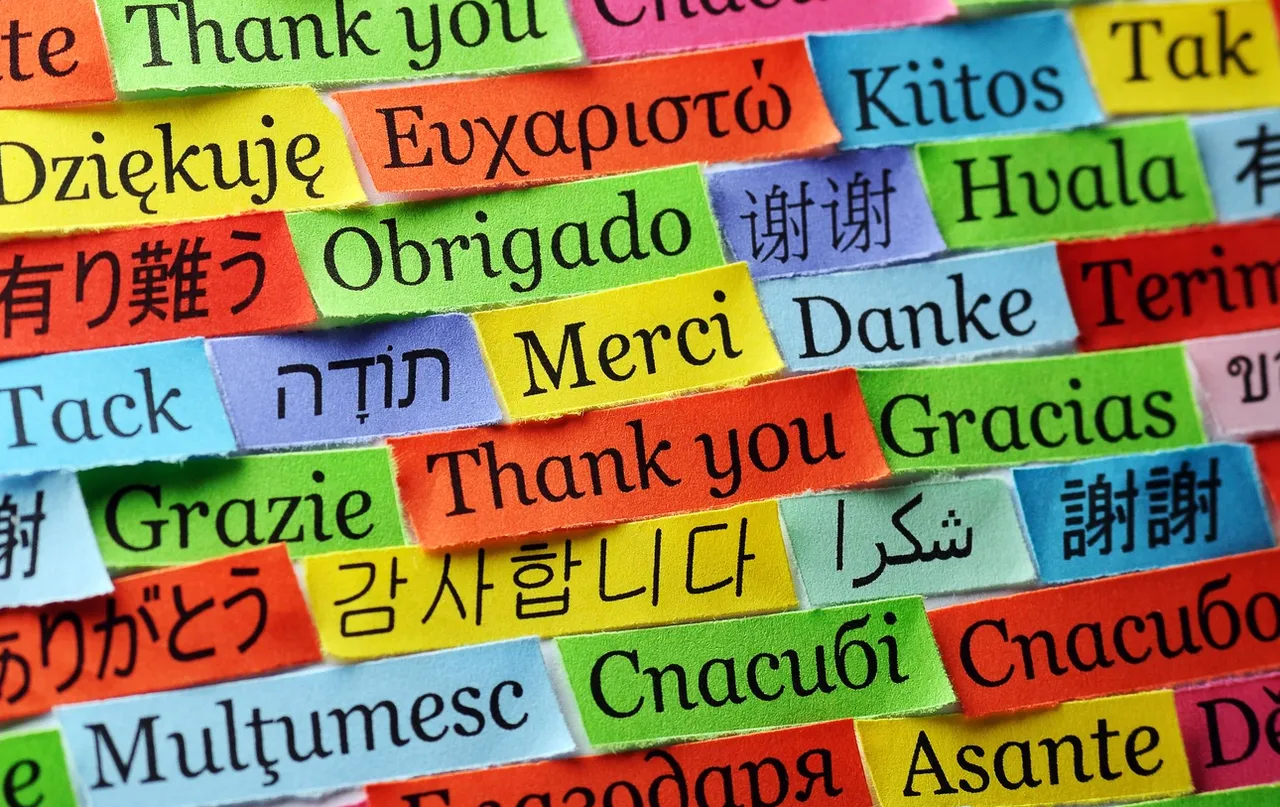
Intercultural Communication Strategies and Training
Intercultural Communication Strategies and Training Intercultural communication is all about sharing information between people or groups who come from different cultures. It’s about understanding and sending messages in a way that works across different cultural contexts. To do this well, you need to have a good understanding of cultural differences, how people communicate, and what’s considered normal in each culture. What is Intercultural Communication? Understanding intercultural communication involves recognising the complexities of interacting with people from different cultural backgrounds. It requires developing intercultural communication skills to navigate through linguistic, behavioral, and perceptual differences. Challenges in intercultural communication may arise from differences in language, non-verbal cues, and societal norms. There are numerous benefits of effective intercultural communication. It can lead to improved relationships, enhanced creativity and problem-solving, and a more inclusive and diverse work environment. Effective intercultural communication can break down barriers, foster cooperation, and create opportunities for mutual understanding and growth. Why is Cross-Cultural Communication Important? Cross-cultural communication is crucial for the globalised workplace. The impact of cross-cultural communication in the workplace cannot be understated. It influences teamwork, decision-making, conflict resolution, and overall productivity. Communication strategies for the global workforce involve developing a deep understanding of diverse cultural nuances, active listening, and adaptability. Developing intercultural communication skills is vital for fostering inclusive and respectful communication. It involves acknowledging and valuing different communication styles, adapting to various cultural norms, and being open to different perspectives. Misunderstandings in intercultural communication can be mitigated by promoting an environment of inclusivity, where differences are celebrated and leveraged for collective success. How does Communication Training Help in Intercultural Settings? Communication training plays a pivotal role in enhancing intercultural communication skills. It focuses on developing effective communication skills in different cultures, understanding cultural communication etiquette, and inclusivity. Overcoming misunderstandings in intercultural communication requires a deep understanding of cultural identities and effective strategies for bridging communication gaps. Cultural communication etiquette and inclusivity are critical components of cross-cultural communication. Effective communication training helps individuals recognize and respect different cultural backgrounds, thereby contributing to more harmonious interactions and enhanced collaboration in diverse settings. What are the Key Components of Intercultural Communication Training? Intercultural communication training involves understanding cultural differences and backgrounds, effective strategies for inclusive communication, and the impact of etiquette in cross-cultural communication. It aims to enhance intercultural competence by promoting an understanding of different cultural contexts, fostering effective cross-cultural communication, and building cultural intelligence. The impact of etiquette in cross-cultural communication cannot be overlooked. It shapes how individuals perceive and interact with one another, and it greatly influences the success of intercultural exchanges. By incorporating these key components into training programs, individuals and organizations can improve intercultural communication skills and strengthen relationships across diverse cultural backgrounds. How Can Intercultural Communication Training Benefit Global Businesses? Intercultural communication training benefits global businesses by enhancing cross-cultural collaboration, building effective intercultural communication in the workplace, and recognizing the importance of intercultural communication in a globalized world. It equips employees with the necessary tools to navigate through diverse cultural settings, cultivate strong relationships with clients and partners from different cultures, and drive business success in a globalized marketplace. Given the interconnected nature of today’s global economy, intercultural communication has become increasingly essential. Organisations that prioritise intercultural communication training foster an environment of understanding, respect, and collaboration, which are crucial for adapting to the ever-evolving global business landscape.

Resources for Intercultural Competence Building
Resources for Intercultural Competence Building What is Intercultural Competence? Intercultural competence is the ability to develop intercultural competencies, which includes skills and attitudes that enable individuals to interact effectively and appropriately with people from different cultural backgrounds. It involves understanding and valuing cultural differences, fostering inclusive practices, and building intercultural communication competence. Defining Intercultural Competence Intercultural competence, also known as cross-cultural competence, refers to the capability to effectively operate in various cultural contexts. It encompasses the understanding, appreciation, and respectful interactions with individuals from diverse cultural backgrounds. Why is Intercultural Competence Important? Intercultural competence is vitally important in today’s multicultural world as it promotes mutual understanding, respect, and collaboration across cultures. It helps in minimizing misunderstandings, conflicts, and communication barriers, thus fostering harmonious relationships and effective cooperation. Benefits of Building Intercultural Competence The benefits of developing intercultural competence are manifold. It enhances an individual’s ability to adapt and work effectively in multicultural environments, promotes open-mindedness, and fosters personal and professional growth. Additionally, it leads to improved cross-cultural communication and collaboration within diverse teams and organizations. How to Develop Intercultural Competence Developing intercultural competence involves a concerted effort to enhance one’s intercultural competencies through specific strategies, training programs, and by addressing the challenges encountered in multicultural settings. Strategies for Developing Intercultural Competence Effective strategies for developing intercultural competence include:- Challenges in Developing Intercultural Competence Challenges in developing intercultural competence may arise from differences in communication styles, cultural norms, and worldviews. Recognizing and addressing these challenges is crucial for effective cultural learning and adaptation. Communication styles vary widely across cultures, with some being more direct and explicit, while others are more indirect and implicit. This can lead to misunderstandings and confusion when interacting with individuals from different cultural backgrounds. For example, someone from a culture that values direct communication may perceive someone from a more indirect culture as being unclear or evasive, while the latter may view the former as rude or confrontational. Cultural norms, such as appropriate body language, personal space, and social etiquette, can also pose challenges for individuals trying to navigate a new cultural environment. What is considered polite and respectful in one culture may be perceived as rude or inappropriate in another. For instance, in some cultures, maintaining eye contact is a sign of attentiveness and respect, while in others, it may be seen as confrontational or disrespectful. Worldviews, or the fundamental beliefs and values that shape how individuals perceive and interpret the world around them, can be significantly different across cultures. This can lead to misunderstandings and misinterpretations of behavior, as individuals may attribute motivations and intentions based on their own cultural lens. For example, the concept of time may be viewed very differently across cultures, with some placing a high value on punctuality and efficiency, while others prioritize a more relaxed and flexible approach to time management. Addressing these challenges requires a willingness to learn and adapt, as well as a commitment to developing empathy and understanding for different cultural perspectives. This may involve actively seeking out opportunities for cross-cultural communication and collaboration, as well as engaging in ongoing self-reflection and education to develop a more nuanced understanding of intercultural dynamics. Additionally, seeking out mentors or resources to provide guidance and support in navigating these challenges can also be beneficial. Ultimately, developing intercultural competence requires an open-minded and humble approach, as well as a willingness to embrace and learn from the richness of diversity. Training Programs for Intercultural Competence Organizations can provide training programs tailored to enhance intercultural competence among their members, employees, or students. These programs often include workshops, seminars, and activities designed to promote intercultural understanding, effective communication, and the development of essential intercultural competencies. Intercultural Communication Competence Intercultural communication competence is a key aspect of intercultural competence, focusing on improving communication skills in multicultural settings and addressing barriers to effective intercultural communication. Improving Intercultural Communication Skills Improving intercultural communication skills involves developing the ability to convey messages effectively across cultures, actively listening to and understanding diverse perspectives, and adapting communication styles to ensure clarity and mutual understanding. Barriers to Effective Intercultural Communication Barriers to effective intercultural communication can include language differences, non-verbal communication cues, and cultural misunderstandings. These barriers can impede effective communication and understanding in multicultural environments. Strategies for Overcoming Intercultural Communication Challenges To overcome intercultural communication challenges, individuals can engage in cultural sensitivity training, develop awareness of cultural differences, and practice effective cross-cultural communication in their interactions. By doing so, they can foster more meaningful and productive communication across cultures. Building Intercultural Competence in Culturally Diverse Environments Fostering intercultural competence in culturally diverse environments requires inclusive practices, team-building strategies, and a commitment to embracing and valuing cultural diversity. Inclusive Practices in Culturally Diverse Settings Inclusive practices in culturally diverse settings involve creating environments that recognize and respect cultural differences, promote equal participation, and actively address any biases or inequalities that may exist within the diverse community. Fostering Intercultural Competence in Small Groups In small group settings, it is essential to promote open dialogue, encourage the sharing of diverse perspectives, and create opportunities for collaborative learning and understanding within the group. Team-Building Strategies for Cultural Diversity Building intercultural competence within teams involves fostering a sense of belonging and mutual respect, developing a shared understanding of cultural differences, and engaging in team-building activities that promote cross-cultural collaboration and cooperation. The Value of Intercultural Competence Across Cultures Recognizing the value of intercultural competence across cultures is integral to promoting understanding, respect, and collaboration within diverse communities, organizations, and societies. Cultural Differences and Intercultural Competence Understanding and embracing cultural differences is essential for building intercultural competence and promoting positive interactions across cultures. It involves recognizing and respecting diverse cultural norms, beliefs, and practices. Benefits of Embracing Cultural Diversity Embracing cultural diversity brings numerous benefits, including enriched perspectives, creativity, and innovation obtained through the integration of various cultural experiences, knowledge, and skills. Deardorff’s Model of Intercultural Competence Deardorff’s model of intercultural competence provides a framework for understanding and developing intercultural competence, emphasizing the importance of

What is Intercultural Leadership and Why it Matters?
By Indira Bunic – LIC Board Member What is Intercultural Leadership, and Why it Matters? I’ve witnessed a shift in leadership dynamics during my leadership journey spanning over three decades and encompassing different domains. The rise of the importance of Intercultural Leadership stands as an example of this change. In today’s interconnected business environment, comprehending and embracing the concept of Intercultural Leadership has become vital. What is Intercultural Leadership? Intercultural Leadership can be defined as the art of harmonizing perspectives to inspire and guide a collective endeavor toward shared objectives. It involves an interplay of empathy, respect, understanding, and adaptability, where variances are acknowledged and celebrated as sources of strength and innovation. This leadership style flourishes on the understanding that true unity doesn’t mean distinctions; instead, it involves weaving them together into a richer tapestry of collaboration. Intercultural Leaders serve as architects who build bridges by connecting hearts and minds across the globe, crafting a future where every voice contributes to the symphony of progress. The Importance of Intercultural Leadership The significance lies in how Intercultural Leadership can transform diversity from being viewed as a challenge into an asset. In a world teeming with tapestries, navigating through them and fostering unity is essential for cultivating innovation, resilience, and mutual understanding. Intercultural Leaders play a role in driving change, breaking down barriers, and fostering dialogue and collaboration. Their genuine nature, credibility, progressive mindset, visionary thinking, and ability to empathize create environments where diverse talents can flourish and thrive and contribute to progress. Intercultural Leadership is a human compass toward a more inclusive, creative, and harmonious future. The Impact of Intercultural Leadership on Organizational Success The impact of Intercultural Leadership on success is profound and transformative. In today’s marketplace mosaic, Intercultural Leadership is the cornerstone that unlocks the spectrum of creativity, innovation, and efficiency offered by diversity. It cultivates an environment where every cultural perspective is valued, creating a pool of ideas, solutions, and approaches. This leadership style enhances adaptability by allowing organizations to navigate the intricacies of challenges with agility and insight. Intercultural Leadership clears the path for increased collaboration and morale within teams. By fostering respect and understanding, it propels them towards achievements. Ultimately, it’s not about thriving in the arena; it’s about building resilient organizations that are inclusive and equipped to lead in shaping a better world. The Impact of a Lack of Intercultural Leadership In today’s interconnected world, not having leaders who can effectively navigate environments can have consequences for organizations. When there is no intercultural leadership, it often leads to breakdowns in communication, decreased team cohesion, and potential conflicts arising from misunderstandings. This lack of awareness and sensitivity can make employees from different backgrounds feel undervalued or misunderstood, resulting in reduced morale and engagement. Furthermore, organizations that lack intercultural leadership face challenges when operating in the global market and miss out on opportunities. They are likely to lose their most loyal and talented individuals. Also, establishing sustainable international and strategic partnerships becomes difficult for them. Moreover, the inability to appreciate and integrate different perspectives hampers innovation and creativity as it limits the range of ideas and potential solutions. Organizations that don’t prioritize intercultural leadership struggle to thrive and fail to see challenges as opportunities for growth. Challenges Faced in Practicing Intercultural Leadership Practicing intercultural leadership is a journey filled with challenges. It also offers experiences. One of the hurdles is overcoming ingrained cultural biases and stereotypes that can cloud judgment and hinder genuine understanding. Successfully navigating the balance between respecting the richness of differences and fostering a unified organizational culture requires nuanced sensitivity and adaptability. Furthermore, there can be obstacles in collaboration due to language barriers and the intricacies of nonverbal cues and social norms. Overcoming these challenges and building trust among groups requires time, patience, a genuine human connection, and a dedication to being prepared, minded, and vulnerable. However, despite the difficulties involved, striving for Intercultural Leadership demonstrates a belief in overcoming hurdles and transforming diversity into a source of innovation and growth. Intercultural Leadership in a Global Context In today’s interconnected world, navigating and leading across boundaries is more important than ever. Intercultural Leadership is an empowering approach that equips leaders with the understanding, mindfulness, adaptability, and empathy to guide diverse teams toward shared objectives. By embracing Intercultural Leadership principles, we unlock solutions, drive sustainable change, and foster a more harmonious global community. This goes beyond leadership in a world; it’s about shaping a future where our diversity becomes our greatest asset. Intercultural Leadership in the Era Ahead Intercultural Leadership champions the embrace of diversity as a force for innovation and unity. Leaders must mindfully and skillfully navigate the complexities of cultures, transforming differences and disagreements into empowering strengths. This requires true listening, understanding, sensitivity, and thoughtful thinking about matters. Leaders must bridge gaps and foster inclusive environments that enhance creativity and productivity. Intercultural Leaders permanently enhance their skills. They contribute to an equitable and collaborative global community by embracing continuous learning and valuing diverse perspectives. Intercultural Leadership in the future is about leading with mindfulness and recognizing that diversity is the key to unlocking a united world. Trustworthy Intercultural Leadership with Tolerance, Empathy and Bias-Free In an interconnected and globalized world, Intercultural Leadership has become a force driving growth and success within organizations. As businesses expand across borders and workforces and become more diverse, leaders’ ability to navigate complexities has never been more critical. Building trust, respect, tolerance, and empathy without bias lies at the core of Intercultural leadership. Intercultural Leaders establish trust through actions that demonstrate integrity, consistency, and transparency. Tolerance plays a role as these leaders create workplaces by discouraging discriminatory practices or biases. Empathy without bias is crucial for leaders to connect effectively with individuals from different backgrounds and truly comprehend their perspectives and experiences. The significance of Intercultural Leadership goes beyond managing diversity; it involves leveraging diversity to propel growth and achieve success. Leaders who excel in building trust, fostering tolerance, and displaying empathy can unite their teams around objectives while also appreciating and valuing

Beyond Skin Deep: Why diversity and inclusion in the workplace?
Beyond Skin Deep: Why diversity and inclusion in the workplace? By Liu Liu – LIC Board Member 07/02/2024 While celebrating and promoting diversity at all levels is crucial, it’s essential to remember that diversity manifests in many ways beyond readily visible characteristics like nationality, ethnicity, or skin color. Focusing solely on these broad brushstrokes can create blind spots when it comes to appreciating the intricate tapestry of cultural nuances within seemingly homogenous groups. True inclusivity delves deeper, recognizing the intricate tapestry of experiences within seemingly homogenous groups. This multi-cultural, cross-cultural, and intercultural approach unlocks a treasure trove of benefits, enriching both your workplace and your customer relationships. Unveiling the Blind Spots A study by McKinsey & Company found that companies with the most ethnically diverse executive teams were 33% more likely to outperform their peers on profitability. However, simply having diversity isn’t enough. A Harvard Business Review study revealed that companies with inclusive cultures, where diverse employees feel valued and heard, saw a 17% increase in employee performance and a 12% boost in profitability compared to those with less inclusive cultures. This highlights the importance of going beyond just hiring diverse individuals and actively fostering an environment where they can thrive. Imagine a workplace where individuals are valued for their unique experiences, not just their visible characteristics. This goes beyond simply including someone from a different country; it’s about recognizing the diverse perspectives within, say, your own region. A socioeconomic background vastly different from the majority can bring fresh insights, just as diverse gender identities or religious beliefs can spark innovation. Ignoring these intra-group nuances creates blind spots, hindering your ability to harness the full potential of your workforce. Building Bridges, Boosting Satisfaction 83% of global consumers said they would be more likely to do business with a company committed to diversity and inclusion according to Accenture. Additionally, a study by Boston Consulting Group found that companies with inclusive marketing campaigns saw a 30% increase in brand loyalty. These studies demonstrate the clear link between D&I efforts and improved customer satisfaction and loyalty. The benefits extend far beyond your internal walls. A team attuned to cultural nuances can foster deeper connections with customers from all walks of life. They can anticipate needs, personalize interactions, and create marketing that resonates on a deeper level. This builds trust, loyalty, and ultimately, customer satisfaction. Imagine a clothing line designed by a team that understands the diverse needs of its global audience, or a customer service team where every representative can relate to and address the concerns of their callers, regardless of their background. Innovation Blooms, Profits Blossom Deloitte found that companies with inclusive teams were 85% more likely to launch successful new products and services. Additionally, a study by EY revealed that companies with diverse workforces had a 21% higher return on equity compared to those with less diverse workforces. These findings showcase the power of diverse perspectives in driving innovation and financial success. Diversity isn’t just about being “nice”; it’s a strategic advantage. By embracing different perspectives, you unlock a wellspring of creativity and innovation. Diverse teams are better at problem-solving, developing products and services that cater to a wider audience, and identifying new market opportunities. This translates to a competitive edge, increased growth, and ultimately, a healthier bottom line. The Human Touch of Success In today’s world, customers increasingly value authenticity and inclusivity. By actively promoting D&I values, your brand resonates with a wider audience, attracts top talent, and builds trust. It’s not just about checking boxes; it’s about creating a genuine culture where everyone feels valued and heard. This positive brand image translates to customer loyalty, positive word-of-mouth, and a sustainable path to success. In a study by Glassdoor, 70% of job seekers said a diverse workforce is an important factor when considering a job offer. Additionally, a study by PWC found that employees who feel valued and respected for their unique identities are 27% more likely to stay with their employers. These studies highlight the role of D&I in attracting and retaining top talent, ultimately contributing to organizational success. This is why taking a multi-cultural, cross-cultural, and intercultural approach to diversity and inclusion is vital 1. Recognizing Intra-group Diversity: ● People from the same region, continent, or even family can have vastly different cultural experiences and perspectives shaped by diverse factors like socioeconomic background, religion, gender identity, sexual orientation, or even specific communities within their region. ● Ignoring these intra-group differences can lead to assumptions, stereotypes, and missed opportunities to benefit from the richness of diverse individual experiences and viewpoints. 2. Fostering Deeper Understanding: ● By exploring cultural nuances within seemingly homogenous groups, we develop a richer understanding of how different individuals navigate the world. ● This fosters empathy, collaboration, and more effective communication, leading to a more inclusive and respectful work environment. 3. Avoiding Tokenism: ● Focusing solely on visible diversity markers can lead to tokenism, where individuals are included symbolically without truly valuing their unique contributions. ● Recognizing intra-group diversity ensures that inclusion goes beyond representation and fosters genuine participation and appreciation of all individuals. 4. Innovation and Problem-solving: ● Diverse perspectives, even within seemingly similar groups, can lead to more creative and effective solutions. ● By encouraging open dialogue and valuing all voices, organizations can leverage the collective intelligence of their workforce to its full potential. 5. Building Stronger Teams: ● When individuals feel valued and understood for who they are, regardless of their specific cultural background, they are more likely to be engaged, motivated, and contribute their best work. ● This fosters stronger team dynamics, improved collaboration, and ultimately, a more successful organization. 6. Improved Customer Understanding: ● A diverse workforce with its multifaceted cultural understanding can better relate to and connect with a wider customer base. They can anticipate and address the needs of customers from different backgrounds, leading to more personalized and relevant interactions. This fosters trust and builds stronger relationships. 7. Enhanced Market Reach: ● By understanding the nuances of various cultures, diverse

Crafting Inclusive Leadership for Building Diverse Teams
Crafting Inclusive Leadership for Building Diverse Teams Crafting inclusive leadership is paramount for organizations navigating today’s rapidly evolving business landscape. Inclusive leadership transcends mere acceptance and tolerance; it actively embraces and values diverse perspectives, experiences, and expertise within teams. By fostering inclusive leadership, organizations can cultivate a sense of belonging and empowerment among team members, leading to heightened creativity, innovation, and overall performance. Understanding Inclusive Leadership: A Catalyst for Diversity and Inclusion Inclusive leadership is more than a buzzword; it’s a cornerstone of organizational success in the 21st century. Leaders who champion inclusivity create environments where every team member feels respected, valued, and empowered. This not only enhances employee morale and retention but also drives better business outcomes through diverse perspectives and collaborative problem-solving. The Impact of Inclusive Leadership on Diverse Teams Inclusive leadership sets the stage for diverse teams to thrive. When leaders prioritize inclusivity, they create environments where team members feel safe to express their views, collaborate effectively, and contribute meaningfully. This leads to enhanced creativity, innovation, and decision-making, giving organizations a competitive edge in today’s global marketplace. Strategies for Cultivating Inclusive Leadership Building an inclusive leadership team requires deliberate effort and commitment. Organizations can foster inclusive leadership by promoting a culture of openness, respect, and empathy, where diverse perspectives are actively sought and valued. Leadership development programs play a crucial role in nurturing inclusive leadership skills and imparting cultural competence. Integrating Inclusive Leadership into Organizational Culture Inclusive leadership is not just a box to tick; it’s a fundamental part of organizational culture. By integrating inclusive leadership into leadership coaching and development, organizations can ensure that inclusive practices become ingrained in their DNA. Creating an inclusive organizational culture is key to fostering diverse and empowered teams where every member feels valued and respected. Recognizing and Valuing Contributions Recognizing and valuing contributions from all team members is essential for fostering inclusivity. Organizations can implement mechanisms to acknowledge diverse perspectives and accomplishments, creating a culture where every individual feels valued and empowered to contribute meaningfully. This not only boosts morale but also enhances collaboration and innovation. Empowering Underrepresented Groups Inclusive leaders proactively empower underrepresented groups, creating environments where everyone has an equal opportunity to succeed. By providing support, mentorship, and opportunities for growth, organizations can tap into the full potential of their diverse talent pool and drive positive change within the organization. Embracing Inclusive Leadership for Organizational Excellence Inclusive leadership is the cornerstone of building diverse and empowered teams. By prioritizing inclusivity at every level of the organization, organizations can create environments where diversity thrives, innovation flourishes, and everyone has the opportunity to succeed. Inclusive leadership isn’t just a goal; it’s a journey—one that organizations must embark on to achieve true excellence in today’s interconnected world. Become an Inclusive Leader by Developing Traits of Inclusive Leadership As our society continues to evolve, the significance of inclusive leadership has become increasingly apparent. Inclusive leadership is not only about recognizing and accepting differences but also about leveraging them to foster a positive and supportive work environment. This article aims to explore the meaning of inclusive leadership, why its traits are important, how to develop them, and the benefits of thriving in a diverse new world. What Does It Mean to be an Inclusive Leader? Understanding Inclusive Leadership An inclusive leader is someone who possesses the ability to connect with diverse individuals, respect their unique perspectives, and create an environment where everyone feels included. Inclusive leadership goes beyond embracing diversity – it involves actively empowering and supporting all team members. Key Traits of Inclusive Leaders Inclusive leaders understand the value of diversity and actively foster an environment where every individual feels respected and valued. Highly inclusive leaders hold the keys to building and leading diverse teams effectively, thus driving innovation and success within their organizations. Empowering Inclusive Teams By promoting inclusivity, leaders are able to create an environment where every member feels empowered to contribute their unique perspectives, ultimately resulting in more innovative and effective solutions. Why are Traits of Inclusive Leadership Important? Embracing Diversity and Inclusion The traits of inclusive leadership are crucial for cultivating a workplace culture that embraces diversity and inclusion. By celebrating differences and fostering a sense of belonging, organizations can tap into the full potential of their diverse workforce. Addressing Bias in Leadership One of the most significant challenges in becoming a more inclusive leader is addressing and eliminating bias in leadership decisions. Overcoming unconscious biases is essential to creating a fair and inclusive workplace environment. Building a Diverse Workforce Organizational success in today’s global marketplace hinges on the ability to attract and retain diverse talent. Inclusive leaders help organizations build diverse teams that bring a wide range of perspectives and ideas to the table, leading to enhanced creativity and problem-solving. How to Develop Traits of Inclusive Leadership? Enhancing Self-Awareness An essential aspect of developing inclusive leadership traits involves enhancing self-awareness. Leaders need to understand their own biases and preconceptions to effectively champion inclusivity within their teams. Empowering Decision-Making Empowering decision-making involves creating an environment where diverse perspectives are not only heard but also integrated into the decision-making process. Inclusive leaders empower their teams to voice their opinions and contribute to the decision-making process, fostering a sense of belonging and value. Overcoming Blind Spots Inclusive leadership requires a commitment to recognizing and addressing blind spots. By challenging the status quo and actively seeking diverse viewpoints, leaders can overcome blind spots and make more informed and inclusive decisions. Thriving in a Diverse New World Adapting to an Increasingly Diverse Workforce As the workforce becomes increasingly diverse, leaders must adapt and embrace this change. Thriving in a diverse new world requires inclusive leadership capability to effectively engage and collaborate with individuals from varied backgrounds. Cultivating Inclusive Leadership Capability Organizations that cultivate inclusive leadership capability empower their leaders to embrace and capitalize on diversity. This not only fosters a more inclusive workplace but also drives innovation and better decision-making. Helping Leaders Build Inclusive Teams Developing inclusive leadership traits also involves helping

Digital Nomads and their Impact on Culture
Digital Nomads and their Impact on Culture By Sekayi M – LIC Board Member Digital nomads are a diverse cohort of remote workers, freelancers, and self-employed professionals, who leverage technology to work from any location. They travel across their own country or explore foreign shores and the web is their vital connection, facilitating access to family, job opportunities, colleagues, and clients. Their stints in remote work may range from shorter intervals to longer durations. In 2018, the number of digital nomads stood at approximately 4.8 million, soaring to an astonishing 35 million in 2023, primarily fueled by increased remote working during the pandemic. Amongst them, roughly half are from the United States followed with a mix from the UK, Russia, Canada, and Germany. The demographic breakdown reveals that 47% of digital nomads are in their 30s, followed by those in their 40s and 50s. In terms of gender distribution, 58% are men, while 41% are women, with a slight majority, 54%, being married or cohabiting with a long-term partner. In terms of educational attainment, 54% hold a Bachelor’s degree, while 34% have attained a Master’s degree, and a mere 3% possess a PhD. The majority, comprising of 60%, opt to work from home, while 15% prefer the ambiance of co-working spaces. Financially, digital nomads typically earn an average annual income ranging between $50,000 to $250,000 with software developers making up the majority in terms of profession followed by startup founders and marketers. Interestingly, 54% of digital nomads identify as non-religious, showcasing the diversity within this dynamic and growing community. The primary drivers for embracing this lifestyle are the freedom it offers in terms of work, schedule, and location flexibility. Following closely behind are the financial benefits derived from this mode of living in predominantly lower cost regions. Preferred destinations for digital nomads include: Thailand, Portugal, Spain, Mexico, Costa Rica, and Vietnam with London being the most visited city by digital nomads. These locations not only offer a conducive environment for remote work but also boast a rich diversity of cultural experiences and amenities that cater to the nomadic lifestyle. 57% opt to stay in one country for up to 30 days, embracing a sense of constant movement and exploration. Another 27% extend their stays slightly for up to 90 days immersing themselves more deeply in the local culture and rhythm of life. Interestingly, only 13% choose to remain in a single country for longer durations. Despite the allure of the nomadic lifestyle, it presents its fair share of challenges. These include navigating immigration and travel logistics, ensuring reliable technology infrastructure, prioritizing safety, coping with time zone differences, and maintaining a healthy work-life balance. In response to the growing global demand for nomadic lifestyles, many countries, particularly in Europe, have introduced digital nomad visas. However, the varying requirements for paperwork, length of stay, and minimum earnings across different countries contribute to the low percentage of digital nomads staying longer than 30 days, which is typically the standard time allocation for tourists. Enhanced clarity and more consistent visa requirements could potentially encourage longer stays and bolster digital nomads’ contributions to the economies of host countries. Additionally, digital nomads struggle with managing their belongings and properties in their home countries while they are away, adding another layer of complexity to their travel logistics. Finding solutions to these logistical challenges could further facilitate the nomadic lifestyle and enhance its appeal to remote workers worldwide. For digital nomads, reliable Wi-Fi and network speeds are paramount as they heavily rely on these resources. Countries offering robust technology infrastructure are highly favored, particularly as new technology platforms continue to emerge, giving rise to more lifestyle careers. Safety is a significant concern for digital nomads, including: personal, technological, and property security. They must also stay informed about the political climates of the countries they visit and be aware of the support available from their home embassies in case of emergencies. Financial disparities in certain regions frequented by nomads can make them targets for various crimes, including cybercrime. While insurance is often mandated in many countries to cover potential losses, some losses are irreplaceable. Managing projects with colleagues, clients, and customers across different time zones poses challenges for digital nomads, often leading to fatigue and straining their work-life balance. In today’s hyper-connected world, where instant responses are expected, days can extend beyond reasonable working hours, further complicating the balance between work and personal life for nomads. While digital nomads undeniably contribute to local economies, a significant challenge lies in the impact of their constant circulation on local environments. This includes heightened financial pressures, disruptions to local customs, and language barriers. The influx of foreign visitors and digital nomads often leads to increased demand for rental properties and basic necessities, causing prices to surge. This, in turn, can render previously affordable living arrangements inaccessible to local residents, forcing them away from their traditional communities. Consequently, there’s a risk of cultural displacement as local customs, languages, and cuisines are overshadowed or altered to cater to the preferences of visitors. For instance, in destinations like Medellin, Colombia, where the average salary is modest, skyrocketing rents have strained the local populace, with once-affordable accommodations becoming unattainable. Similar scenarios unfold in places like Mexico, where previously reasonable rent prices have soared beyond the means of local residents. Such economic disparities can fuel resentment among locals towards the growing presence of digital nomads and other visitors. Finding a balance that benefits both nomads and local communities is essential to ensure sustainable growth and cultural preservation. Having explored digital nomads and the myriad challenges they face in embracing this burgeoning lifestyle, it’s clear that the trend is poised for further expansion. Notably, the demographic of digital nomads is expected to diversify, with women increasingly participating in this mobile lifestyle. Moreover, as the phenomenon gains momentum, additional destinations are anticipated to become more accommodating to digital nomads. Countries such as Croatia, Chile, South Africa, and the United Arab Emirates are positioning themselves to attract and support this growing community, offering

How Intercultural Leadership Effectiveness Works
Leadership and Growth – How Intercultural Leadership Effectiveness Works and Why it Matters? By Indira Bunic – LIC Board Member Embarking on a leadership journey spanning three rich decades, I’ve witnessed firsthand the seismic shifts in global business landscapes. Among these transformations, the rise of intercultural effectiveness as a pivotal aspect of leadership and growth stands out. This article delves into the essence of intercultural effectiveness—its profound importance, the challenges it presents, and its undeniable impact on leadership across diverse cultural frontiers. Unveiling Intercultural Leadership Effectiveness Intercultural effectiveness is the art and science of navigating the complex web of global cultures, traditions, and communication styles to foster understanding, cooperation, and growth. It’s about bridging gaps, building bridges, and crafting a leadership approach that transcends geographical and cultural boundaries. In today’s globalized world, where businesses operate across continents and cultures, understanding how to be interculturally effective is not just beneficial; it’s imperative. The Heart of Intercultural Leadership Effectiveness Why does intercultural effectiveness matter so profoundly in leadership? The answer lies in the very fabric of our interconnected world. Leaders who excel in intercultural settings harness the power of diversity to drive innovation, enhance team dynamics, and open new pathways for organizational growth. They create environments where diverse talents feel valued, understood, and engaged, leading to more prosperous, more creative solutions to global challenges. Navigating the Challenges of Intercultural Leadership Effectiveness However, the path to intercultural effectiveness is strewn with challenges. The journey requires patience, empathy, and a deep commitment to continuous learning, from overcoming language barriers and navigating cultural nuances to addressing unconscious biases and fostering inclusivity. It demands a willingness to step out of one’s comfort zone and embrace the unfamiliar with an open mind and heart. Delving deeper into the challenges of intercultural effectiveness reveals a landscape riddled with complexities that demand our attention and resolve as leaders. The journey towards mastering intercultural interactions is fraught with hurdles that test our patience, empathy, and adaptability. Understanding Beyond Language Firstly, language barriers, while visible obstacles, only scratch the surface. The real challenge lies in navigating the subtleties of non-verbal communication, which varies dramatically across cultures. Gestures, eye contact, and personal space—innocuous in one culture—can be profoundly misinterpreted in another. This nuance in communication demands a leader’s keen observation and sensitivity to avoid missteps and build genuine connections. Navigating Cultural Nuances Moreover, cultural nuances extend into values, beliefs, and workplace norms. Practices such as decision-making, expressing disagreement, and showing respect differ widely. A leader’s directive approach in one cultural context might be perceived as empowering, yet in another, it could be viewed as overbearing or disrespectful. These nuances challenge leaders to adapt their style while maintaining their authenticity and effectiveness constantly. Addressing Unconscious Biases Another significant challenge is the prevalence of unconscious biases. These profoundly ingrained prejudices can skew our perceptions and interactions, often without awareness. Overcoming these biases requires introspection, education, and a commitment to change. It involves creating spaces for open dialogue about biases and actively seeking diverse perspectives to enrich our understanding and decision-making processes. Fostering True Inclusivity The path to true inclusivity in a multicultural team is another intricate challenge. More is needed to unite diverse individuals; leaders must cultivate an environment where every voice is genuinely heard and valued equally. This requires dismantling hierarchical or cultural barriers that may prevent certain team members from fully participating. It calls for a leadership approach that is as inclusive in practice as in principle. Expert Insights on Overcoming Challenges in Intercultural Leadership Effectiveness Experts in the field, such as Erin Meyer, author of “The Culture Map,” provide invaluable insights into overcoming these challenges. Meyer emphasizes the importance of understanding where cultures fall on various scales—such as communicating, evaluating, and leading—to tailor approaches that resonate across cultural divides. Similarly, Kim Scott’s “Radical Candor” concept encourages leaders to care personally while challenging directly, a balance crucial in navigating intercultural sensitivities. Facing and overcoming challenges fosters a more inclusive and dynamic organizational culture and propels us to become more empathetic, adaptive, and visionary leaders. In the grand tapestry of global leadership, intercultural effectiveness is the thread that binds us, reminding us that our diversity is our strength and our understanding is our bridge. Strategies for Success in Intercultural Leadership Effectiveness Tackling challenges effectively requires a multifaceted strategy. Leaders can benefit from cultural competency training and mentorship programs pairing individuals from diverse backgrounds and implementing feedback mechanisms for continuous learning and adjustment. Embracing technology that facilitates better communication and understanding across teams can also play a pivotal role. Honing in on the strategies for achieving intercultural effectiveness illuminates a pathway for leaders eager to transform challenges into opportunities for growth and innovation. These strategies are not quick fixes but principles guiding thoughtful action and sustained effort. Embrace Cultural Learning A foundational strategy is committing to ongoing cultural learning and sensitivity training for yourself and your team. This involves more than just understanding cultural do’s and don’ts; it’s about gaining deep insights into the historical, social, and economic contexts that shape behaviors and attitudes. Encouraging team members to share their cultural backgrounds and perspectives can enrich this learning process, fostering a culture of mutual respect and curiosity. Leverage Cultural Intelligence Tools Cultural intelligence (CQ) tools and assessments can offer invaluable frameworks for understanding and navigating cultural differences. These tools help identify an individual’s or organization’s strengths and areas for growth in working across cultures. By leveraging CQ, leaders can develop targeted strategies to enhance their intercultural effectiveness, from improving communication to adapting leadership styles to fit diverse team dynamics. Implement Inclusive Communication Practices Effective communication is the bedrock of intercultural effectiveness. Leaders can adopt inclusive communication practices by ensuring all team members have equal opportunities to express their ideas and opinions. This might involve adjusting meeting structures to accommodate different time zones, using clear and simple language to avoid misunderstandings, and employing visual aids or translators when necessary. Encouraging active listening and empathy in all interactions further enhances mutual understanding. Cultivate Psychological Safety Creating an environment of psychological safety,

Are intercultural marriages successful?
Are intercultural marriages successful? Lessons from an Intercultural Marriage By Liu Liu – London Intercultural Centre Board Member As we approach our 25th anniversary in 2024, my wife Allison and I find ourselves reflecting on the journey that brought us together from opposite ends of the world. What started as a chance encounter at Yunnan University Language Centre, where I worked as a Foreign Affairs Secretary, blossomed into a love that defied borders, traditions, and expectations. The essence of our marital success can be encapsulated in the two lines I added to our wedding vows: “to understand and to respect.” These principles could be the bedrock of any lasting intercultural union. I come from Kunming, the vibrant capital of Yunnan Province in the southwest of China. My career at the Yunnan University Language Center laid the foundation for a life intertwined with individuals from over 100 countries. It was here that I met Allison, a spirited woman from England, with an English father and a German mother. Fate, as it seems, had an ironic sense of humor, given her mother’s joke about not bringing back a “China man.” Our wedding, a celebration of unity and diversity, echoed the fusion of our distinct backgrounds. We held a traditional Chinese ceremony in Kunming, with my best men being Turkish students from the Language Centre; followed by a Christian wedding in Chiang Mai, our home at the time. These two ceremonies symbolized our commitment not only to each other but also to understanding and respecting the cultures that shaped us. Embarking on our journey as a married couple, we decided to spend a year in Chiang Mai, Thailand. It was not merely a geographical change but a deliberate choice to establish our identity within a third culture, free from the dominance of our individual backgrounds and cultural expectations. Little did we know that this decision would become a cornerstone of our intercultural marriage. Over the years, I’ve come to observe distinct approaches within cross-country marriages: the multicultural, cross-cultural, and intercultural ways. Multicultural Marriages: Cultures Side by Side In multicultural marriages, couples maintain a degree of separation between their respective cultures. While they coexist harmoniously, there might be limited interaction or integration. Each partner preserves their cultural identity without a significant effort to blend or understand the other’s background. Cross-Cultural Marriages: Navigating the Currents of Change Cross-cultural marriages witness one partner embracing the culture of the other. It’s a dynamic where one spouse might adapt more to the customs, traditions, and values of their significant other. However, this adaptation might not always be reciprocated, potentially leading to challenges and imbalances within the relationship. Intercultural Marriages: Crafting a Tapestry of Shared Identity Intercultural marriages, like ours, stand out as a beacon of harmony and cooperation. Couples actively engage in learning about each other’s cultures and, importantly, embrace new cultures together. The intercultural approach involves co-creating a unique identity for the marriage—a fusion of traditions, values, and practices that bridge the gaps between their individual cultural backgrounds. While our story exemplifies the triumphs of intercultural marriage, numerous other couples have navigated the intricate paths of cultural unions. Priya and Jamal: Embracing Festivals from Two Worlds Priya, hailing from India, and Jamal, from Morocco, have seamlessly blended the vibrant traditions of Diwali with the solemn observance of Ramadan. What makes their multicultural marriage work is their commitment to celebrating each other’s festivals with equal enthusiasm. They have created a shared calendar that incorporates both Hindu and Islamic festivities, ensuring that their home is adorned with the colors and aromas of both cultures. Elena and Kenji: Culinary Fusion and Dance Harmony The marriage of Elena and Kenji, a Japanese-Greek couple, is a testament to the fusion of culinary delights and dance traditions. They have successfully integrated the art of sushi-making with traditional Greek dance, turning ordinary evenings into cultural feasts. Cooking together and engaging in dance not only deepen their connection but also serve as a bridge between their distinct heritages. Maria and Ahmed: Harmonizing Fiestas and Ancient Customs Maria, from Mexico, and Ahmed, from Egypt, have crafted a marriage that harmonizes the lively fiestas of Mexico with the ancient customs of Egypt. What sets their multicultural union apart is their ability to seamlessly integrate the colorful celebrations of Mexican culture with the rich historical tapestry of Egyptian traditions. They have created a home that reflects the beauty of both worlds. Are Intercultural Marriages Successful? The success of an intercultural marriage hinges on the commitment of the partners to navigate the complexities with an open heart and mind. The key lies in transforming differences into strengths, learning from each other, and celebrating the beauty that arises from cultural diversity. Ultimately, it is the journey of discovery and growth that defines the success of an intercultural marriage—a journey that my wife and I continue to cherish as we mark our 25th year of love, understanding, and shared cultural richness. Here are some key takeaways for navigating intercultural relationships: Open Communication: Effective communication is the cornerstone of any marriage, but it becomes paramount in intercultural unions. Partners should feel free to express their thoughts, feelings, and cultural perspectives openly. Embrace Differences: Rather than viewing differences as obstacles, intercultural couples see them as opportunities for growth. Embracing each other’s distinctiveness contributes to a richer, more fulfilling relationship. Continuous Learning: Cultivate a mindset of perpetual learning. Take an active interest in understanding and participating in each other’s cultures. Attend family gatherings, learn the language, and explore traditions together. Create Shared Traditions: While honoring individual cultural backgrounds, build new traditions that are unique to your partnership. This not only solidifies your bond but also establishes a shared identity within the marriage. Remember, love knows no borders, and intercultural marriages offer a path to a richer, more fulfilling life experience