
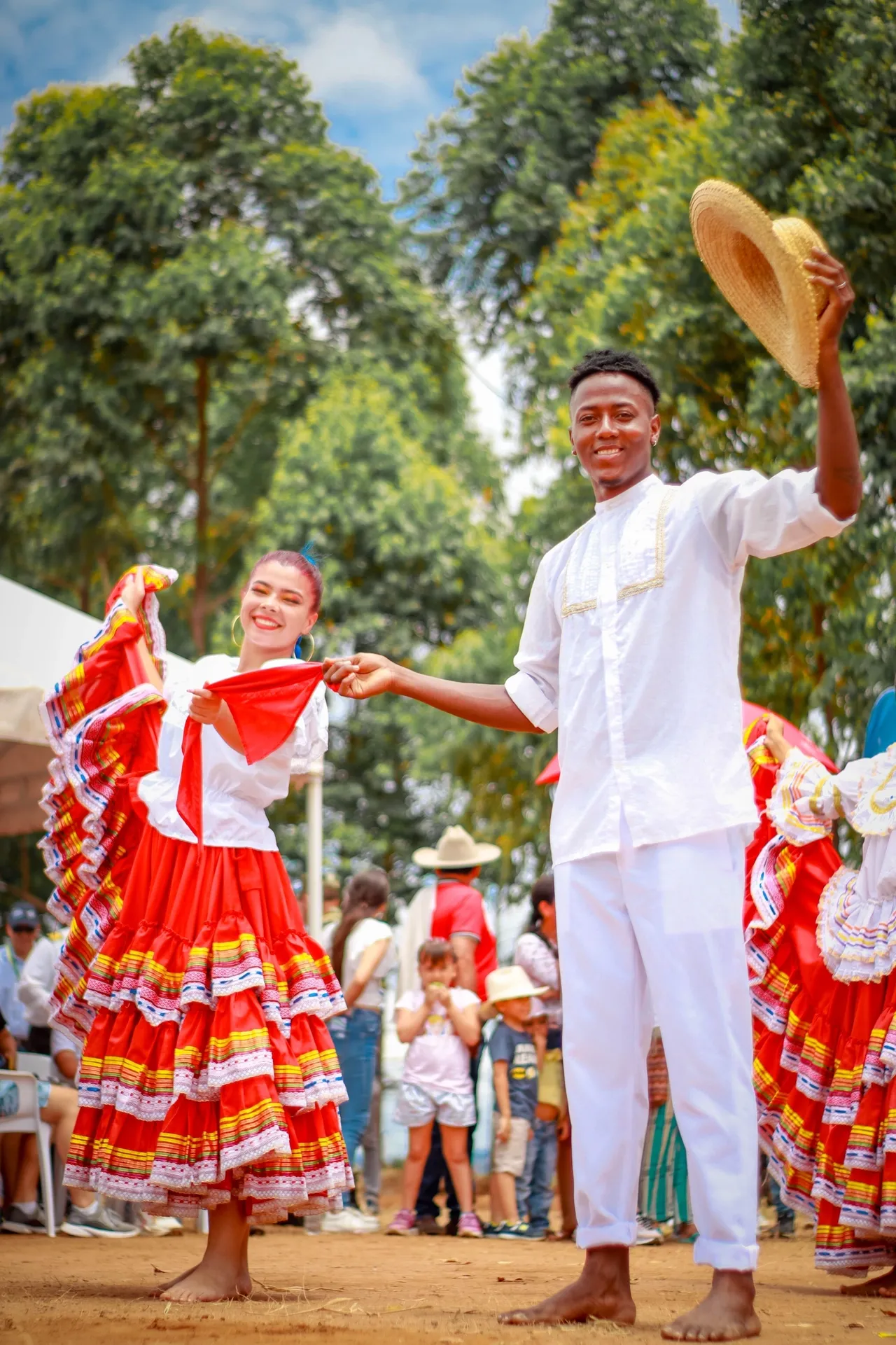
6 Secret Techniques to Improve Culture in Education Culture is the backbone of our societies and the foundation of our shared human experiences. As our world becomes more interconnected, intercultural understanding and communication are essential skills for navigating our diverse communities. Here are 6 Secret Techniques to Improve Culture in Education and elevate our students to a higher level of cultural intelligence Emphasize empathy and perspective-taking One of the key aspects of intercultural communication is the ability to see things from other people’s perspectives. Encouraging students to put themselves in others’ shoes and understand their perspectives can help build empathy and reduce misunderstandings. Empathy acts as the bridge in intercultural communication. It’s about stepping outside your own cultural bubble and trying to see the world through someone else’s eyes. Imagine a situation where a direct question from you might be considered rude in another culture. By practicing empathy, you can understand why that cultural background might find it disrespectful and adjust your communication style accordingly. This perspective-taking fosters better communication by allowing you to actively listen, ask open-ended questions, and be mindful of non-verbal cues that can hold different meanings across cultures. Promote intercultural exchange programs Intercultural exchange programs are a great way for students to learn about different cultures firsthand. Encourage students to participate in cultural events, exchange programs, and other opportunities to engage with people from diverse backgrounds. Don’t ditch the textbooks entirely, but trade them for real-life experiences! Intercultural exchange programs let students live with host families, attend local schools, and fully immerse themselves in another culture. This firsthand adventure fosters empathy, builds lifelong friendships with people from around the world, and boosts communication skills as you navigate a new language environment. Plus, you will gain valuable life skills like adaptability and intercultural understanding – all while having the adventure of a lifetime! Research programs that match your interests, and get ready to embark on a journey of self-discovery and global citizenship! Teach active listening skills Active listening is an important aspect of effective intercultural communication. Encourage students to pay close attention to what others are saying, to ask questions, and to reflect on what they’ve learned. Weaving active listening into your intercultural communication toolbox is key. It’s not just about hearing the words, but truly understanding the speaker’s message. Encourage students to be present in conversations by giving the speaker their full attention, both verbally and nonverbally. Asking open-ended questions shows genuine interest and clarifies understanding. Finally, reflecting on what they’ve learned helps solidify the information and fosters empathy by allowing them to see things from the other person’s perspective. Incorporate cultural diversity into the curriculum Incorporating cultural diversity into the curriculum can help students understand the richness and complexity of different cultures. This can be done through reading and discussion of culturally diverse texts, as well as through hands-on activities and projects. Imagine a classroom buzzing with diverse voices, each sharing a unique perspective. That’s the magic of fostering intercultural communication in your students! Here’s a recipe for success: Incorporate diverse texts into reading lists and spark discussions that explore different viewpoints. Hands-on activities and projects become even more engaging when they connect to various cultures. This fosters critical thinking, creativity, and a deeper understanding of the world’s rich tapestry. Encourage respect for diversity Respect for diversity is a key component of intercultural understanding and communication. Encourage students to be open-minded and non-judgmental towards people from different cultures and backgrounds. Here are some ways to encourage respect for diversity in the classroom, fostering intercultural understanding and communication: 1. Model Respectful Behavior: Foster cross-cultural friendships Cross-cultural friendships are a great way to build intercultural understanding and communication skills. Encourage students to form relationships with people from diverse backgrounds and to engage in cultural activities together. Friendship Builders: These 6 secret techniques can enhance culture in education and empower the next generation with the skills and knowledge necessary to navigate our diverse world. By cultivating empathy, championing intercultural exchange programs, mastering the art of active listening, integrating cultural diversity into the curriculum, encouraging respect for diversity, and nurturing cross-cultural friendships, we can equip students with the tools they need to thrive in an interconnected world.
Believing These 6 Myths About Culture Prevents Growth & Progress
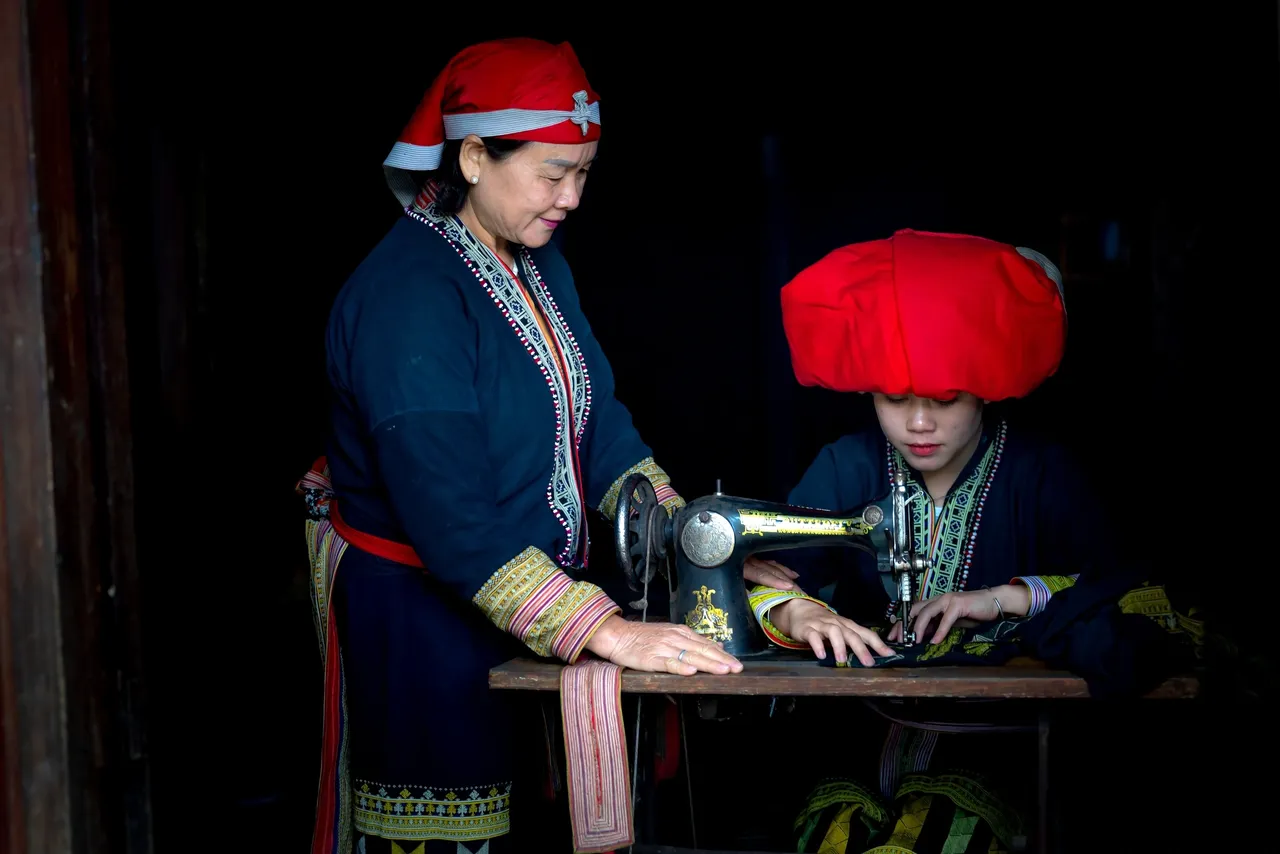
Believing These 6 Myths About Culture Prevents Growth & Progress Culture is an essential aspect of our lives and shapes the way we think, communicate, and interact with others. However, there are many misconceptions and myths surrounding culture that can prevent individuals from growing and understanding the complexities of intercultural communication. Here are six common myths about culture and why they are detrimental to growth and progress: 1. Culture is Static Many people believe that culture is a fixed entity that never changes. However, culture is dynamic and constantly evolving, shaped by historical events, economic developments, and other factors. Understanding that culture is fluid and ever-changing is essential for intercultural understanding and communication. Why it changes: Several factors drive cultural evolution, including: Why it matters: Understanding that cultures are fluid is key to effective intercultural communication. If you recognize a culture is constantly evolving, you’re less likely to make assumptions and more likely to be adaptable and open to new perspectives. 2. Culture is One-Dimensional Another common myth is that culture can be reduced to a single dimension, such as nationality or race. However, culture is multi-faceted and influenced by a wide range of factors, We at London Intercultural Center (LIC) represent cultures by focusing on these 12 factors.. 3. Culture is Determined by Biology Many people believe that culture is determined by biology, such as race or genetics. However, this is not the case. Culture is shaped by a range of social, economic, and historical factors, and cannot be reduced to biological determinants. Culture is learned, not inherited. Here is why: Examples: 4. Culture is Universal Some individuals believe that culture is universal and that there are shared experiences and values across all cultures. However, this is not true. Culture is deeply influenced by context, and what is considered acceptable or desirable in one culture may be completely different in another. Example: Understanding the Nuance: Analogy: Think of culture like a recipe: 5. Culture is Monolithic Another common myth is that culture is monolithic and that individuals within a given culture all think, act, and behave in the same way. However, this is not the case. Culture is diverse and complex, and individuals within a given culture can have a wide range of beliefs, values, and behaviors. Here’s why this myth is inaccurate: Examples: Why it Matters: Understanding that cultures are not monolithic helps us avoid stereotypes. It encourages us to see individuals as unique and to appreciate the richness of diversity within a single cultural group. 6. Culture is a Barrier to Communication Some people believe that culture is a barrier to communication, but this is not necessarily true. While cultural differences can present challenges, they can also be opportunities for growth and understanding. By recognizing and appreciating the complexities of culture, individuals can become more effective communicators and build bridges between different communities. By recognizing and challenging these common myths about culture, individuals can gain a deeper understanding of the complexities of intercultural communication and become more effective communicators in a diverse world. By embracing the fluidity and diversity of culture, we can foster greater empathy, respect, and understanding across communities.
Leveraging Cultural Diversity in Education for Global Competence
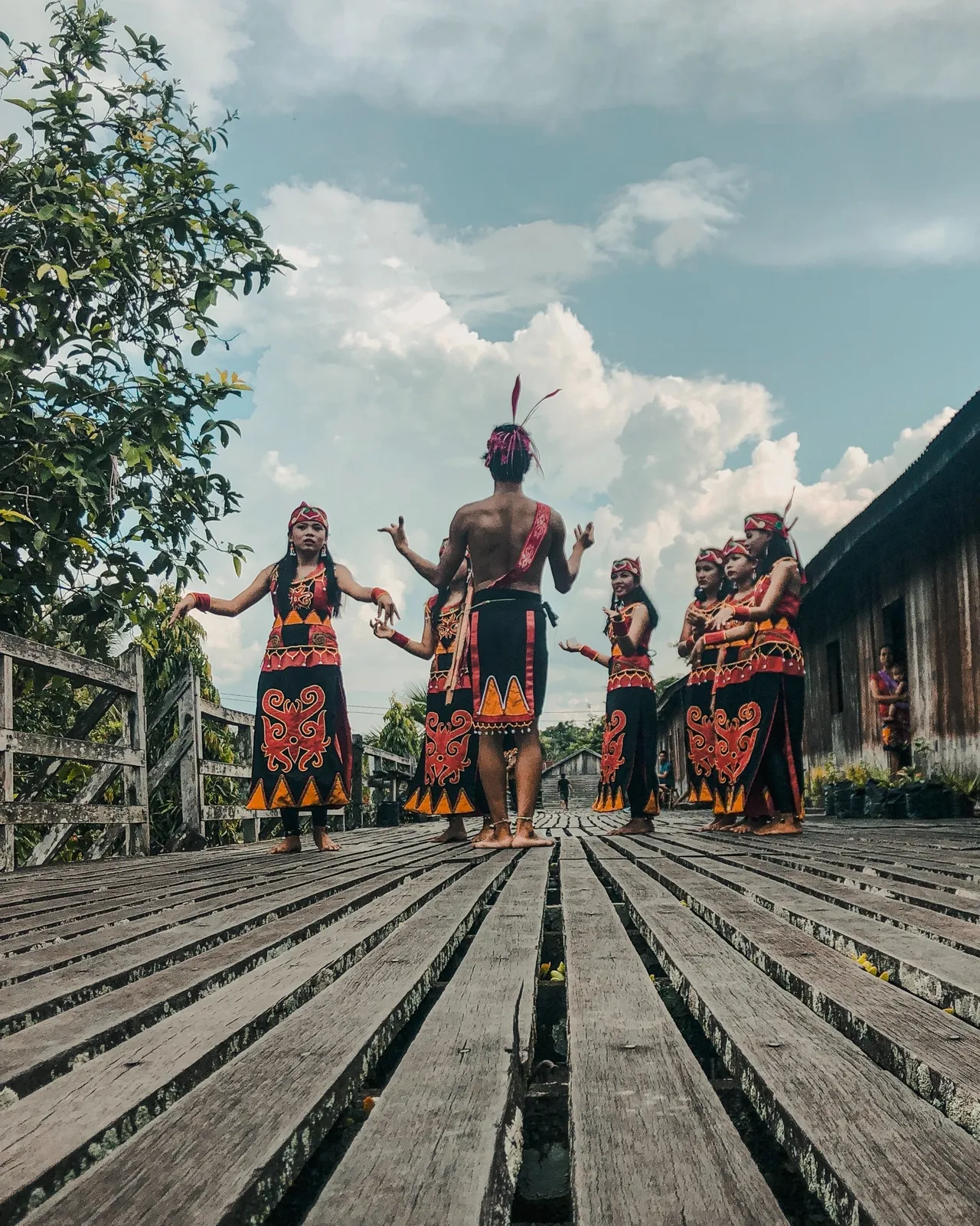
Leveraging Cultural Diversity in Education for Global Competence As the world becomes increasingly interconnected and culturally diverse, it is imperative for education systems to cultivate global competence and empathy in students. Cultural diversity brings with it a wealth of perspectives, experiences, and ways of thinking that can enhance the learning environment and foster intercultural understanding. To achieve this, educational institutions must embrace cultural diversity and incorporate it into the curriculum. This can be achieved through a number of strategies, including: Multi-cultural education This involves teaching students about different cultures, their history, beliefs, values, and traditions, and how they impact the world. This can be done through various forms of media, such as books, videos, and field trips, and can help students gain a deeper understanding of and appreciation for cultural diversity. Cross-cultural communication skills In a globally interconnected world, effective cross-cultural communication is essential. This can be achieved through language learning, intercultural exchange programs, and interactive classroom activities that encourage students to interact with others from different backgrounds. Here’s how the approaches mentioned can help: Encouraging cultural exchange Encouraging cultural exchange fosters understanding and appreciation for different ways of life. Here are some methods to encourage this exchange: Benefits of Cultural Exchange: Emphasizing cultural humility Cultural humility is the ongoing process of recognizing and respecting the unique perspectives and experiences of others, even if they differ from your own. It’s about approaching interactions with an open mind and a willingness to learn. We suggest these methods to cultivate cultural humility: Benefits of Cultural Humility: By leveraging cultural diversity in education, students can develop a deeper understanding of and appreciation for different cultures, as well as the skills and attitudes necessary to effectively communicate and collaborate across cultural boundaries. This not only prepares them for success in a rapidly globalizing world, but also fosters empathy, compassion, and respect for others, which are critical for building a more just and inclusive society.

The Essential Role of Immigrant Orientation Programs
The Essential Role of Immigrant Orientation Programs Have you ever dreamt of a fresh start, a chance to build a new life in a new place? Millions around the world take that leap of faith, leaving familiar faces and traditions behind in search of new opportunities. The UK, with its rich tapestry of cultures, welcomes many of these brave individuals each year. But starting over can be daunting, and that’s where The Essential Role of Immigrant Orientation Programs come in. Imagine stepping off a plane, filled with excitement and a touch of fear, into a completely new world. The language you know may not be spoken, the customs may be unfamiliar, and the sheer volume of information can be overwhelming. This is the reality for many newcomers, and orientation programs become a lifeline. These programs are more than just language classes and paperwork. They’re a warm embrace, a helping hand extended by the community, saying, “We see you, we welcome you, and we’re here to support you.” Building Bridges, Not Walls Think back to your first day at a new school or a new job. Remember the butterflies in your stomach, the struggle to find your way around, and the longing for a friendly face? Now imagine experiencing that feeling in a completely new environment, where even the most basic interactions can be a challenge. Immigrant orientation programs bridge this gap They provide essential resources like language classes, information about the local community and healthcare systems, and most importantly, a sense of belonging. Newcomers learn about local customs, connect with others from similar backgrounds, and gain the confidence to navigate their new surroundings. The Power of Shared Stories But the real magic of these programs lies in the human connections they foster. Imagine a room filled with individuals from all walks of life, each with their own unique story, hopes, and dreams. Through cultural exchange activities and mentorship programs, newcomers connect with native-born residents, sharing their experiences and learning from each other. These connections go beyond mere politeness. They build empathy, understanding, and respect for diverse cultures and perspectives. They break down stereotypes and create a sense of shared humanity, reminding us that despite our differences, we’re all part of the same community. Investing in Our Future Immigrant orientation programs are not just about helping newcomers; they’re an investment in the future of our society. By empowering newcomers to integrate and contribute their unique talents, we enrich our communities and unlock the full potential of our nation. Think of it like this: each newcomer brings with them a wealth of experience, skills, and perspectives. By providing them with the tools they need to thrive, we gain access to a wider pool of talent, fostering innovation and social progress. Beyond the Numbers While the economic benefits of immigration are undeniable, the true value lies in the human dimension. By welcoming newcomers with open arms and fostering intercultural understanding, we create a more vibrant, inclusive, and resilient society for everyone. Remember, every person has a story. As we welcome newcomers into our communities, we’re not just welcoming individuals; we’re welcoming a rich tapestry of experiences and perspectives that can help us all grow and learn. So let’s embrace the journey of new beginnings, hand in hand, and build a future where everyone feels welcome and valued. Ready to Get Involved? There are countless ways to show your support for immigrant communities and orientation programs. Here are a few ideas: Together, we can create a world where everyone feels welcome to write their own chapter, regardless of where their story began.

Cross cultural understanding and cultural communication
Cross cultural understanding and cultural communication Our world is a tapestry woven from diverse cultures, each with its unique threads of language, customs, and traditions. As we navigate this increasingly interconnected landscape, cultivating empathy and understanding through cross-cultural communication becomes more important than ever. Imagine trying to hold a conversation with someone who speaks a completely different language, where even the simplest gestures carry different meanings. This is the essence of cross-cultural interaction, and the ability to bridge these divides is crucial in today’s globalized business world. Building the Foundation: Cultural Awareness Cultural awareness is the cornerstone of building harmonious relationships and fostering inclusive communities. By understanding different perspectives, values, and communication styles, we unlock a world of richness and broaden our horizons. This understanding allows us to: Beyond Words: Mastering the Nuances Cross-cultural communication goes beyond simply translating words. It encompasses the subtle nuances of verbal and non-verbal communication. Understanding the meaning behind a gesture, the weight of a silence, or the power of indirect language is key to building meaningful connections. Imagine the confusion that could arise if a lighthearted joke in one culture is perceived as offensive in another. By developing our cultural communication skills, we can: The Ripple Effect: A More Connected World The benefits of cross-cultural understanding and communication extend far beyond personal and professional interactions. They have the power to shape our communities and the world at large: Cultivating cross-cultural understanding and communication is not just a skill, it’s a journey – a lifelong commitment to learning, growing, and connecting. This journey empowers us to build bridges, foster inclusivity, and create a world where everyone can thrive. Join us at the London Intercultural Center as we embark on this journey together. Through our programs, workshops, and events, we equip individuals and organizations with the tools they need to navigate the rich tapestry of cultures that make up our world. Together, let’s build a future where empathy and understanding pave the way for a more connected and harmonious world..

Navigating Cultural Differences in Global Business Communication
The world is shrinking, and businesses are reaching across borders like never before. This exciting evolution brings new opportunities and challenges, particularly when it comes to communication. In a global landscape where cultural differences abound, mastering the art of crossing these bridges is essential for success. Imagine trying to have a meaningful conversation with someone who speaks a completely different language, not just of words, but of body language, social norms, and unspoken expectations. That’s the reality of global business communication. Navigating these diverse terrains requires a deep understanding of cultural nuances and a willingness to adapt. Decoding the Cues One key concept to grasp is the communication style of different cultures. Some cultures, often referred to as “high context”, rely heavily on nonverbal cues. Think: a raised eyebrow in Japan, a firm handshake in Germany, or a warm smile in Brazil. These unspoken elements can carry significant weight, so being sensitive to them is crucial. On the other hand, “low context” cultures value direct and explicit communication. Here, the message is delivered verbally, leaving less room for interpretation. Understanding these distinctions helps you decode the nuances and respond appropriately, avoiding misunderstandings that could hinder collaboration and trust. Respecting the Fabric Beyond communication styles, cultural norms and values play a significant role. Each culture has its own unique fabric woven from beliefs, customs, and expectations around things like directness, hierarchy, and language formality. Respecting these differences is vital, whether it’s understanding the importance of respecting elders in Asian cultures or avoiding humor in business negotiations with Germans. Remember, showing respect for cultural norms builds bridges, not walls. Beyond the Surface But understanding differences goes beyond just learning about specific cultures. We all have our own cultural biases and assumptions, shaped by our upbringing and experiences. Recognizing these biases and being willing to challenge them is crucial. It’s about fostering openness to new perspectives and adaptability to different ways of doing things. The Road to Success The journey to navigating cultural differences requires a three-pronged approach: knowledge, empathy, and flexibility. By acquiring knowledge about different cultures, we build a foundation for understanding. By developing empathy, we step outside our own shoes and see the world through another’s lens. And finally, by embracing flexibility, we adapt our communication styles and approaches to create meaningful connections and forge successful partnerships across borders. In our increasingly interconnected world, mastering cultural differences in global business communication isn’t just an option; it’s a necessity. By stepping beyond our comfort zones and embracing cultural diversity, we pave the way for a future filled with collaboration, understanding, and shared success. Remember, the world is a stage, and with the right communication tools, we can all play our part in a harmonious performance.

How do you Prepare Employees for Working Across Cultures
As our world becomes more globalised, working with people from different cultures, languages, and geographies is becoming more common. It’s challenging to navigate cultural and linguistic differences, and it requires careful preparation and training for employees. In this blog, we will explore how companies can prepare their employees for working across these barriers, but I want to emphasize the importance of investing in employee training to ensure they are well-prepared to work effectively with colleagues from diverse backgrounds. Intercultural Competence Is Essential Intercultural Competence Is Essential, this means that employees need to be aware of cultural differences, how these differences impact communication, and how to adapt their communication style to different cultural contexts. It’s crucial to develop this skill because it’s the foundation for building strong relationships with colleagues from different cultures. Language Training Speaking the local language fluently is critical to building trust and effective communication. Employees need practical language skills, such as vocabulary, grammar, and pronunciation, to ensure their message is clear and understood. That is why language training Is Also Essential Cultural Awareness Training Cultural differences can affect communication, work habits, attitudes towards time, relationships, and authority. Employees need to be aware of these differences and learn how to appreciate them, avoiding misunderstandings that can lead to tension and conflict. Cultural Awareness Training is the key. Technology Training Technology Training is vital. Working across geographic barriers often involves using video conferencing, email, and other collaboration tools. Employees need to know how to use these tools effectively and understand the cultural differences in their use. Travel and Residency Training Travel and Residency Training are essential for employees who will travel or live in different parts of the world. Living in an unfamiliar environment can be stressful, and employees need to be equipped with practical skills such as travel logistics, health and safety, and cultural adaptation. Investing In Employee Training Investing in employee training is essential for companies that work across cultural, linguistic, and geographic barriers. It’s a way to ensure employees are well-prepared to work effectively with colleagues from diverse backgrounds. With the right training, employees can build strong relationships, communicate effectively, and contribute to the success of the organisation

Intercultural Workforce: Building Bridges Across Cultures
Intercultural Workforce: Building Bridges Across Cultures for Success 1. Understanding Cultural Diversity in the Workplace. Cultural diversity in the workplace means having a mix of people from various backgrounds, like different races, ethnicities, nationalities, religions, ages, genders, sexual orientations, and disability statuses. It’s not just about these differences though; it also includes variations in communication styles, values beliefs and customs. When we embrace cultural diversity at work, it creates an inclusive and creative atmosphere where employees collaborate better and solve problems more effectively. 2. Benefits of a Multicultural Workforce. A diverse workforce brings together individuals with different backgrounds, experiences, and perspectives, creating a rich tapestry of ideas and innovation. Embracing cultural diversity in the workplace can lead to numerous benefits, including: 1. Enhanced Creativity and Problem-Solving: With employees from various cultures, organizations can tap into a wider range of knowledge, skills, and experiences, leading to more creative solutions to problems and challenges.2. Improved Customer Service: A multicultural workforce can better understand and relate to diverse customer needs, resulting in improved customer satisfaction and loyalty.3. Broader Talent Pool: By embracing diversity, companies can attract and retain top talent from a variety of cultural backgrounds, ensuring access to a broader pool of skilled professionals.4. Increased Adaptability: Organizations with a diverse workforce are better equipped to navigate the complex global marketplace and adapt to changing business environments.5. Stronger Corporate Reputation: Companies that embrace diversity and inclusion are often viewed as progressive and forward-thinking, which can enhance their corporate reputation and brand image.6. Better Decision Making: A diverse group of employees can provide alternative viewpoints and insights, leading to better decision making and increased overall organizational effectiveness. 3. Challenges Faced by a Multicultural Workforce. Challenges faced by a multicultural workforce can range from communication barriers to differing cultural values and norms. It is important to recognize these challenges in order to effectively address them and build a successful intercultural workforce. Some common challenges include: 1. Cultural Norms and Values: Different cultures may have vastly different norms and values when it comes to topics such as work ethic, time management, and decision-making. These differences can cause conflicts and make it difficult for team members to work together effectively.2. Stereotyping and Discrimination: Unfortunately, stereotypes and discrimination based on race, ethnicity, or culture can still exist in the workplace. These attitudes can create a hostile environment and make it difficult for individuals to feel valued and respected.3. Resistance to Change: When implementing new strategies or processes that involve changes in work routines or expectations, some employees may resist due to their cultural background. They may view the change as a threat to their way of life or believe that it does not align with their cultural values. It is important to acknowledge and understand these challenges in order to develop effective strategies for building a successful intercultural workforce. By doing so, organizations can foster a more inclusive and diverse environment where all employees can thrive and contribute to the company’s success. 4. Strategies for Building a Successful Intercultural Workforce. To build a successful intercultural workforce, there are several strategies that organizations can implement. These include: 1. Creating a diverse hiring process that actively seeks out candidates from different cultural backgrounds. This can be done by reaching out to diverse job boards, attending diversity job fairs, and implementing diversity training for hiring managers.2. Providing cultural competency training for all employees to help them understand and appreciate differences in culture, language, and customs. This training should cover topics such as stereotyping, bias, and microaggressions, and provide tools for effective communication across cultures.3. Establishing mentorship programs that pair new employees from diverse backgrounds with experienced employees who can provide guidance and support. This can help new employees feel more connected and supported in their new work environment.4. Encouraging cross-cultural collaboration and teamwork through team-building activities and projects that require employees to work together across cultural boundaries. This can help to break down barriers and foster mutual understanding and respect.5. Creating a culture of inclusion where all employees feel valued and respected, regardless of their cultural background. This can be achieved by promoting diversity and inclusiveness in company policies and procedures, and providing opportunities for employee feedback and input on these issues.6. Recognizing and celebrating diversity through company events and activities, such as cultural festivals, language classes, and diversity awareness campaigns. This can help to create a positive and welcoming work environment that values and embraces diversity. 5. Importance of Communication in an Intercultural Workplace. Effective communication is crucial in any workplace, but it is especially important in an intercultural workplace. Miscommunications can lead to misunderstandings, misinterpretations, and even conflict between employees with different cultural backgrounds. It is essential to develop effective communication strategies that promote understanding and respect among team members. This includes actively listening to others, using clear and concise language, and being open to feedback and new ideas. Creating a safe space for employees to share their thoughts and experiences can help build trust and foster a sense of belonging within the workplace. Ultimately, strong communication skills can help bridge the gap between cultures and create a more inclusive and productive work environment. 6. Cultural Competency Training for Employees. Cultural competency training for employees is essential in creating a successful intercultural workforce. This type of training helps employees develop the skills they need to effectively communicate and work with individuals from diverse backgrounds. It also teaches them how to recognize and respect cultural differences, avoid stereotypes, and understand the impact of cultural norms on communication and decision-making. By providing this type of training, employers can create a more inclusive and welcoming environment for all employees, regardless of their cultural background. Cultural competency training can help improve employee morale and productivity, as well as reduce conflicts and misunderstandings in the workplace. 7. Encouraging Diversity in Hiring Practices. Encouraging diversity in hiring practices is crucial for building a successful intercultural workforce. By actively seeking out candidates from diverse backgrounds, companies can create a more inclusive and representative work environment. This not only benefits employees from minority groups, but it also brings unique perspectives and ideas to the table, leading to better problem-solving and decision-making. To encourage diversity

Celebrating Diversity in the United Kingdom
Celebrating Diversity in the United Kingdom: Embracing Our Rich Tapestry of Cultures 1. Introduction The United Kingdom is a melting pot of cultures, with a rich history of immigration and cultural exchange. From the Roman era to the modern day, the UK has welcomed people from all corners of the globe, each bringing their unique customs, traditions, and ways of life. Today, we celebrate this diversity, recognizing the value it brings to our society and the importance of inclusivity. This article explores the various aspects of celebrating diversity in the UK, including historical context, cultural festivals and events, promoting inclusivity and tolerance, supporting minority communities, education, the arts, businesses, and organizations embracing diversity. Let us begin our journey towards a more united and accepting society, one where we embrace our rich tapestry of cultures. 2. The Importance of Celebrating Diversity Diversity is important because it allows us to learn from one another, appreciate different perspectives, and fosters a sense of unity and inclusiveness within our communities. When we celebrate diversity, we recognize and value the unique qualities that each individual brings to the table, regardless of their race, ethnicity, religion, or cultural background. This helps to create a more vibrant and dynamic society, where everyone feels valued and respected. Celebrating diversity can help to break down barriers and stereotypes, promoting greater understanding and empathy between people of different backgrounds. Ultimately, embracing diversity is essential for building a strong and cohesive society that thrives on mutual respect and collaboration. 3. Historical Context: The United Kingdom’s Multicultural Heritage The history of the United Kingdom is rich with diverse cultures and traditions that have shaped the nation into what it is today. From the Roman invasion to the arrival of the Windrush generation, the UK has always been a melting pot of different cultures and ideas. This rich tapestry of cultures has contributed to the development of the country’s art, literature, music, and cuisine. It is important to acknowledge and celebrate this multicultural heritage as it forms the foundation of our society. 4. Cultural Festivals and Events in the UK Celebrating diversity in the United Kingdom goes beyond just embracing different cultures; it’s also about coming together to celebrate them. One way this is achieved is through cultural festivals and events that take place throughout the year. From the Edinburgh Festival Fringe to the Notting Hill Carnival, these events showcase the rich tapestry of cultures that make up the UK. They provide a platform for people to come together, share their traditions, and learn from one another. These festivals not only promote cultural exchange but also foster a sense of community and belonging. 5. Promoting Inclusivity and Tolerance Promoting inclusivity and tolerance is crucial in celebrating diversity in the United Kingdom. By creating an environment where everyone feels welcome and accepted, we can foster a sense of unity and understanding among people from different backgrounds. This can be achieved through various initiatives and programs aimed at breaking down barriers and promoting mutual respect. For example, London Intercultural Academy (LIA) offers courses on cultural awareness and diversity that businesses can implement as training programs for their employees. Ultimately, promoting inclusivity and tolerance requires a collective effort from individuals, organizations, and communities to create a society where everyone can thrive. 6. Supporting Minority Communities Supporting minority communities is crucial in celebrating diversity in the United Kingdom. It involves actively working to address the systemic barriers and discrimination faced by marginalized groups. This can include providing resources and support services, advocating for policy changes, and raising awareness about the experiences and needs of these communities. 7. The Role of Education in Celebrating Diversity Education plays a crucial role in celebrating diversity in the United Kingdom. By promoting inclusive learning environments, educators can empower students to appreciate and embrace cultural differences. This includes teaching about the rich history and contributions of different ethnic groups, as well as exploring the ways in which these cultures have shaped the United Kingdom. Additionally, education can help foster critical thinking skills, enabling individuals to challenge stereotypes and prejudices. Through educational initiatives, such as intercultural dialogue programs and multiculturalism workshops, the United Kingdom can continue to cultivate a society that values and respects diversity. 8. Arts and Creativity in Celebrating Diversity Art play a vital role in celebrating diversity in the United Kingdom. Through art, individuals from different cultural backgrounds can express themselves and share their unique perspectives with others. One way that the arts contribute to diversity is through music. Music has the power to transcend language barriers and bring people together. From traditional folk songs to modern pop hits, music reflects the rich tapestry of cultures that make up the United Kingdom. By celebrating these diverse musical traditions, we can foster a sense of unity and shared experience. Another important aspect of the arts in celebrating diversity is theatre. Theatre allows actors and performers to explore different characters and perspectives, helping us to better understand and empathize with those who may be different from ourselves. By producing plays and performances that reflect the experiences of minority communities, we can create a more inclusive and tolerant society. Visual arts such as painting, sculpture, and photography provide a platform for artists to express their cultural identity and heritage. These works can capture the beauty and diversity of the United Kingdom, showcasing the richness of its multicultural history. They can also challenge stereotypes and preconceptions, encouraging us to see beyond our own biases and embrace difference. 9. Businesses and Organizations Embracing Diversity As the world becomes increasingly interconnected, businesses and organizations in the United Kingdom are recognizing the importance of embracing diversity. This includes not only celebrating cultural differences, but also creating inclusive work environments where all employees feel valued and respected. Many companies have implemented diversity training programs, established employee resource groups, and implemented policies that promote equal opportunities for all employees. Additionally, many businesses are actively seeking out diverse suppliers and partners to ensure that their operations reflect the rich tapestry of cultures within the UK. By doing so, these companies are not only promoting
Multicultural, Cross-Cultural, & Intercultural
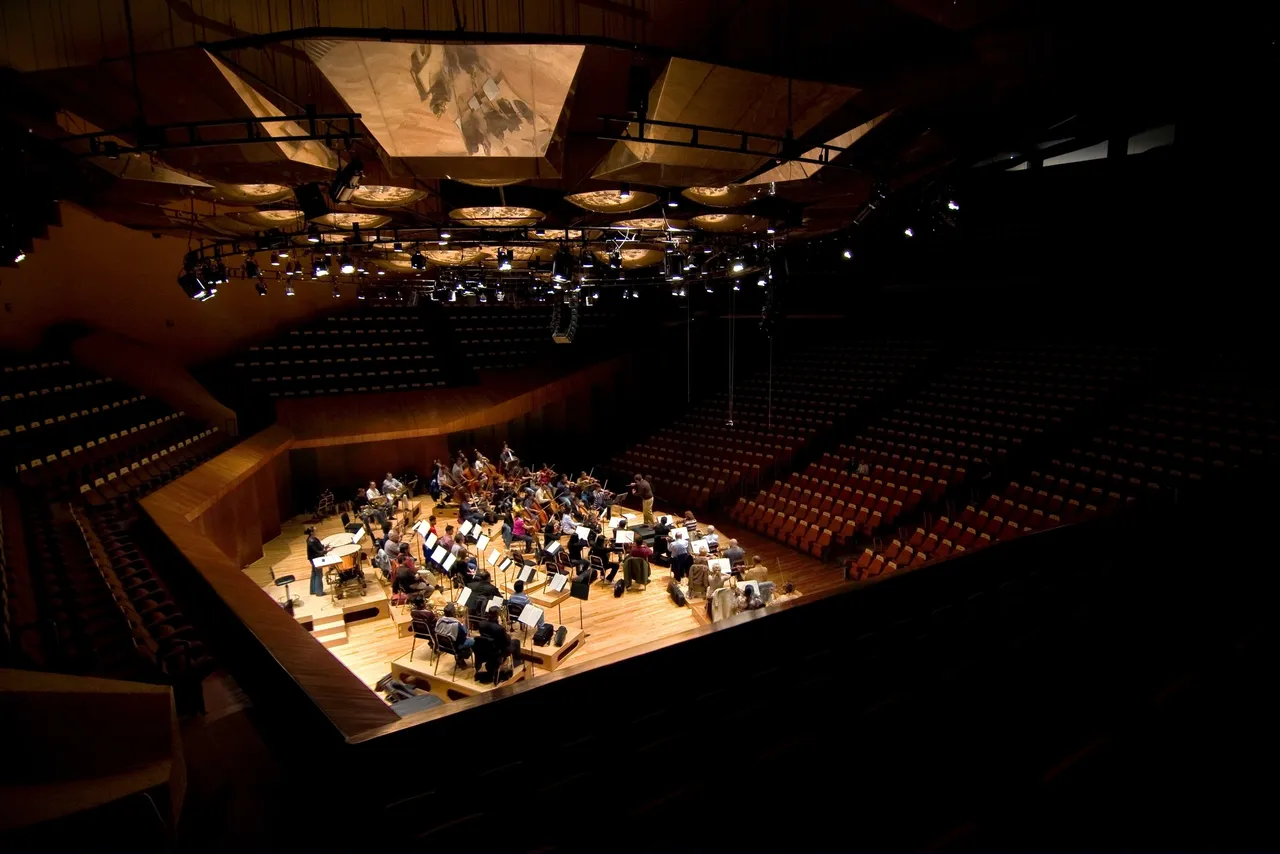
The Differences between Multicultural, Cross-Cultural, & Intercultural Communications By Liu Liu | LIC Board Member In today’s interconnected world, understanding different cultures is no longer a luxury, it’s a necessity. But navigating the complex terrain of terminology can be tricky and confusing. It can feel like deciphering hieroglyphics. Three words in particular are used interchangeably, they are multicultural, cross-cultural, and intercultural. But people often wonder, what is the difference? Imagine a bustling marketplace buzzing with vendors from across the globe. Multicultural is like the vibrant stalls bursting with unique flavors and colors. Each culture displays its distinct wares, attracting customers, but rarely mixing their ingredients. Here, cultures coexist, side-by-side, yet their interactions are minimal. It’s a celebration of diversity, but not necessarily a melting pot. Cross-cultural is like a curious shopper comparing spices from different stalls. They analyze the differences, similarities, and potential pairings. This is the realm of research and comparison, where cultures are placed under a microscope for examination. It’s about understanding the “what” and “how” of different cultural practices. But then comes intercultural, the adventurous gourmet who grabs ingredients from diverse stalls and concocts a mouthwatering fusion dish. It’s about the dynamic exchange, the mutual learning, and the emergence of something entirely new. Here, cultures don’t just coexist, they interact, influence, and transform each other. I hope this analogy gives you a good “flavor” of the difference between these three terminologies. To put it in an orderly fashion, each terminology describes the different levels of engagement with different cultures. Multicultural: ● Describes a society or environment where diverse cultural groups exist side-by-side. ● Focuses on the presence and coexistence of multiple cultures. ● Doesn’t necessarily imply interaction or exchange between cultures. ● Can sometimes imply a parallel existence with limited engagement. Cross-cultural: ● Refers to the comparison or interaction between two or more distinct cultures. ● Focuses on the study and analysis of cultural differences and similarities. ● Often involves research, observation, and comparison of cultural aspects. ● May not always involve deep understanding or mutual learning. Intercultural: ● Describes a dynamic process of interaction and exchange between cultural groups. ● Emphasizes mutual understanding, respect, and learning from each other’s cultures. ● Aims to build relationships, bridge differences, and foster collaboration. ● Goes beyond mere coexistence to create a space for cultural blending and growth. Let’s have another analogy, this time using another aspect of culture, the music. If you can imagine a symphony orchestra. Multicultural is each musician bringing their individual instrument – the sitar, the violin, the djembe. The music plays, beautiful and distinct, but the sound remains compartmentalized. Cross-cultural is the conductor meticulously studying each score, comparing tempos and rhythms. It’s the analysis of how different cultural “instruments” function within their own systems. And finally, intercultural is the orchestra harmonizing, each musician adapting their style to create a unified symphony. This is the collaborative spirit, the respect for individual notes while weaving them into a richer, more vibrant tapestry of sound. Understanding these nuances is crucial. Multiculturalism acknowledges diversity, cross-cultural studies it, but interculturalism embraces it. It’s not just about appreciating differences, it’s about building bridges, fostering dialogue, and celebrating the dynamic interplay of cultures that shapes our world. Here are some Do’s and Don’tsfor Navigating the Multicultural, Cross-Cultural, and Intercultural Landscape: Multicultural: ● Do: Celebrate diversity in your community, organization, or workplace. ● Do: Create opportunities for people from different cultures to share their traditions and customs. ● Don’t: Assume homogeneity within cultural groups. Individuals are always unique and diverse. ● Don’t: Stereotype or make generalizations about entire cultural groups. Cross-Cultural: ● Do: Actively seek out information and resources about different cultures. ● Do: Be open to learning about and understanding differences in cultural norms and values. ● Don’t: Assume your own cultural perspective is universal or superior. ● Don’t: Rely on generalizations or stereotypes to understand individual behavior. Intercultural: ● Do: Engage in respectful dialogue and exchange with people from different cultures. ● Do: Actively listen and learn from others’ perspectives and experiences. ● Don’t: Impose your own cultural expectations or assumptions on others. ● Don’t: Be afraid to make mistakes or ask clarifying questions. Openness and humility are key. Additional Tips: ● Be mindful of nonverbal communication: Gestures, facial expressions, and personal space can vary significantly across cultures. ● Respect cultural differences in humor and communication styles: What’s funny in one culture might be offensive in another. ● Practice active listening: Pay attention to both verbal and nonverbal cues to understand the full message. ● Show genuine curiosity and interest in other cultures: Ask questions, engage in conversations, and be open to new experiences. ● Be patient and understanding: Building intercultural understanding takes time and effort. So, the next time you encounter these terms, remember the marketplace, the symphony, and most importantly, the endless possibilities that arise when cultures engage in a vibrant dance of exchange and transformation. Let’s be the adventurous gourmets, the harmonizing musicians, and embrace the beauty of the truly intercultural world. Remember, navigating the cultural landscape is a continuous journey of learning and growth. By embracing these do’s and don’ts, we can foster a more inclusive and respectful world where everyone feels valued and understood.