


Cultural Competence in Education The Heart of Cultural Competence in Education Unlocking the Power of Understanding Cultural competence is like a guiding light in the vibrant world of education. It’s all about understanding different cultures and why it’s super important for learning. But what does it really mean and why is it so crucial? Understanding Cultural Competence Cultural competence in education is like a superpower that helps educators navigate through the amazing diversity of students’ cultures. It creates a foundation for fostering an environment that celebrates and respects the unique cultural backgrounds of both students and educators on their educational journey.. Embracing Diversity in the Classroom Picture a classroom pulsating with the vibrant hues of varied cultural backgrounds, each adding its own unique brushstroke to the canvas of learning. Recognizing and celebrating this diversity isn’t merely significant; it’s indispensable. When educators acknowledge cultural disparities, they lay the groundwork for a more inclusive and supportive educational milieu. The Power of Inclusive Teaching Infusing cultural competence into teaching methodologies isn’t a checkbox exercise; it’s about making a tangible impact. By interweaving diverse cultural perspectives into the curriculum and leveraging teaching materials that resonate with students’ lived experiences, educators craft a space where every student’s voice resonates and finds validation. Navigating Challenges Yet, for all its importance, implementing cultural competence isn’t always a seamless endeavor. Educators often grapple with addressing biases, stereotypes, and the delicate dance of navigating cultural differences among their students. Nevertheless, by confronting these challenges head-on, educators set the stage for profound growth and mutual understanding. Strategies for Success So, how can educators cultivate and enrich their cultural competence? It’s an ongoing journey of growth and enlightenment. From immersing in training sessions that spotlight cultural sensitivity to actively delving into the diverse cultural fabric within the classroom, myriad pathways exist for educators to deepen their cultural acumen. Measuring Progress But how do we gauge our strides in cultural competence? Measuring progress involves assessing educators’ adeptness in fostering an inclusive and culturally responsive learning environment. It’s about setting tangible benchmarks that mirror our unwavering commitment to celebrating diversity. Impact on Teaching and Learning At its core, cultural competence in education wields a profound influence on the art of teaching and learning. From nurturing cross-cultural understanding to amplifying student engagement and academic prowess, its reverberations echo far and wide. Building Bridges, Together In an ever-evolving world where connections transcend borders and cultures, cultural competence emerges as more than a skill – it’s a bridge-builder. Instead of allowing our differences to fragment us, let’s harness the potency of cultural competence to forge robust connections and fashion a brighter tomorrow for all. Together, let’s construct bridges that span the depths of diversity and unite us in our shared humanity. Nurturing Cultural Competence: Empowering Educators Empowering the Guardians of Knowledge In the realm of education, the journey towards cultural competence isn’t just about understanding diverse cultures – it’s about empowering educators to champion inclusivity and belonging. But why is this journey so crucial, and how can educators navigate its twists and turns? The Impact of Cultural Competence The impact of cultural competence on student success reverberates profoundly. When educators possess this vital trait, they can effectively engage and uplift students from varied cultural backgrounds, ultimately enriching their academic journey and holistic well-being. However, the path to cultural competence isn’t devoid of hurdles, especially when it comes to recognizing and confronting personal biases. Strategies for Growth How can educators cultivate and refine their cultural competence amidst these challenges? It’s a journey marked by continuous learning and introspection. From partaking in professional development sessions that spotlight cultural sensitivity to weaving diverse perspectives into the curriculum, educators have a myriad of avenues to enrich their cultural prowess. Fostering Inclusion Creating an environment of inclusion demands more than just lip service – it requires educators to confront biases and prejudices head-on. By fostering an atmosphere of cultural sensitivity and understanding, educators pave the way for a classroom where every student feels valued and respected. Supporting Professional Growth Enhancing cultural competence isn’t just about benefiting students; it’s about nurturing the growth of educators themselves. By providing the tools and knowledge to navigate cultural landscapes effectively, cultural competence empowers educators to excel in their roles and forge meaningful connections with students from diverse backgrounds. Challenges Along the Way Yet, the journey towards cultural competence isn’t without its obstacles. Overcoming prejudice in education stands as a significant challenge, demanding educators’ unwavering commitment to dismantling biases and stereotypes that may linger within the educational ecosystem. Promoting Inclusion Navigating the intricacies of teaching and learning across cultures offers educators a unique opportunity to foster meaningful exchanges and interactions among students. By fostering a classroom environment that champions diversity, educators lay the groundwork for a community where every student feels a sense of belonging and acceptance. Navigating Challenges Promoting cultural competence in a diverse classroom isn’t devoid of challenges. From navigating cultural differences and expectations to confronting bias and stereotypes among students, educators must adopt a culturally responsive approach that celebrates diversity and fosters mutual understanding. Cultivating Cultural Competence Online In the digital age, cultural competence transcends physical boundaries. In online education, educators are tasked with fostering inclusivity and respect among students from diverse backgrounds, creating a virtual space where every voice is heard and valued. Empowering Students Through Cultural Competence Ultimately, cultural competence isn’t just about empowering educators – it’s about enriching the educational journey for students from diverse backgrounds. By fostering cross-cultural understanding and creating an inclusive environment, educators equip students with the tools to thrive in an interconnected world. As we navigate the intricacies of cultural competence, let’s remember that our journey isn’t just about understanding diverse cultures – it’s about fostering a community where every voice is heard and valued. Together, let’s embark on this journey towards a brighter, more inclusive future. Bridging Cultures in Education: A Path to Understanding Forging Connections Beyond Boundaries In the vibrant mosaic of education, the pursuit of cultural competence serves as a guiding light, weaving together the rich tapestry

The Impact of Diversity vs Inclusion in the Workplace
Understanding the Impact of Diversity vs Inclusion in the Workplace: Key Differences and Importance In today’s fast-evolving global marketplace, the terms diversity and inclusion have become pivotal concepts within the workplace. Understanding the impact of diversity versus inclusion is essential for organizations striving to create a more harmonious and productive work environment. Often used interchangeably, diversity and inclusion hold distinct meanings, yet both are crucial for fostering a healthy workplace culture. As such, it’s vital to discern the disparities and recognize the significance of each in the modern workforce. Overview Defining Diversity and Inclusion In the context of the workplace, diversity refers to the variety of differences among people, including but not limited to race, ethnicity, gender, sexual orientation, age, and physical abilities. On the other hand, inclusion in a diverse workplace is the practice of ensuring that all individuals feel welcome, valued, and supported in the work environment, regardless of their differences. Inclusive and diverse workplaces recognize, respect, and appreciate the unique perspectives and contributions of every employee, creating a culture of belonging. Importance in the Workplace The presence of diversity and inclusion in a diverse workplace is vital for numerous reasons. A diverse and inclusive workplace can enhance innovation, creativity, and problem-solving by leveraging the strengths of a diverse workforce. Moreover, it can lead to improved employee engagement, satisfaction, and retention, creating a positive work environment where employees feel valued and empowered. Embracing diversity and fostering inclusion in the workplace can also help organizations build stronger relationships with their customers and communities, enhancing their reputation and boosting their competitive advantage. Challenges While diversity and inclusion bring significant benefits, organisations often face challenges in effectively implementing inclusive practices. These challenges may include unconscious bias, resistance to change, and the need for ongoing education and training to promote diversity and inclusion. Overcoming these obstacles requires commitment at all levels of an organization, from leadership to individual employees, and a continuous effort to create a more diverse, inclusive, and equitable work environment. Diversity in the Workplace Creating a diverse workforce is a multifaceted process that involves recruiting, hiring, and retaining individuals from various backgrounds, including those related to race, ethnicity, gender, sexual orientation, age, and physical abilities. To achieve this, organizations need to take proactive steps to attract diverse talent and create an inclusive environment where all employees feel valued and respected. Benefits of Diversity Embracing ethnic diversity in the workplace yields numerous benefits. Firstly, workforce diversity enhances innovation and problem-solving by bringing together individuals with different perspectives and experiences. This diversity of thought can lead to the development of more creative and effective solutions to challenges. Additionally, a diverse workforce can better represent the customer base, allowing organizations to establish stronger connections with a wide range of customers. Furthermore, it can improve employee morale, engagement, and retention as diverse employees feel valued and included, fostering a positive and productive work environment. Effective Diversity Hiring When implementing diversity hiring initiatives, organizations should prioritize equal opportunity and create processes that minimize unconscious bias. The difference between diversity and inclusion can be evaluated by examining job requirements and assessment criteria to ensure they are gender and ethnicity inclusive and do not inadvertently favor one demographic group over another. Additionally, actively recruiting from diverse talent pools and providing training to hiring staff on diversity and inclusion can help build a more representative and inclusive workforce. Inclusion in the Workplace Creating an inclusive workplace means establishing a diverse environment where individuals feel valued, respected, and treated fairly, regardless of their differences. This involves promoting open communication, fostering a sense of belonging, and ensuring that all employees have equal opportunities to contribute and succeed. Organizations can promote an inclusive environment by implementing policies and practices that support diversity, equity, and inclusion, and by encouraging collaboration and mutual respect among employees with diverse backgrounds and perspectives. Ensuring Employees Feel Included To ensure that everyone feels included, organisations need to engage in proactive efforts to address any barriers to inclusion and diversity and foster a culture of belonging. This can include providing training and education on diversity and inclusion, creating mentorship and support programs for underrepresented groups, and actively seeking feedback from employees to understand their experiences and perspectives. Additionally, promoting inclusive leadership and empowering employees to participate in decision-making processes can contribute to a more inclusive work environment. Building a Diverse and Inclusive Culture Building a diverse and inclusive culture involves integrating diversity and inclusion efforts into the organization’s values, mission, and everyday practices. This can be achieved by establishing diversity and inclusion councils or committees, conducting regular assessments of inclusion efforts and progress, and promoting accountability and transparency in fostering a diverse and inclusive workplace. Moreover, organizations can celebrate diversity through events, recognition programs, and initiatives that highlight the contributions of employees from diverse backgrounds, thereby reinforcing a culture of diversity and inclusion.
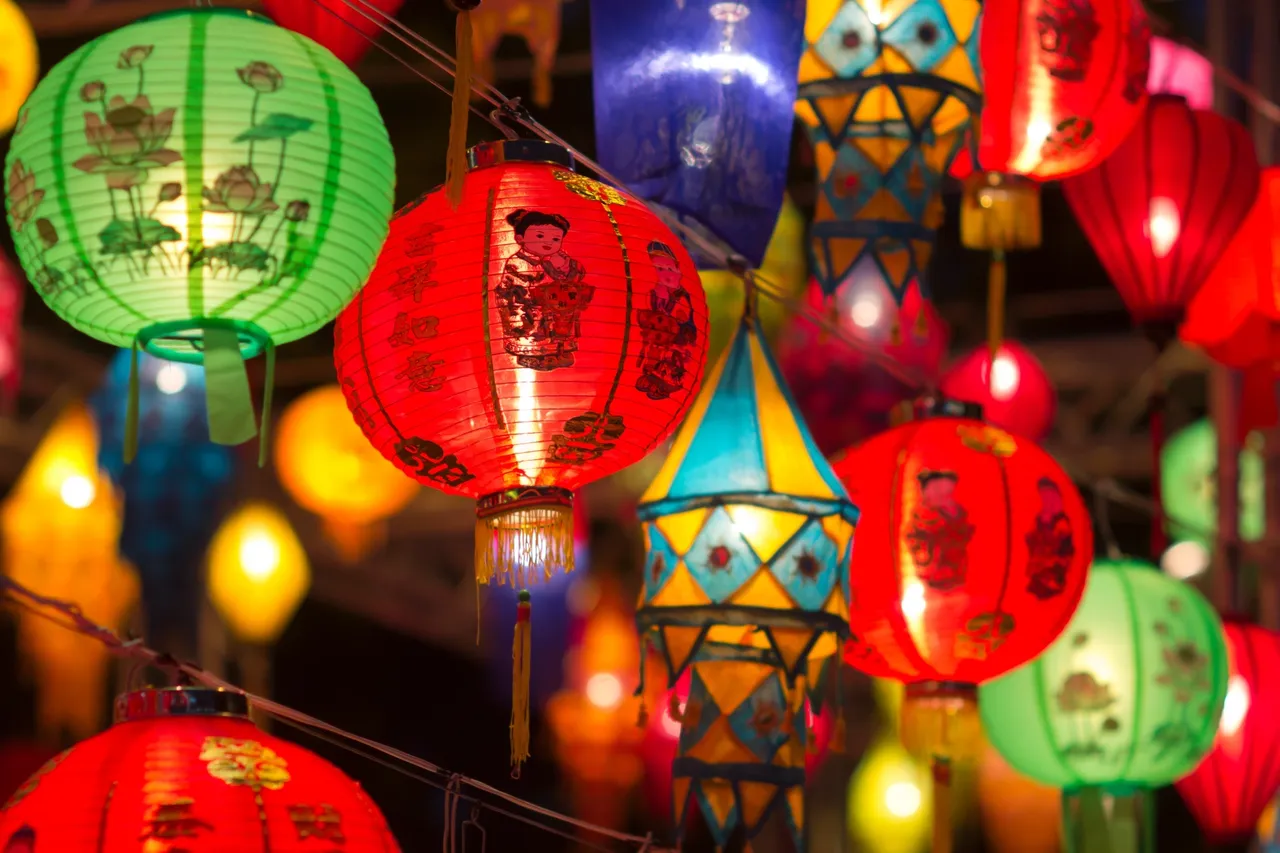
Culture, intercultural Studies and intercultural communication
Culture, intercultural Studies and intercultural communication – Exploring Intercultural Studies and Communication Intercultural communication and studies play a pivotal role in today’s interconnected world. It encompasses the exploration and understanding of interactions between people from different cultural backgrounds. At its core, intercultural studies delves into the intricacies of societal, linguistic, and cultural aspects, fostering appreciation and respect for diversity. What is Intercultural Communication and Studies? Intercultural communication and studies revolve around delving into the encounters and exchanges between individuals from diverse cultural contexts. It aims to enhance insight into the manifold ways in which culture, language, and society intersect, shaping identities and interactions. Understanding the Core Concepts At the heart of intercultural studies is the examination of cultural differences and similarities, providing a comprehensive understanding of how individuals perceive and interpret the world around them. It involves critically analysing the implications of cultural encounters on communication and relationships. Impact on Society and Identity The impact of intercultural communication and studies extends to societal dynamics and individual identities. By exploring how language and cultural expressions shape societal norms, it contributes to the promotion of social justice and equality, emphasizing the importance of education and intercultural learning. Importance in a Globalised World In a globalised world, intercultural communication and studies hold significant relevance. It provides a platform to inform and broaden perspectives, instigating dialogue, and understanding across cultural boundaries, ultimately fostering harmonious intercultural encounters. Entry Requirements for Intercultural Studies Programs Individuals aspiring to pursue intercultural studies programs are expected to meet specific entry requirements to ensure a comprehensive understanding of the field. Academic Background and Qualifications Prospective scholars are typically required to possess a strong academic background, demonstrating proficiency in areas such as cultural, linguistic, and social studies. This foundation ensures a solid grounding for intercultural exploration. Language Proficiency Given the significance of language in intercultural interactions, language proficiency in relevant languages is often a prerequisite. Proficiency in multiple languages contributes to better intercultural engagement and comprehensive research in intercultural encounters. Research Experience Prior research experience in cultural studies equips scholars with the necessary skills and insight to undertake rigorous intercultural research projects. Methodological expertise and the ability to critically examine diverse cultural contexts are vital for successful engagement in intercultural studies. Overview of London Intercultural Center London Intercultural Center serves as a hub for interdisciplinary research and development, providing a conducive environment for cultivating understanding and insight into diverse cultures and societies. Mission and Key Objectives LIC is committed to assisting businesses and organisations in understanding their workforce and local communities, LIC emphasizes adaptability and embraces cultural diversity as strengths. LIC’s mission is to create harmony in society through the beautiful variety of cultures. LIC provides consulting services that include cultural awareness training, diversity and inclusion initiatives, and workforce planning to help businesses develop a deeper understanding of their employees and the communities they serve. We believe that by embracing and celebrating cultural diversity, businesses can create a more harmonious and productive work environment, leading to greater success and impact in their communities. LIC is dedicated to promoting social cohesion and understanding through our work with businesses and organizations, they aim to bridge the gap between different cultures and create a more inclusive and unified society. We believe that by embracing cultural diversity, businesses can gain a competitive advantage, build stronger relationships with clients and customers, and create a more inclusive and innovative work environment. Through our services, LIC is dedicated to helping businesses and organizations create a positive impact and contribute to a more harmonious and prosperous society. Available Programs and Seminars At London Intercultural Center Visit London Intercultural Centre

Intercultural Training and Consultancy
Intercultural Training and Consultancy Intercultural training and consultancy play a pivotal role in today’s globalised business landscape, aiding organizations in navigating the complexities inherent in a diverse and interconnected world. This article delves into the significance of intercultural consultancy in business, the benefits it offers, and considerations for choosing the right consultancy partner. What is Intercultural Consultancy? Intercultural consultancy encompasses a range of services aimed at fostering understanding and collaboration across diverse cultural contexts within a business setting. This includes: Understanding Cultural Awareness Intercultural consultancy involves promoting cultural awareness and sensitivity among employees and leaders. By understanding and respecting different cultural norms, businesses can cultivate an inclusive and harmonious work environment. Empowering Diverse Workforce Intercultural consultancy aims at empowering a diverse workforce by equipping them with the necessary skills and perspective to navigate intercultural challenges and leverage cultural diversity as a strength. Implementing Inclusive Programs Consultants in this field assist organizations in implementing inclusive programs that cater to employees from various cultural backgrounds, thereby fostering a sense of belonging and equality. Why is Intercultural Consultancy Important in Business? Intercultural consultancy holds immense importance in the business landscape due to the following reasons: Navigating Cross-Sector Cooperation In a globalized economy, businesses often collaborate across sectors and geographies. Intercultural consultancy aids in bridging communication and cultural gaps, facilitating seamless cooperation. Enabling Inclusion in the Organisation By embracing intercultural consultancy, organizations create an inclusive work environment that celebrates diversity and fosters equal opportunities for all employees. Empowering Clients and Partners Businesses engaging in intercultural consultancy are better equipped to understand and serve their diverse clientele and partners, fostering stronger and more meaningful relationships. How Can Intercultural Training Benefit Your Business? Intercultural training offers several key benefits to businesses, including: 1. Developing New Skills for the Workforce Through intercultural training programs, employees can develop essential skills such as adaptability, empathy, and cross-cultural communication, which are critical for success in diverse work environments. 2. Language Coaching for Effective Communication Cultural consultants provide language coaching to employees to enhance their communication skills in intercultural contexts, enabling smoother and more effective interactions with clients and colleagues from different cultural backgrounds. 3. Creating Eligible and Inclusive Programs By engaging in intercultural training, businesses can design and implement programs that cater to the needs and perspectives of a diverse workforce, thereby fostering a sense of inclusivity and belonging. Where to Find Reliable Intercultural Consultancy Services? When seeking reliable intercultural consultancy services, it’s essential to consider the following: Identifying Expert Trainers and Coaches Look for consultancy firms that specialise in intercultural training and have a team of expert trainers and coaches with a deep understanding of cross-cultural communication and diversity management. Selecting Suitable Consultancy Programs Businesses should select consultancy programs that align with their specific needs and goals, ensuring that the programs are customized to address their unique intercultural challenges. Building Intercultural Communication Expertise Reputable intercultural consultancy services focus on building and enhancing intercultural communication expertise within the organization, enabling them to navigate cultural differences effectively. What to Consider When Choosing an Intercultural Consultancy Partner? When selecting an intercultural consultancy partner, it’s crucial to consider the following factors: Understanding Client and Partner Needs A reliable intercultural consultancy partner should understand the specific needs and challenges faced by the client and their partners, tailoring their services to address these unique requirements. Customising Consultancy for Specific Business Requirements The consultancy partner should be adept at customizing their services to suit the specific business requirements and industry context, ensuring that the interventions are relevant and effective. Applying Intercultural Expertise in the Globalized World An effective consultancy partner must possess a deep understanding of the globalized business landscape and be adept at applying intercultural expertise to assist businesses in thriving in diverse and interconnected markets.

How Do Host Countries View Tourists, Expats, and Immigrants?
How Do Host Countries View Tourists, Expats, and Immigrants? By Liu Liu – LIC Board Member Across the globe, borders buzz with movement. Tourists seek sun-kissed beaches or adventures in exotic locations, expats chase career dreams, and immigrants build new lives in faraway lands. But how does the warmth of welcome vary for these different foreigners? How open are host countries truly, and for whom? Tourism’s Temporary Tango: Tourists, fleeting butterflies flitting across our landscapes, are greeted with a curious mix of hospitality and reservation. We welcome the economic boom they bring, but sometimes wince at overcrowded beaches and jostling crowds. Their brief stays may not pose major integration challenges, but cultural misunderstandings can spark friction. Imagine a tourist, accustomed to punctuality, bewildered by a laid-back siesta culture. Picture a local shopkeeper baffled by a tourist’s insistence on bartering for souvenirs, or a bemused local shopkeeper faced with a tourist demanding ketchup for fried rice! Such mismatches in expectations can spark frustration and misunderstanding. Therefore, host countries often walk a tightrope. They showcase the cultural gems through vibrant festivals and friendly guides, yet enforce noise restrictions and dress codes to maintain harmony. The tolerance ebbs and flows with the tourist seasons, a delicate dance between economic gain and cultural preservation. Host countries can ease these tensions by offering clear cultural guidelines. Tourist information leaflets explaining local customs and etiquette can prevent friction. Additionally, fostering intercultural engagement through language exchanges or cultural workshops can create bridges of understanding. Expats: The Dance of Skills and Integration: Expats, skilled professionals waltzing into the host countries’ workforces, often receive a warmer embrace. Their expertise promises economic growth, and their willingness to learn the language and adapt to customs fosters acceptance. Countries roll out red carpets of visas and work permits, hoping they’ll build bridges between cultures and enrich their communities. Yet, whispers of competition may slither through the shadows. Concerns about job displacement and cultural clashes can dampen the welcome. The tango becomes one of opportunity and apprehension, the host country weighing the benefits of expat skills against the potential for social discord. Expats, drawn by career opportunities or personal goals, face a different set of cultural challenges. Their longer stays necessitate deeper cultural immersion, often leading to clashes with unspoken social norms and communication styles. Imagine an expat, accustomed to direct communication, misinterpreting the subtle body language of their host culture. Or picture an expat’s well-meaning joke falling flat due to cultural taboos surrounding humor. Such misunderstandings can create social awkwardness and hinder integration. Expats can navigate these complexities by actively learning local customs and non-verbal cues. Language proficiency is crucial, but understanding unspoken codes of conduct and communication styles is equally important. Openness to adapting their communication style and avoiding culturally insensitive jokes can further bridge the gap. Immigrants: A Complex Symphony of Integration and Resistance: For immigrants, the music changes. Their symphony of dreams collides with a complex orchestra of national identity, economic anxieties, and historical experiences. Fears of cultural dilution, social tension, and economic strain can turn the warm welcome into a chilling resistance. Policies tighten, quotas shrink, and the air thickens with skepticism. Immigrants, seeking to build new lives, encounter the most profound cultural challenges. They must navigate complex social systems, grapple with potential discrimination, and negotiate their identity within a new cultural fabric. Imagine an immigrant clinging to their traditions but facing societal pressure to assimilate. Or picture an immigrant struggling to find employment due to cultural bias in the job market. Such challenges can lead to feelings of isolation and cultural dissonance. Host countries can foster immigrant integration by promoting multiculturalism. Celebrating diverse traditions through festivals and events can create a sense of belonging and inclusivity. Additionally, providing anti-discrimination training and creating accessible pathways to citizenship can empower immigrants and foster social cohesion. But amidst the dissonance, hope remains. Recognition of immigrants’ contributions, their hard work, and their commitment to integration can lead to acceptance. Citizenship pathways illuminate possibilities, social services bridge divides, and the symphony finds its harmony in the richness of diversity. Striking the Right Chord: Ultimately, managing cultural differences requires more than just tolerance. It necessitates genuine respect for diverse values, traditions, and communication styles. This respect should flow both ways, with tourists, expats, and immigrants striving to understand and appreciate the host culture, and host countries actively welcoming and supporting newcomers. Navigating this global dance requires delicate steps. Host countries must embrace newcomers’ positive impact while safeguarding their cultural tapestry. We must welcome tourists with open arms, value expat skills without fostering resentment, and integrate immigrants with empathy and respect. For our world’s symphony to truly resound, we need open doors and open minds. Let us build bridges of understanding, celebrate the vibrancy of cultural exchange, and remember: in the grand scheme of humanity, we are all foreigners to each other and are all travelers on this shared planet, forever seeking a welcoming shore. So, let’s raise the curtain on open minds and open doors, and together, orchestrate a future where everyone finds a welcoming melody. By recognizing the unique challenges faced by each group and implementing respectful integration strategies, we can create a world where cultural differences enrich, rather than divide. Let us embrace the kaleidoscope of humanity, fostering a symphony of mutual understanding and building a tapestry of vibrant, inclusive communities where everyone feels welcome and at home.
Events Promoting Intercultural Dialogue and Understanding
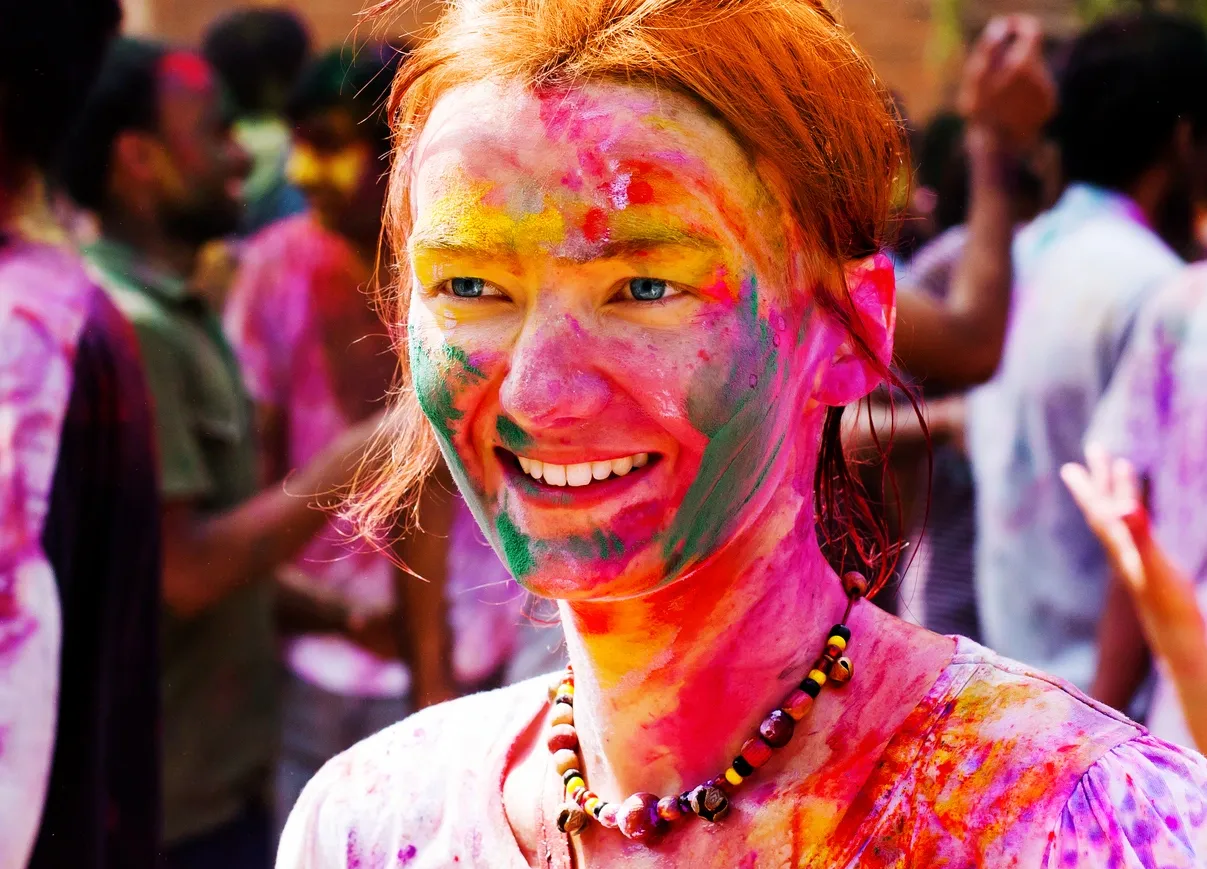
Events Promoting Intercultural Dialogue and Understanding Intercultural dialogue refers to the open and respectful exchange of views between individuals from different cultural backgrounds. It involves the willingness to listen and learn from one another, embracing the diversity that each culture brings to the table. Through intercultural dialogue, people can bridge the gap between their differences and find common ground, leading to a better mutual understanding. What is Intercultural Dialogue All About? Intercultural dialogue promotes mutual understanding by creating a space for people to engage in meaningful conversations about their cultures, traditions, and values. This exchange of ideas helps in breaking down stereotypes and misconceptions, fostering empathy and respect for one another’s cultural backgrounds. Intercultural dialogue is important in a diverse society as it allows individuals to appreciate and celebrate cultural diversity. It provides a platform for people to learn from one another and build stronger, more inclusive communities. Through dialogue, misunderstandings can be resolved, and common goals can be identified, leading to a more harmonious society. Events play a crucial role in promoting intercultural dialogue by bringing together people from diverse backgrounds in a shared space. They provide opportunities for individuals to interact, share their experiences, and gain insights into different cultures, ultimately fostering a sense of unity and collaboration. How Do Events Unite People from Different Cultural Backgrounds? Various types of events can effectively promote intercultural unity, such as cultural festivals, art exhibitions, and international food fairs. These events offer a platform for individuals to showcase their cultural heritage, providing a rich and immersive experience for participants from different cultural backgrounds. Sports events also play a significant role in promoting intercultural dialogue. Whether it’s a friendly football match or a global sports competition, sports have a unique ability to transcend cultural barriers and bring people together, fostering a sense of camaraderie and mutual respect. Events facilitate the exchange of cultural diversity by creating opportunities for people to engage in meaningful interactions, learn from one another, and appreciate the richness of the world’s cultural tapestry. What is the Role of Organisations in Promoting Intercultural Dialogue? Organisations can foster dialogue and cooperation among different cultures by organizing workshops, seminars, and cultural exchange programs. Through these initiatives, they create a platform for individuals to engage in constructive discussions, share experiences, and form meaningful connections across cultural boundaries. Furthermore, organisations can organise programmes that promote intercultural understanding, such as language classes, diversity training, and cultural immersion experiences. These initiatives help in breaking down communication barriers and promoting a deeper appreciation for cultural diversity. Organisations also play a crucial role in recognizing and respecting the cultural identity of diverse communities. By creating inclusive environments and embracing diversity, organisations can foster a sense of belonging and unity among individuals from different cultural backgrounds. How Can Events Contribute to Sustainable Intercultural Dialogue? Implementing sustainable strategies is essential to ensure the longevity of intercultural dialogue through events. This can be achieved by developing long-term partnerships with cultural organizations, integrating intercultural dialogue into educational curricula, and supporting initiatives that promote cultural exchange and understanding. Events contribute to the ongoing debate on intercultural understanding by serving as platforms for open discussions, cultural performances, and interactive activities that encourage participants to engage in meaningful dialogue and reflection on the importance of mutual understanding. Key elements for organizing successful events that promote intercultural dialogue include creating inclusive and accessible spaces, providing opportunities for cross-cultural interactions, and engaging diverse communities in the planning and execution of the events. What Are the Key Challenges in Promoting Intercultural Dialogue Through Events? Barriers to intercultural dialogue can be overcome through events by actively promoting diversity and inclusion, providing language interpretation services, and addressing cultural sensitivity in event planning and execution. By consciously striving to create a welcoming and respectful environment, events can break down the barriers that hinder effective intercultural dialogue. Potential risks of promoting intercultural dialogue through events include the inadvertent perpetuation of stereotypes, cultural appropriation, and the unintentional marginalization of certain cultural groups. It is essential for event organizers to be mindful of these risks and work towards creating events that are respectful, inclusive, and reflective of diverse cultural perspectives. Events can effectively address the issue of cultural discrimination and biases by promoting cultural awareness, facilitating intercultural interactions, and providing a platform for open dialogue about the challenges and opportunities of cultural diversity. Through education and advocacy, events can play a significant role in fostering greater understanding and appreciation of diverse cultures.