

By Michaela Bránová
What If Your Authoritarian Boss Is Teaching You Something About Yourself?
Using Process-Oriented Psychology to Navigate Workplace Dynamics and Personal Growth
What if the qualities you reject in others are the ones you need the most?
We often label certain traits as “bad” — authoritarianism, toughness, directness. But what if avoiding these qualities is actually holding us back? Inspired by Jungian psychology and the work of Arnold Mindell, let’s explore a radical idea: What disturbs us in others might be exactly what we need to integrate within ourselves.
“What disturbs you is a part of you that you might not have fully embraced yet.”
Carl Jung believed that our dreams compensate for our one-sidedness, nudging us toward wholeness by revealing what we reject, deny, or overvalue. Arnold Mindell expanded on this idea, suggesting that we can increase self-awareness not only through dreams but also through body symptoms, conflicts, and difficult relationships.
Dear Matt, Thank You for Teaching Me a Lesson.
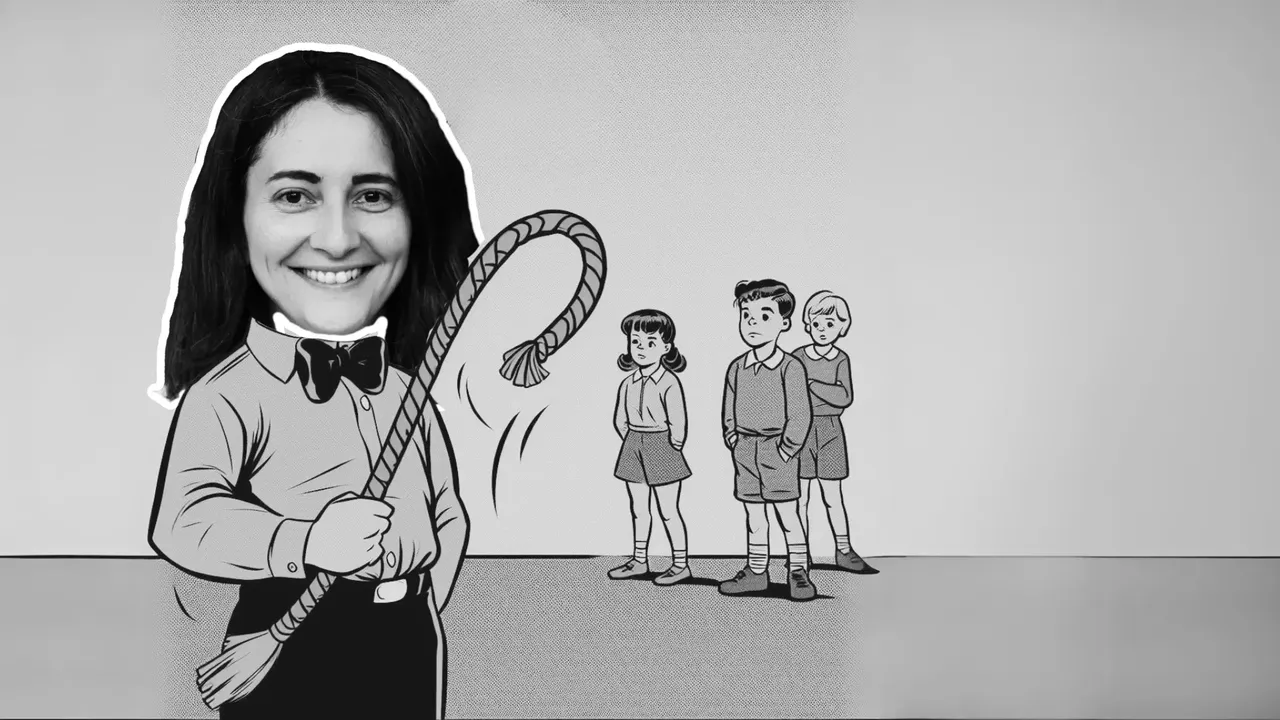
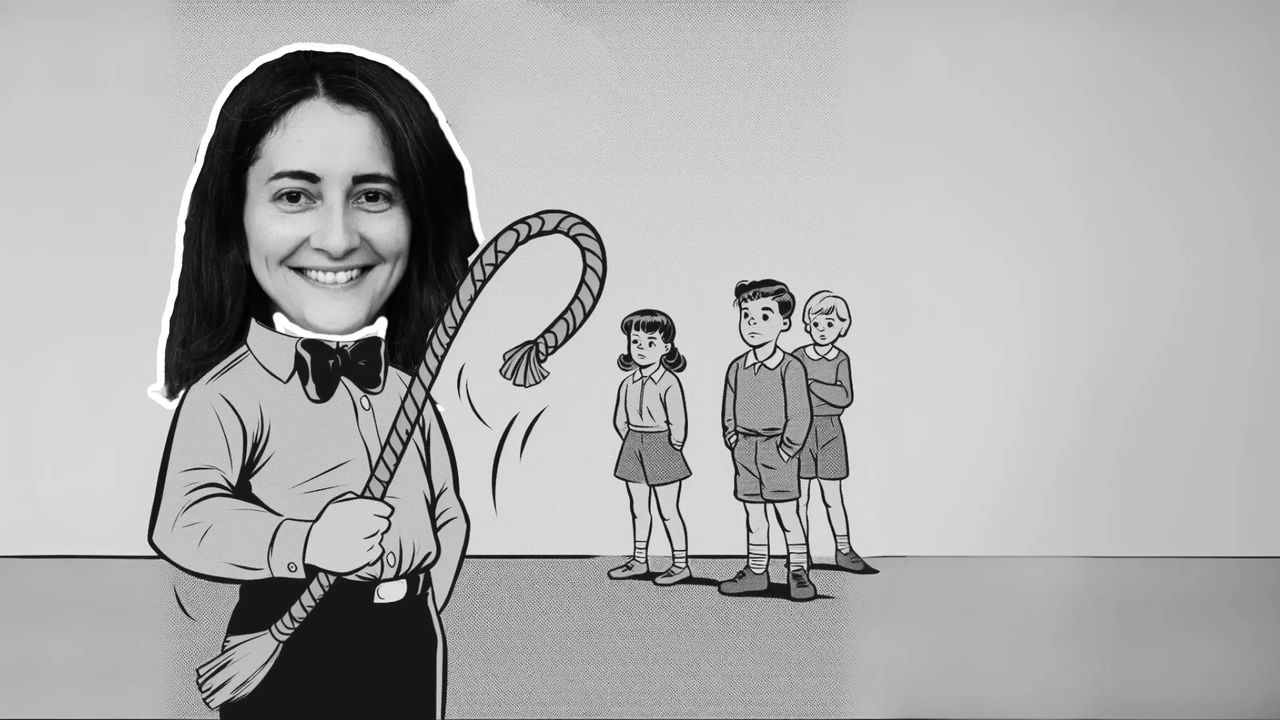
I once had a boss — no, a BOSS (he would have loved that title). Matt was tough, direct, impatient. He didn’t like discussions; he wanted execution. He lost his temper often. And yet, he wanted great results.
“He’s from New York,” my colleagues said sympathetically. “They’re very competitive over there.”
“I know this isn’t your style, Míša,” our Chief People Officer told me, “but trust me, you might be more alike than you think.”
I resisted that idea. I’m nothing like him! But the truth was, I took Matt to many therapy sessions in my head, trying to figure out why he disturbed me so much. And this is what I learned:
What We Reject in Others Is Often Something We Haven’t Accepted in Ourselves.
I saw toughness as a flaw. But wasn’t I missing out on something valuable by refusing to explore it? And wasn’t it already a part of me?
What If Stepping Into What Disturbs Us Could Open Up New Experiences?
Mindell suggests that instead of fighting what disturbs us, we should become it — even if just for a moment. This means:
- Stepping into the experience of being that person — fully.
- Observing what stops us from that experience — inner criticism? Belief system? Cultural context?
- Exploring the sensory experience of what it’s like to embody the qualities hidden in this experience.
When I let myself become Matt (not him exactly, but the figure he represents for me), something shifted:
- I felt strong.
- I stopped overthinking everyone’s feelings.
- Things felt… easier.
For a moment, I stepped outside my usual identity. And I realized — I could use this.
Try It With Me: Become Your Despotic Boss for a Moment.
This is not about becoming an actual dictator at work. It’s about tapping into a positive quality that might be hidden beneath it.
Exercise: Step Into Their Shoes
- Mimic your boss.
Observe their gestures, posture, and tone of voice. Walk like them, sit like them. Fully embody their energy. Take your time. - Notice your resistance.
What thoughts pop up? “This is bad.” “I can’t be like them.” Instead of resisting, get curious about these beliefs. - Find the 1% you enjoy.
Is there any part of this experience that feels freeing? Maybe the confidence? The ability to set boundaries? Explore what feels good. - Stay with the quality.
How does it feel? What does it allow you to do that you normally wouldn’t? - Bring it into your life.
Where could this quality help you? Maybe in negotiations, tough conversations, or asserting your needs.
Power dynamics matter — don’t ignore them.
Before we wrap up, let’s acknowledge one thing: hierarchical power is real. If your boss has power over you, that dynamic influences everything. It can trigger fight, flight, or freeze responses. If you feel powerless, that’s valid.
But even in that power imbalance, there’s an opportunity to learn. Instead of just reacting to authority, we can explore what is going on for us and which unfolding qualities we can integrate into our own experience.
A note of caution: If your boss is abusive, manipulative, or toxic, protect yourself and set firm boundaries. Personal growth should never come at the cost of your well-being.
What If the Thing You Fear Most Could Actually Help You?
Next time your boss makes your blood boil, pause. Ask yourself:
- What quality in them am I rejecting?
- Where might I actually need a little bit of that?
- How could I integrate just 1% of it?
Sometimes, the best way to reclaim your power is to step into the shadow of what disturbs you — and discover the hidden strength waiting there.