
By Liu Liu – LIC Board Member
Presented at AIMS London 2025
My article today is a slightly unusual path into this topic: through computer games. And specifically, how gaming—powered by AI—is transforming how we teach, preserve, and emotionally connect with culture, history and heritage.
Gaming as a Bridge Between AI, Sustainability, and Culture
Let me begin with a story.
A few years ago, my wife and I used to go to a Spanish island called Lanzarote to get some winter sun. This is an island actually off the North African coast. I mentioned the island of Lanzarote in a casual conversation with my friend, Dr. Li in China. To my surprise, he lit up and said, “Oh! I know where that is—my ship passed by it on the way to Africa.”
Now, Dr. Li is a medical doctor, not a sailor. He’s a scientist and also a big video game fan. In the 1990s, he played a game called Uncharted Waters. In this game, he captained a tall ship along the North African coast to the rest of the world as the Spanish and Portugues did in the 14th and 15th centuries. That experience—virtual though it was—left a lasting mental map.
This was more than nostalgia. It’s an example of how games don’t just entertain—they educate. They build memory through experience. And they trigger cultural curiosity in ways that traditional education often doesn’t.
Uncharted Waters — A Global History Classroom
Uncharted Waters is a Japanese series that began in 1990 and has since evolved through five editions. It’s set in the 15th to 17th centuries, the so-called Age of Discovery. It lets players trade goods, navigate weather systems, and sail between continents.
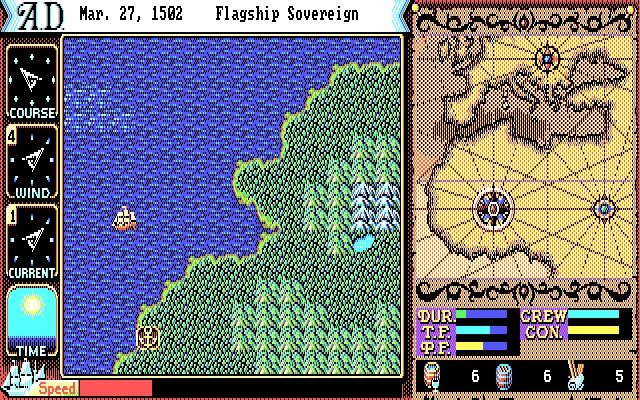
But what makes it extraordinary is how rigorously it represents the real world. The maps, costumes, ships, port music, and even regional goods are based on historical sources. Developers even consulted Japan’s National Diet Library when they lacked information on the food people ate at the time.
Unlike other games developed by Koei Tecmo—this one was a global sensation. It introduced an entire generation to world history, geography, and the deep interconnectedness of cultures.
.png/:/cr=t:0%25,l:0%25,w:100%25,h:100%25/rs=w:1280)
Why did it work so well?
First, it didn’t teach history like a classroom. It taught through doing. Players encountered real historical figures. They were immersed in events like the Battle of Lepanto, not as observers, but as actors.
Second, the development team respected their audience. They knew people could handle depth if it was packaged in wonder. They made the experience playful, but not trivial. They added just enough fiction to spark curiosity—and just enough reality to ground it.
Some fans even studied for formal exams based on the content. Others, including the developers themselves, were inspired to pursue work in cultural preservation. This is education plus entertainment with real-world impact.
Fast Forward — AI + Justice (逆水寒)
Now, let’s fast forward to 2018—and from the history of Europe to China.
The game Justice, or 逆水寒 in Chinese, created by NetEase, represents a new generation of culturally rich, AI-powered gaming. It’s based on Song Dynasty history, spanning from Northern Song (960-1127) and the Southern Song (1127-1279). It combines ancient literature, archaeology, and cutting-edge artificial intelligence.
.png/:/rs=w:1280)
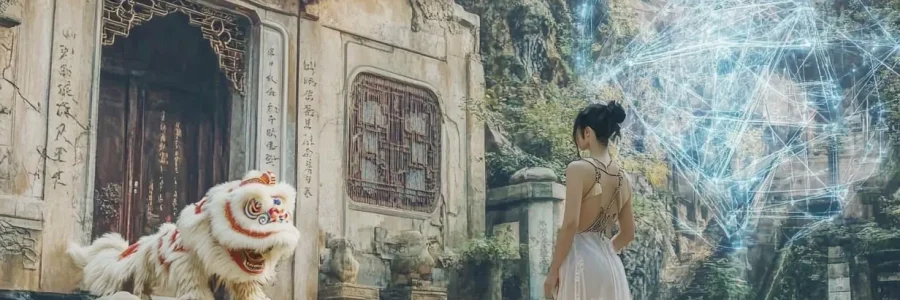
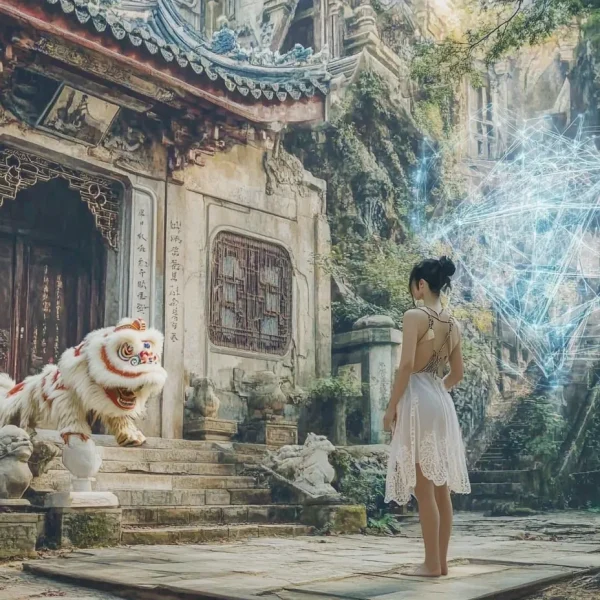
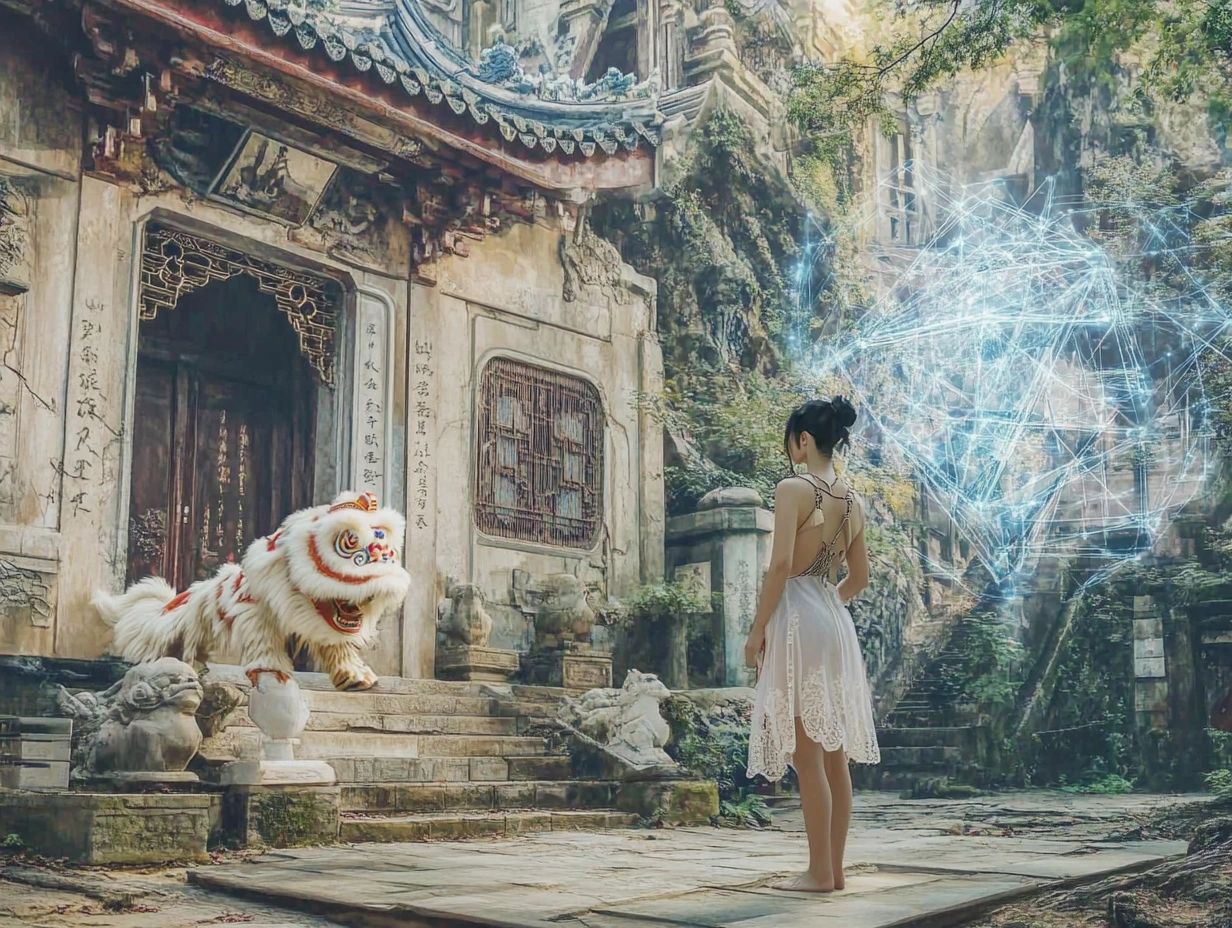
Players don’t just fight battles or collect coins—they explore urban landscapes from a thousand years ago. They hear ancient Li yuan opera in the town square. They watch lion dances during festivals or admire the delicate patterns of Song Dynasty paper-cutting and many more historical and cultural experiences.
The development team used 3D landscape images of China to create the map for the game, they rebuilt the cities and towns using archeology archives to the exact size and colors. The team also went around China to collect all the regional dialects and accents and infused them into the characters of the game, so people in the game speak different regional tongues as in real life.
This is not just immersive. It’s interactive heritage. This is the power of AI+Game.
AI and the Sustainable Heritage Loop
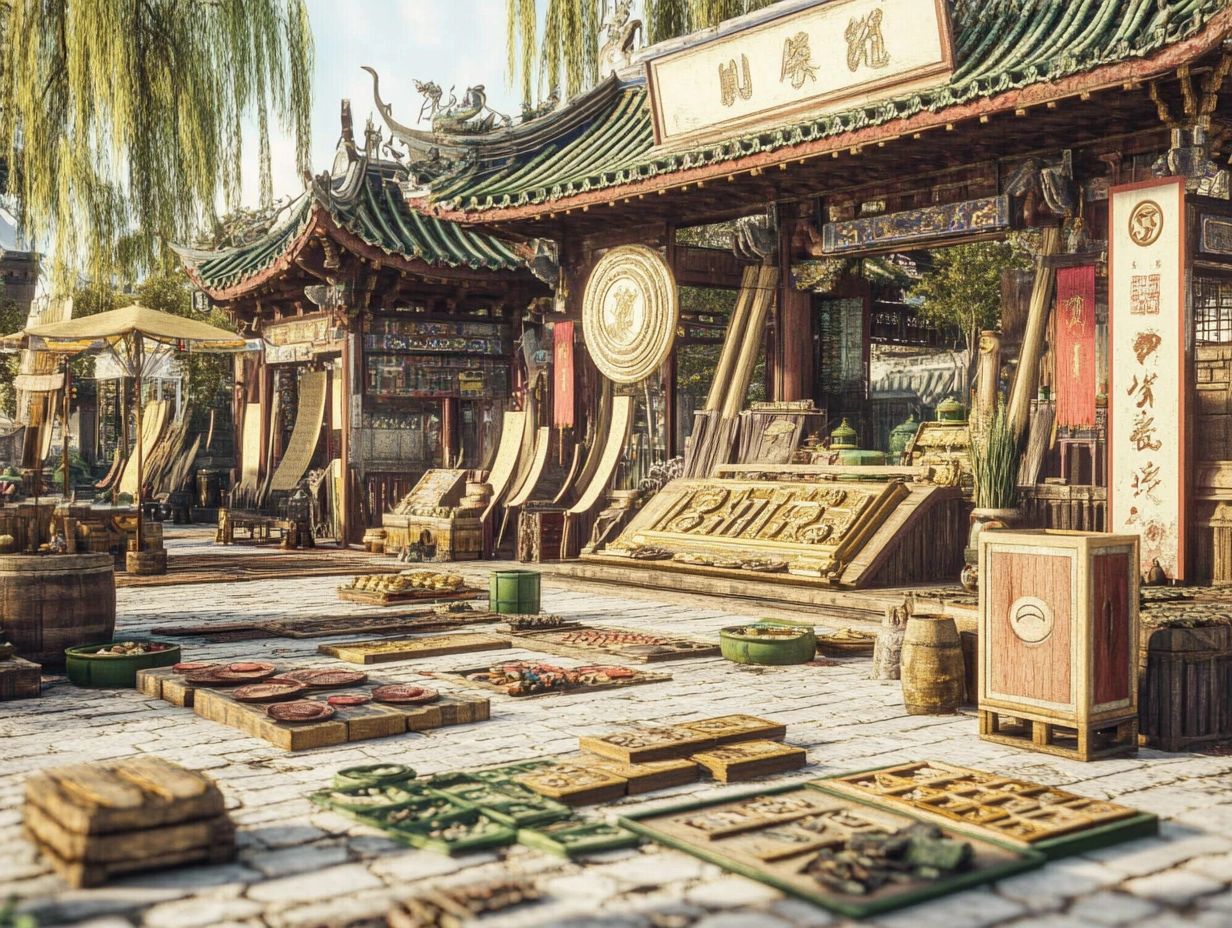
What we are seeing here is more than a game. It’s what Liu Chang from NetEase calls a “closed loop” between technology and culture.
AI supports the recreation of historical spaces and behaviors. Players’ curiosity drives new tech developments. And those technologies, in turn, improve how we capture and preserve cultural knowledge.
This model doesn’t consume physical resources. It’s low-impact, scalable, and regenerative. You can think of it as digital sustainability—where tradition is passed on not through bricks and scrolls, but through servers and code.
It’s also more inclusive. Anyone with a smartphone can explore the cultural depth of ancient China—no passport or plane ticket is needed. But that curiosity will also lead to real-life cultural exploration and interaction when the time and conditions are right.
What This Means for Us
So what does this mean for our collective future?
It means games are not just platforms for leisure—they are learning laboratories. They can scale empathy. They can help young people see the world not just as it is, but as it was, and as it could be.
Games don’t replace classrooms—but they extend them. They don’t replace museums—but they amplify them.
And when infused with AI, they become dynamic spaces of co-creation—where players are not just consumers of culture, but curators and storytellers themselves.
This is exactly what AIMS 2025 is advocating, the human-centered AI for an inclusive and sustainable future, not just for tangible resources like water and forests, but also for intangible resources like culture and heritage.
Let’s Co-Create the Future
So here’s my call to action—for developers, educators, and leaders in this room.
Developers: Design with depth. Partner with historians, artists, and educators. Let culture be your engine, not just your backdrop.
Educators: Recognize the potential of games in your toolkit. Use them to awaken curiosity, especially in students who don’t respond to conventional methods.
Leaders and policymakers: Invest in what I call playful preservation. See games not just as entertainment exports—but as cultural infrastructure for the future.
Let’s make sure that the generation to come not only learns history, but lives it—through experiences that are meaningful, immersive, and shared.
Because when we combine AI, gaming, and cultural understanding, we don’t just teach — we pass on cultural identity and heritage, shaping how future generations connect with who they are, with pride and purpose.
Thank you.