

Understanding the Differences Between Expats, Immigrants, and Other Global Movers
Millions of people live outside their countries of origin. Some move for work, others for safety, and some for the sheer adventure of experiencing a new culture. But terms like expat, immigrant, migrant, and refugee always create confusion. These labels carry different meanings and implications, and understanding their differences is important for better conversations about global mobility.
Expats: The Lifestyle Seekers
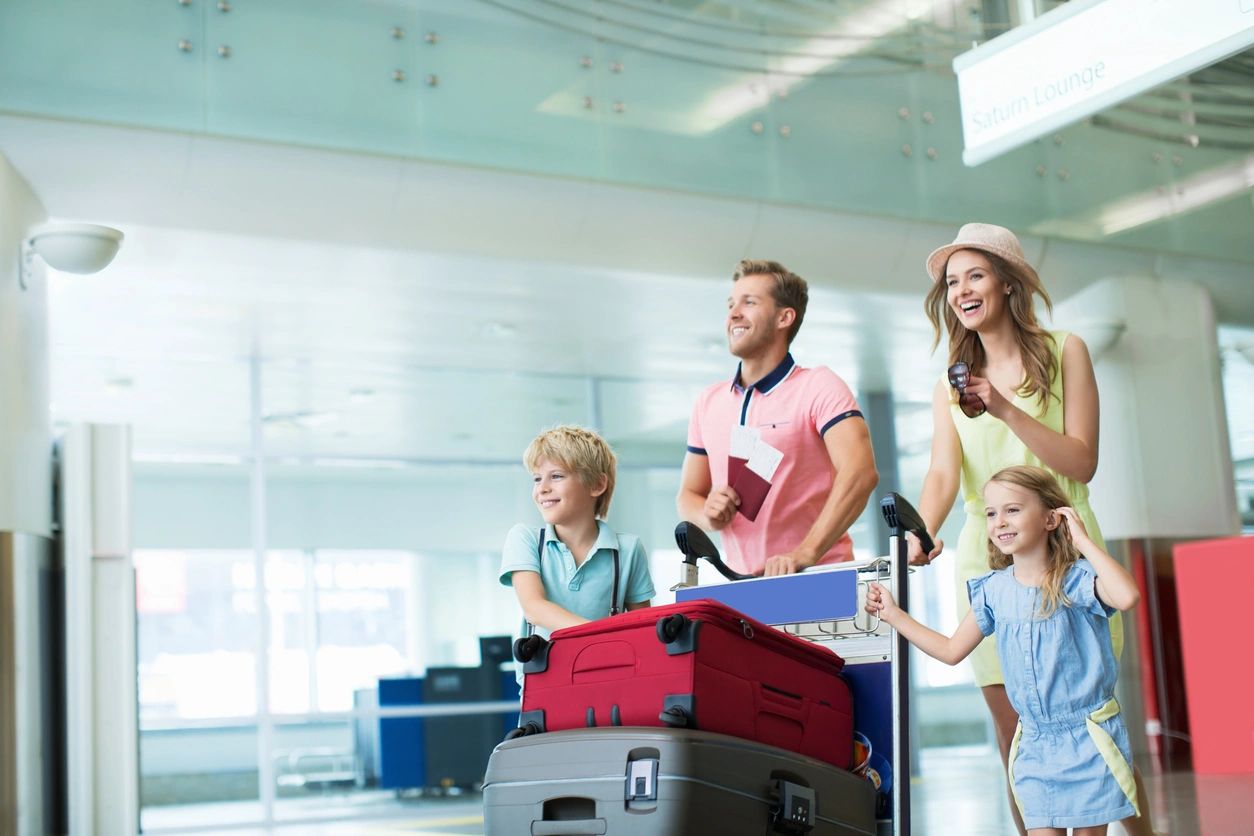
The word expat, short for expatriate, describes someone who temporarily or permanently resides in a country other than their native one. Expats are often associated with professionals, retirees, or digital nomads who relocate for career opportunities, a change of pace, or a better quality of life.
Key Characteristics of Expats:
- Purpose: Primarily voluntary, often tied to work, lifestyle, or adventure.
- Connotations: The term frequently implies privilege and a certain degree of economic freedom.
- Examples: A software engineer from Germany working in Silicon Valley or a retired Canadian couple living in Portugal.
Expats typically maintain strong ties to their home country and may not seek permanent residency or citizenship in their host country. This distinguishes them from other groups, like immigrants.
Immigrants: The Settlers
Immigrants move to another country with the intention of settling, often permanently. While the reasons vary better economic opportunities, family reunification, or escaping hardship immigrants often undergo complex legal processes to secure residency or citizenship.
Key Characteristics of Immigrants:
- Purpose: Long-term relocation, often for economic stability or safety.
- Connotations: Neutral but can carry social and political weight depending on context.
- Examples: A family from Syria rebuilding their lives in Germany or a student from India transitioning to permanent residency in Canada after graduation.
Unlike expats, immigrants often seek integration into their new country’s social, cultural, and political fabric, aiming to build a permanent home.
Other Global Movers
Migrant
A broad term, migrant encompasses anyone who moves from one place to another, either within their own country or internationally. Migrants may move for seasonal work, better opportunities, or family reasons.
- Example: Seasonal agricultural workers traveling between Mexico and the U.S.
Refugee
A refugee is someone forced to flee their country due to persecution, war, or violence. They are protected under international law, often after applying for asylum.
- Example: A family escaping conflict in Ukraine and resettling in Poland.
Asylee (Asylum Seeker)
An asylee is similar to a refugee but is awaiting official recognition of their status.
- Example: An individual fleeing political persecution in Venezuela and applying for asylum in Spain.
Diaspora
A diaspora refers to a community of people from a specific region or country living abroad, often united by shared heritage or culture.
- Example: The Nigerian diaspora in the United States.
Digital Nomad
Digital nomads are a growing subset of expats who work remotely while traveling between countries.
- Example: A graphic designer living in Bali, Thailand, and Portugal over the course of a year.
Key Differences at a Glance
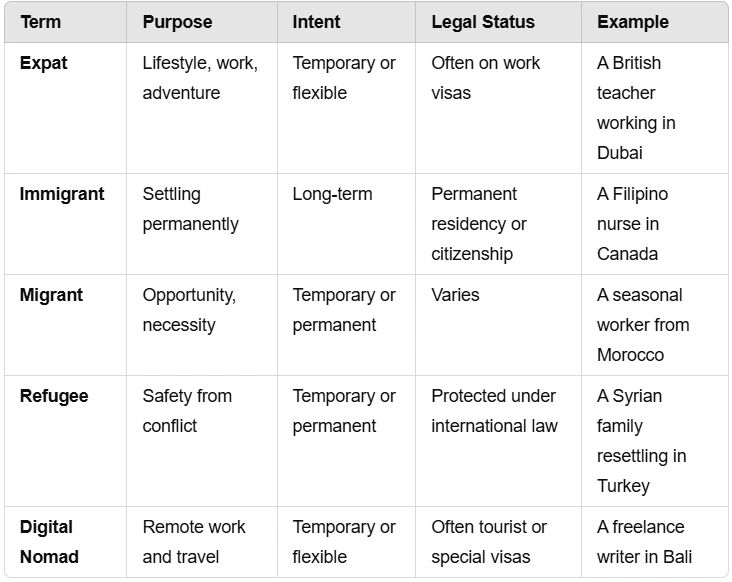
Each group has different reasons for moving, different plans for how long they will stay, and different legal hoops to jump through. These differences can shape how they are seen and treated.
Statistical Insights
Global mobility is on the rise, reflecting the interconnectedness of our modern world. According to the United Nations, over 280 million people lived outside their country of birth in 2022, representing 3.6% of the global population. These movements are driven by diverse motivations, from economic opportunities to safety and adventure.
- India: With over 18 million people living abroad, India has the world’s largest diaspora, contributing significantly to global remittances (over $87 billion in 2021).
- Mexico: Approximately 11 million Mexicans live in the United States, primarily for work opportunities, forming one of the largest immigrant communities in the world.
- Syria: The ongoing crisis has resulted in more than 6.8 million refugees, many resettling in Turkey, Germany, and other European nations.
- China: The Chinese diaspora numbers over 10 million, with significant populations in Southeast Asia, North America, and Europe, driving international trade and cultural exchange.
- United States: The U.S. is home to over 45 million immigrants, accounting for about 14% of its population, showcasing its historical role as a destination for global movers.
- Philippines: Around 2.2 million Filipinos work abroad as Overseas Filipino Workers (OFWs), many in the Middle East and North America, supporting families through remittances.
These statistics underscore the vast scale and diversity of global mobility, showing how individuals from all corners of the world contribute to economic growth, cultural enrichment, and humanitarian resilience.
Cultural Contributions
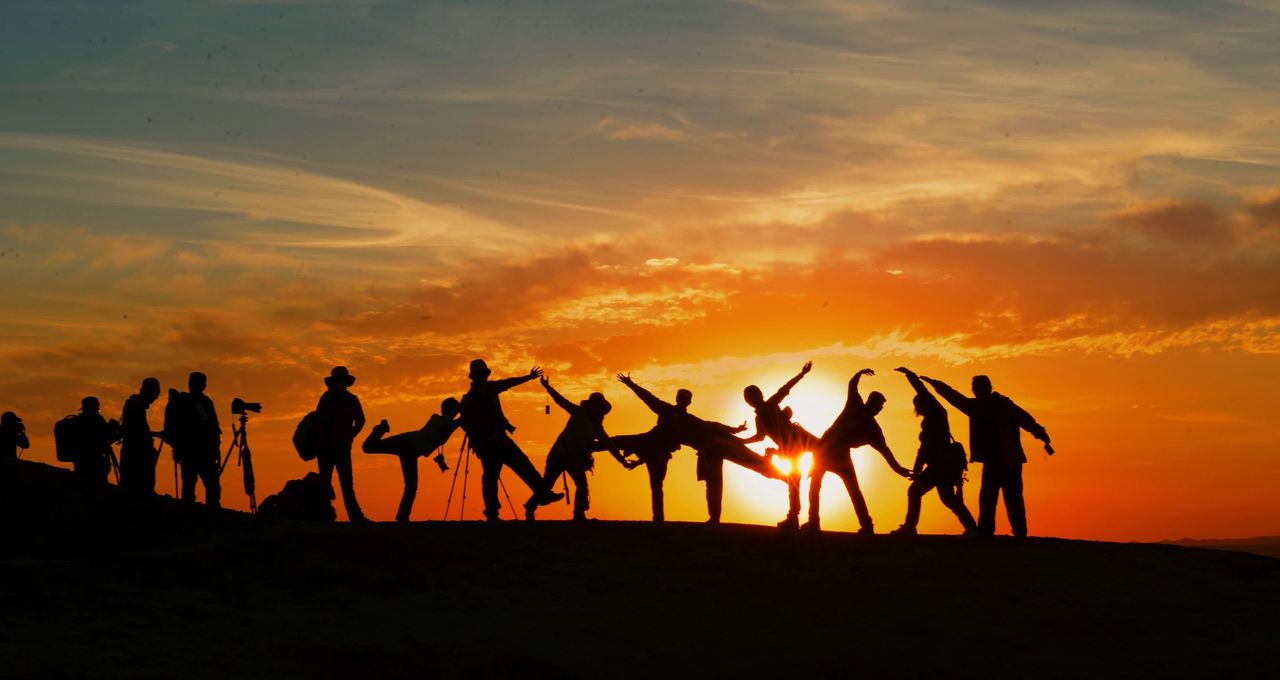
Global movers like expats, immigrants, refugees, or digital nomads bring rich cultural influences that shape and enhance the societies they become a part of. From arts and cuisine to technology and entrepreneurship, their contributions ripple through industries and communities worldwide.
1. Enriching Local Cultures
- Cuisine: Immigrants have introduced diverse culinary traditions to their host countries, from Indian curries in the UK to Mexican tacos in the US. These dishes not only offer new flavors but also tell stories of heritage and migration.
- Music and Arts: Diaspora communities have created global music trends, such as Afrobeat from the Nigerian diaspora or K-pop’s rise through Korean expats. Refugees have also revitalized artistic scenes, bringing unique perspectives shaped by their experiences.
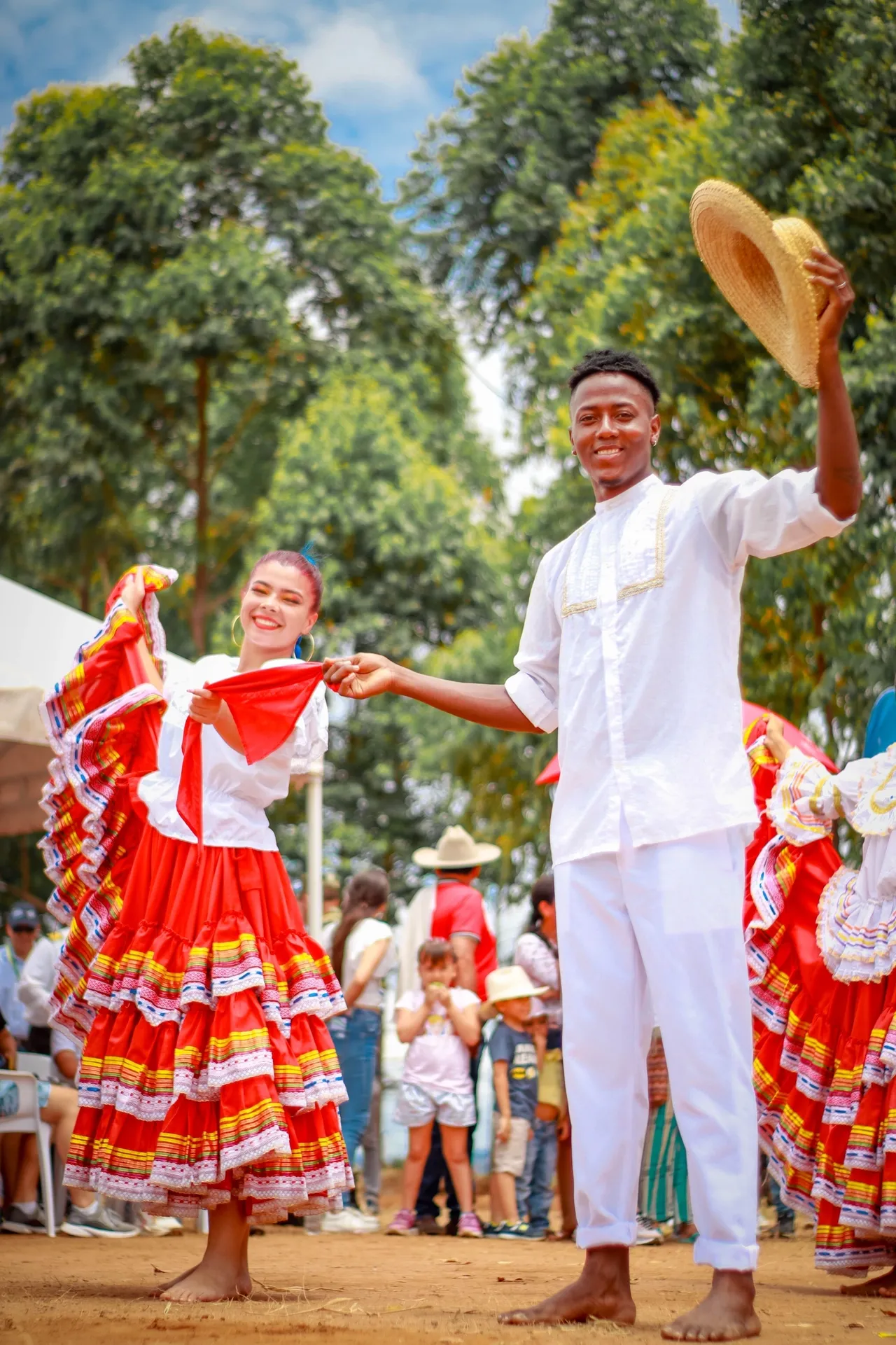
- Festivals: Events like Lunar New Year celebrations in the US or Diwali festivals in Canada showcase cultural diversity, fostering community connections and mutual appreciation.
2. Driving Innovation and Entrepreneurship
- Startups and Businesses: Expats and immigrants often fuel economic growth by founding companies. For example, immigrants founded 55% of the unicorn startups in the United States, including Google and Tesla.
- Digital Nomads: This group has spurred the growth of co-working spaces, remote work technology, and digital infrastructure in countries like Thailand, Portugal, and Indonesia, making these destinations hubs of innovation.
- Knowledge Exchange: Migrants bring new skills and ideas, fostering cross-pollination of expertise. For instance, scientists from diverse backgrounds collaborate on global research projects, advancing fields like medicine and climate science.
3. Strengthening Social Ties
- Community Building: Refugees and immigrants often rebuild their lives by creating tightly knit communities, which support social cohesion and local economies. Examples include the Somali community in Minneapolis or Syrian entrepreneurs in Istanbul.
- Language Exchange: Living among global movers exposes local populations to new languages and dialects, promoting multilingualism and cross-cultural understanding.
4. Revitalizing Aging Populations
In many developed nations with aging populations, immigrants fill vital roles in healthcare, education, and other essential services, ensuring the continuity of these sectors. For instance, migrant healthcare workers make up a significant percentage of the workforce in countries like the UK and Germany.
5. Cultural Diplomacy and Representation
- Sports: Athletes from immigrant and diaspora communities represent their host nations on international stages, breaking barriers and fostering national pride. Think of Mo Farah, a Somali-born British Olympian, or Naomi Osaka, a Japanese-Haitian tennis champion.
- Film and Media: Filmmakers and artists from migrant backgrounds have brought diverse narratives to global audiences, from Bong Joon-ho’s Parasite to Riz Ahmed’s exploration of identity in Sound of Metal.
6. Reviving Rural Areas
In countries like Italy and Spain, immigrants have revitalized rural towns suffering from population decline. By starting businesses, reopening schools, and integrating into local life, they breathe new life into struggling regions.
7. Advocating for Inclusion and Equity
Global movers often become advocates for inclusion, equity, and representation, inspiring social change. Their voices challenge stereotypes and encourage more inclusive policies, making host societies more welcoming for future generations.
Why Understanding Terms Matters
The words we use to describe global movers affect how they are perceived and treated. While an expat might be seen as adventurous and ambitious, an immigrant might face stereotypes or systemic barriers. Recognizing these nuances helps us move beyond labels and appreciate the individual stories behind them.
Once we understand the differences, we can create empathy and ensure that policies, workplace cultures, and social narratives reflect the diversity of experiences that make up the global movement of people. Whether someone is seeking opportunity, safety, or a new adventure, every journey matters.
Do you identify as an expat, immigrant, or digital nomad? Share your experiences below!
Resources Section
- Expats: Internations
- Immigrants: Migration Policy Institute
- Refugees: UNHCR
- Digital Nomads: Nomad List
Share this post: