

Beyond the Camel Ride: Cultivating an Open Mind for Cultural Diversity
By Liu Liu – LIC Board Member
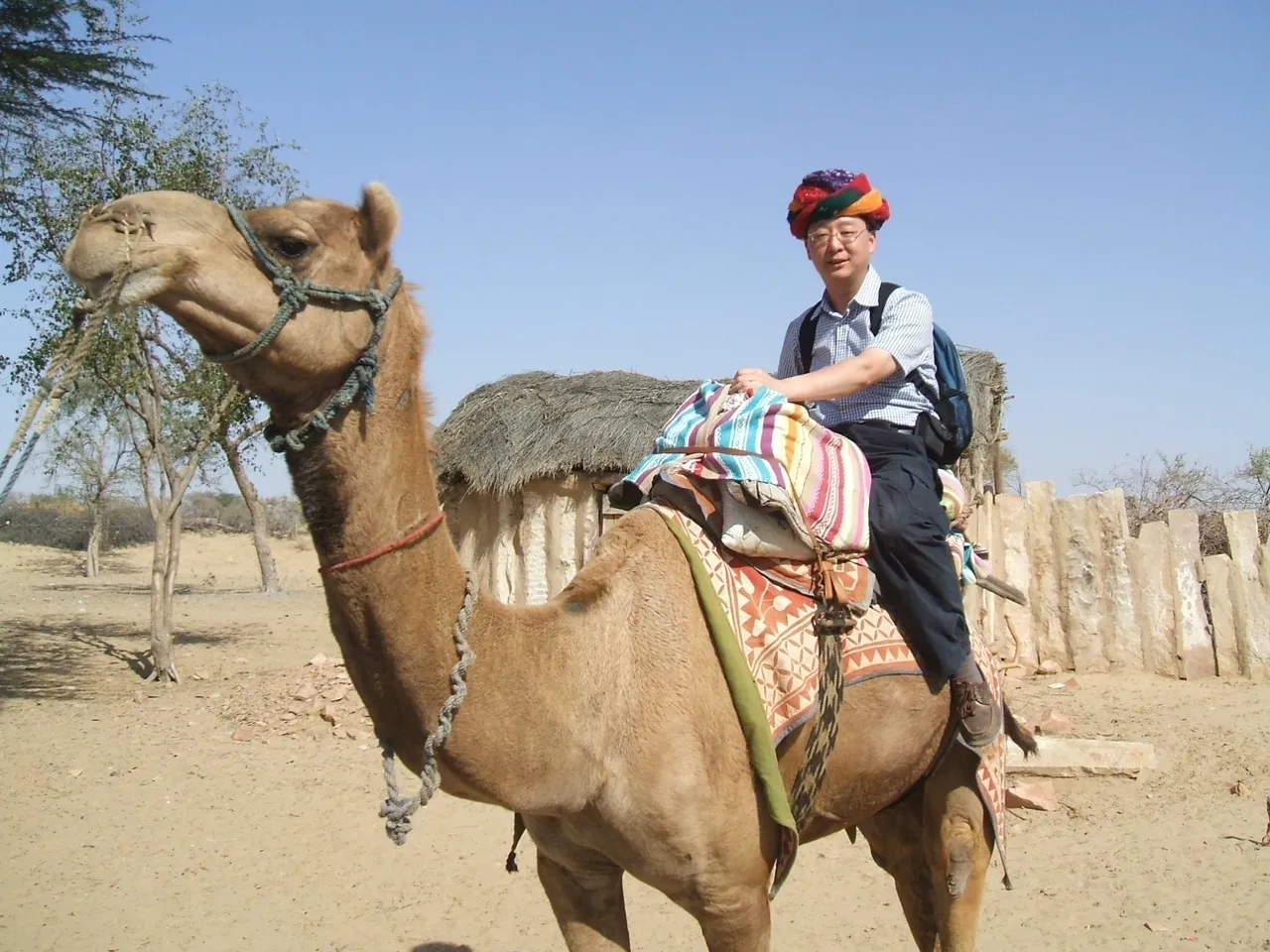
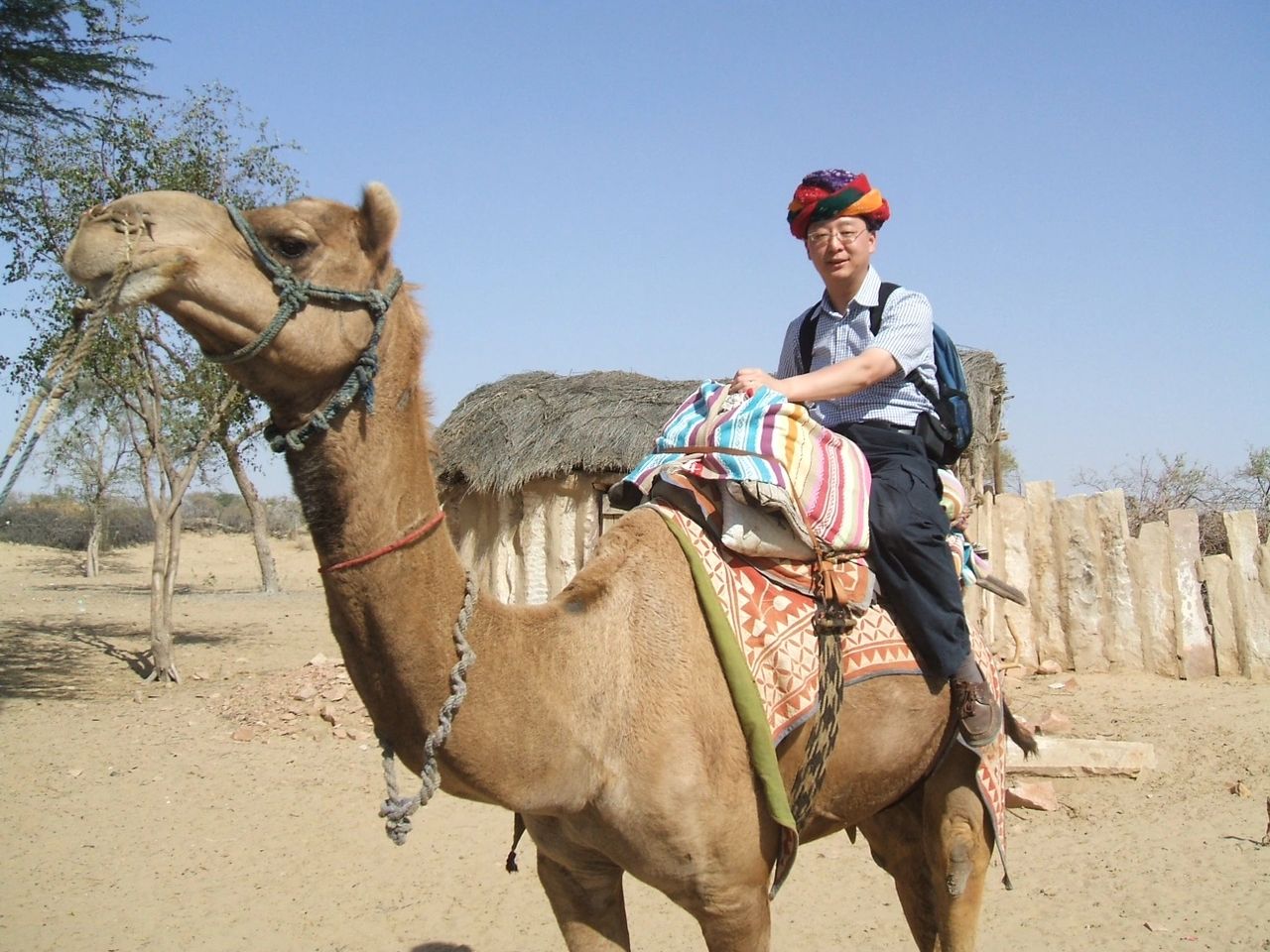
I love this photo of me riding a camel in Rajasthan, India when I visited India for the first time back in 2007. Since then I have been to India many times. The camel I rode belonged to a caravan owner, it is the way local people traveled across the desert, and it is not for the tourists. The organization I worked with was working with the local communities to install water pumps for the local community. For me, it is important to have a deep cultural experience as the local people and try to see things through their perspective and feel their way of living as much as possible.
Riding a camel is a symbol of my open and learning mindset towards a different culture, without pre-perception, without judgment and genuinely wanting to learn and understand.
Breaking Free from the “My Way or the Highway” Mentality
When we are faced with cultural diversity, it is very natural to feel my way is the “right way” and “only way” of doing things, and other approaches and methods are just not as good. In the study of culture, there is a term for that, it is called ethnocentrism, meaning “to apply one’s own culture or ethnicity as a frame of reference to judge other cultures, practices, behaviors, beliefs, and people, instead of using the standards of the particular culture involved.” This kind of judgment is often negative. In one episode of the Deep Culture Podcast, Emre Seven and Joseph Shaules from the Japan Intercultural Institute explore what brain and mind sciences can tell us about ethnocentrism, how it is a learned experience, and how it can lead to being judgemental towards other cultures and cultural practice and lead to a closed mindset towards a different culture.
Embracing Differences
Another area that can test a person’s mindset towards cultural diversity is what people eat and how people eat in different cultures. In China, Japan, Korea, and Taiwan people use chopsticks, and in the UK, USA, and Europe people use a knife and fork. There are different norms in different regions when it comes to chopsticks, and so is the way people use knives and forks. Of course, there are people in Thailand, Laos, and some southeast countries who use spoon and fork, plus chopsticks.
It is also on this first trip to India, I learned to eat with my hand. I carefully observed my Indian colleagues how to use their fingers to mix the rice with the curry, roll it into a small ball in their hand, and gently push it into the moth without the food running out of their hands and going all over their clothes. Later on in my travel, I learned that people in the Middle East and West Africa people eat rice with their hands very differently from how Indian does.
Now I want to ask you if you can learn and master the way how local people eat in different countries without judging, or are you someone who carries your own travel knife and fork wherever you go?
A World of Flavors (Literally!)

When it comes to what people eat and drink, alcohol and nonalcoholic is another story. Over the years, I drank chai in India, Bangladesh, and Pakistan eucalyptus tea in South Chad, millet milk in Burkina Faso, fresh coffee made with cardamom and fresh ginger in Dhafar, Sudan, and I am fortunate that I had them not in hotel, but in people’s home and villages. What would you do if you were invited to have a meal and the dish is rehydrated okra with goat stew? The texture is like glue warmed up.
We’ve all been there – feeling like our way is the “right” way. That’s ethnocentrism in action! But cultural diversity is a global spice rack, not a bland one-size-fits-all. Here are some tips to help you to spice things up in a good way.
Do’s and Don’ts for an Open Cultural Mindset:
Do:
● Be a Student: Approach each culture with a desire to learn. Ask questions (respectfully) and observe how locals interact.
● Embrace New Experiences: Step outside your comfort zone. Try new foods, even if they seem unusual.
● Practice Empathy: See the world through others’ eyes. What are their customs, traditions, and values?
Don’t:
● Judge: Remember, different doesn’t mean wrong.
● Assume You Know Best: Avoid imposing your own cultural norms on others.
● Be Afraid to Fail: Trying (and maybe fumbling) to eat with chopsticks is part of the learning process.
So, the next time you’re offered rehydrated okra with goat stew, take a deep breath and dig in! It might become your new favorite dish (or not!), but the experience will undoubtedly broaden your horizons.
Remember, traveling to and living in a different culture is a privilege and honor to be welcomed in by the local people, and is a transformative journey, not the destination. Embrace the adventure and let cultural diversity enrich your life!