

Digital Nomads and their Impact on Culture
By Sekayi M – LIC Board Member
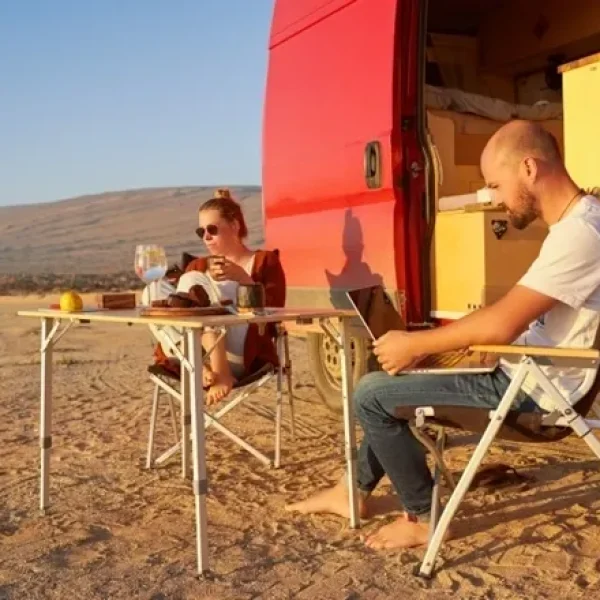
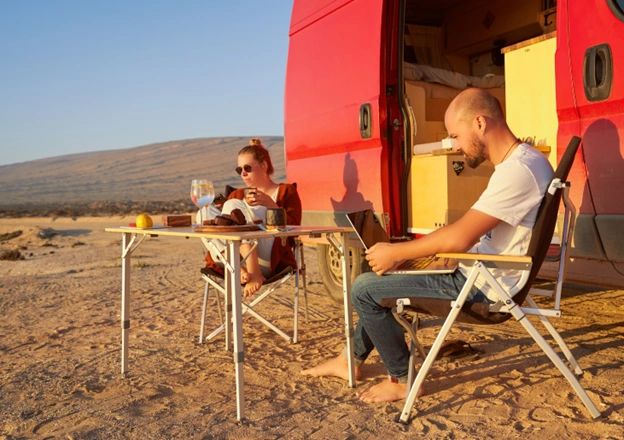
Digital nomads are a diverse cohort of remote workers, freelancers, and self-employed professionals, who leverage technology to work from any location. They travel across their own country or explore foreign shores and the web is their vital connection, facilitating access to family, job opportunities, colleagues, and clients. Their stints in remote work may range from shorter intervals to longer durations.
In 2018, the number of digital nomads stood at approximately 4.8 million, soaring to an astonishing 35 million in 2023, primarily fueled by increased remote working during the pandemic. Amongst them, roughly half are from the United States followed with a mix from the UK, Russia, Canada, and Germany. The demographic breakdown reveals that 47% of digital nomads are in their 30s, followed by those in their 40s and 50s. In terms of gender distribution, 58% are men, while 41% are women, with a slight majority, 54%, being married or cohabiting with a long-term partner.
In terms of educational attainment, 54% hold a Bachelor’s degree, while 34% have attained a Master’s degree, and a mere 3% possess a PhD. The majority, comprising of 60%, opt to work from home, while 15% prefer the ambiance of co-working spaces. Financially, digital nomads typically earn an average annual income ranging between $50,000 to $250,000 with software developers making up the majority in terms of profession followed by startup founders and marketers.
Interestingly, 54% of digital nomads identify as non-religious, showcasing the diversity within this dynamic and growing community. The primary drivers for embracing this lifestyle are the freedom it offers in terms of work, schedule, and location flexibility. Following closely behind are the financial benefits derived from this mode of living in predominantly lower cost regions. Preferred destinations for digital nomads include: Thailand, Portugal, Spain, Mexico, Costa Rica, and Vietnam with London being the most visited city by digital nomads. These locations not only offer a conducive environment for remote work but also boast a rich diversity of cultural experiences and amenities that cater to the nomadic lifestyle. 57% opt to stay in one country for up to 30 days, embracing a sense of constant movement and exploration. Another 27% extend their stays slightly for up to 90 days immersing themselves more deeply in the local culture and rhythm of life. Interestingly, only 13% choose to remain in a single country for longer durations.

Despite the allure of the nomadic lifestyle, it presents its fair share of challenges. These include navigating immigration and travel logistics, ensuring reliable technology infrastructure, prioritizing safety, coping with time zone differences, and maintaining a healthy work-life balance.
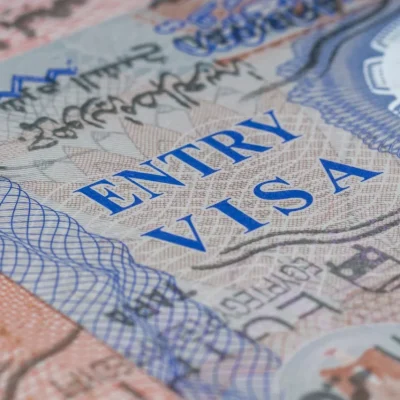
In response to the growing global demand for nomadic lifestyles, many countries, particularly in Europe, have introduced digital nomad visas. However, the varying requirements for paperwork, length of stay, and minimum earnings across different countries contribute to the low percentage of digital nomads staying longer than 30 days, which is typically the standard time allocation for tourists. Enhanced clarity and more consistent visa requirements could potentially encourage longer stays and bolster digital nomads’ contributions to the economies of host countries.
Additionally, digital nomads struggle with managing their belongings and properties in their home countries while they are away, adding another layer of complexity to their travel logistics. Finding solutions to these logistical challenges could further facilitate the nomadic lifestyle and enhance its appeal to remote workers worldwide.
For digital nomads, reliable Wi-Fi and network speeds are paramount as they heavily rely on these resources. Countries offering robust technology infrastructure are highly favored, particularly as new technology platforms continue to emerge, giving rise to more lifestyle careers.

Safety is a significant concern for digital nomads, including: personal, technological, and property security. They must also stay informed about the political climates of the countries they visit and be aware of the support available from their home embassies in case of emergencies. Financial disparities in certain regions frequented by nomads can make them targets for various crimes, including cybercrime. While insurance is often mandated in many countries to cover potential losses, some losses are irreplaceable.
Managing projects with colleagues, clients, and customers across different time zones poses challenges for digital nomads, often leading to fatigue and straining their work-life balance. In today’s hyper-connected world, where instant responses are expected, days can extend beyond reasonable working hours, further complicating the balance between work and personal life for nomads.
While digital nomads undeniably contribute to local economies, a significant challenge lies in the impact of their constant circulation on local environments. This includes heightened financial pressures, disruptions to local customs, and language barriers.
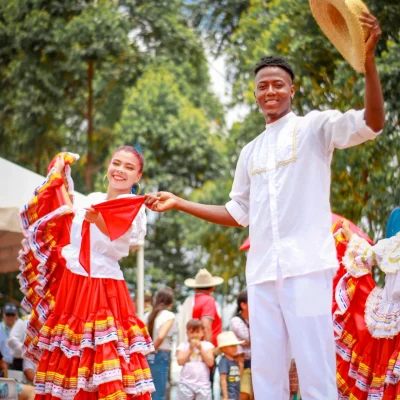
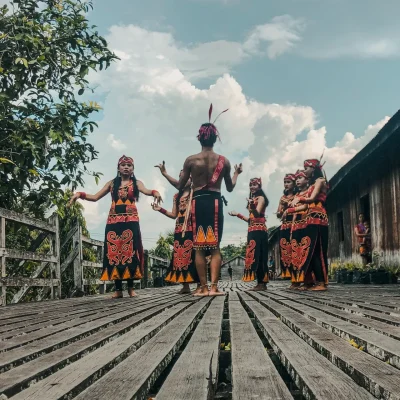
The influx of foreign visitors and digital nomads often leads to increased demand for rental properties and basic necessities, causing prices to surge. This, in turn, can render previously affordable living arrangements inaccessible to local residents, forcing them away from their traditional communities. Consequently, there’s a risk of cultural displacement as local customs, languages, and cuisines are overshadowed or altered to cater to the preferences of visitors.
For instance, in destinations like Medellin, Colombia, where the average salary is modest, skyrocketing rents have strained the local populace, with once-affordable accommodations becoming unattainable. Similar scenarios unfold in places like Mexico, where previously reasonable rent prices have soared beyond the means of local residents. Such economic disparities can fuel resentment among locals towards the growing presence of digital nomads and other visitors. Finding a balance that benefits both nomads and local communities is essential to ensure sustainable growth and cultural preservation.

Having explored digital nomads and the myriad challenges they face in embracing this burgeoning lifestyle, it’s clear that the trend is poised for further expansion. Notably, the demographic of digital nomads is expected to diversify, with women increasingly participating in this mobile lifestyle.
Moreover, as the phenomenon gains momentum, additional destinations are anticipated to become more accommodating to digital nomads. Countries such as Croatia, Chile, South Africa, and the United Arab Emirates are positioning themselves to attract and support this growing community, offering infrastructure and resources tailored to the needs of remote workers.
With these developments on the horizon, the digital nomad movement is poised to continue its upward trajectory, reshaping not only the way people work and travel but also influencing the cultural landscapes of destinations worldwide.