

Intercultural Communication
Strategies and Training
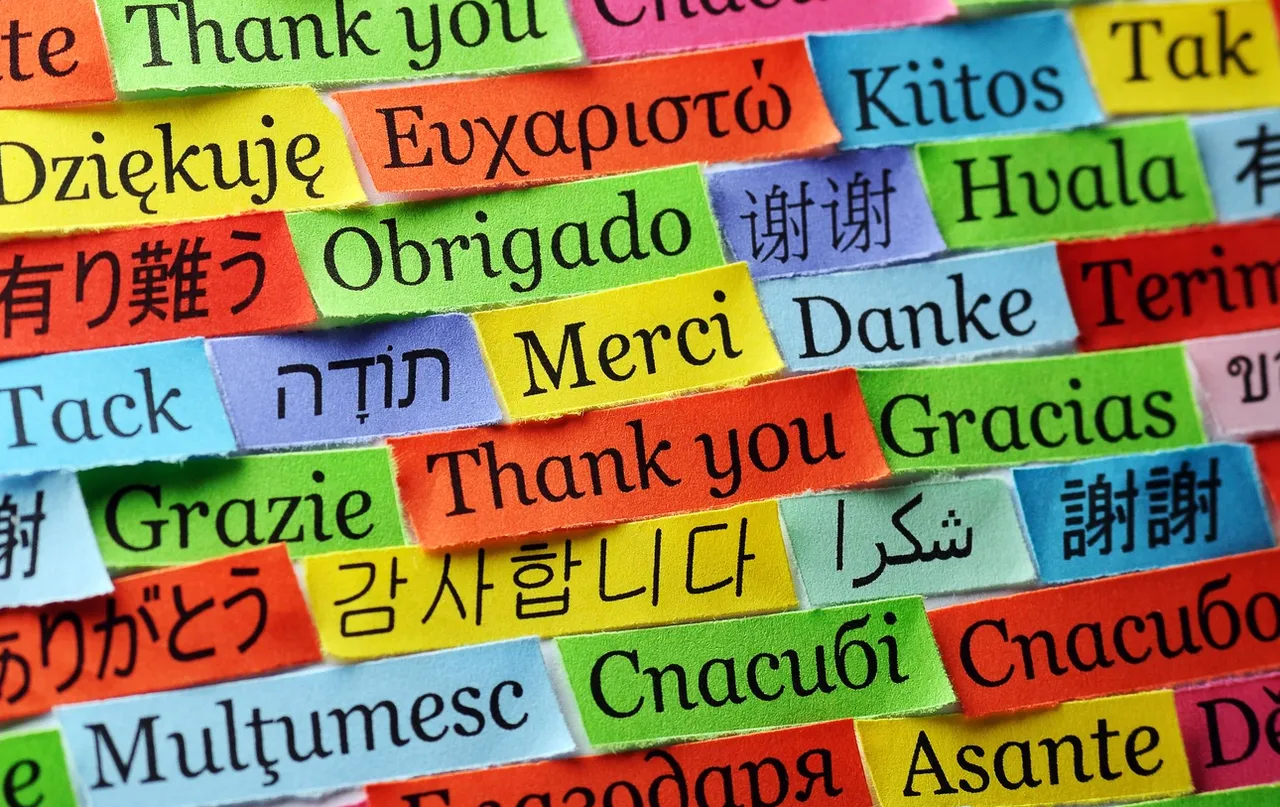
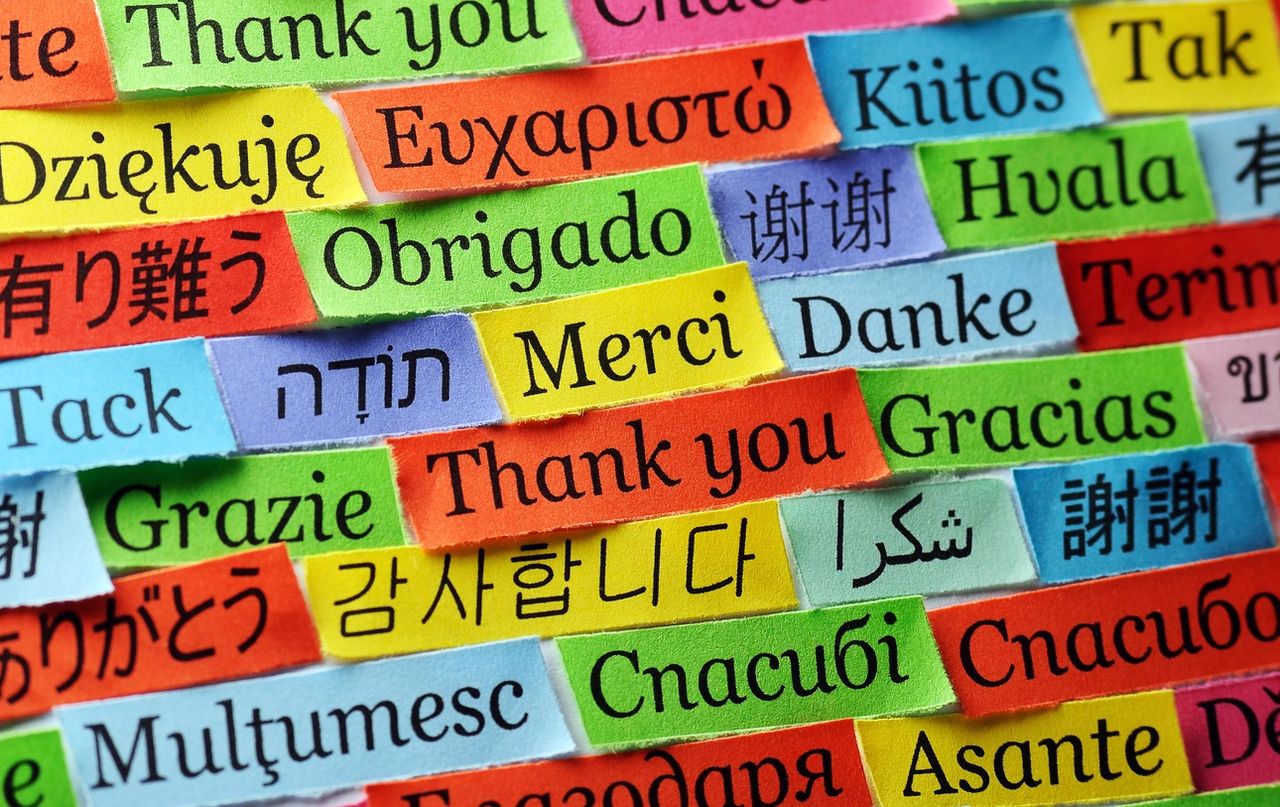
Intercultural communication is all about sharing information between people or groups who come from different cultures. It’s about understanding and sending messages in a way that works across different cultural contexts. To do this well, you need to have a good understanding of cultural differences, how people communicate, and what’s considered normal in each culture.
What is Intercultural Communication?
Understanding intercultural communication involves recognising the complexities of interacting with people from different cultural backgrounds. It requires developing intercultural communication skills to navigate through linguistic, behavioral, and perceptual differences. Challenges in intercultural communication may arise from differences in language, non-verbal cues, and societal norms.
There are numerous benefits of effective intercultural communication. It can lead to improved relationships, enhanced creativity and problem-solving, and a more inclusive and diverse work environment. Effective intercultural communication can break down barriers, foster cooperation, and create opportunities for mutual understanding and growth.
Why is Cross-Cultural Communication Important?
Cross-cultural communication is crucial for the globalised workplace. The impact of cross-cultural communication in the workplace cannot be understated. It influences teamwork, decision-making, conflict resolution, and overall productivity. Communication strategies for the global workforce involve developing a deep understanding of diverse cultural nuances, active listening, and adaptability.
Developing intercultural communication skills is vital for fostering inclusive and respectful communication. It involves acknowledging and valuing different communication styles, adapting to various cultural norms, and being open to different perspectives. Misunderstandings in intercultural communication can be mitigated by promoting an environment of inclusivity, where differences are celebrated and leveraged for collective success.
How does Communication Training Help in Intercultural Settings?
Communication training plays a pivotal role in enhancing intercultural communication skills. It focuses on developing effective communication skills in different cultures, understanding cultural communication etiquette, and inclusivity. Overcoming misunderstandings in intercultural communication requires a deep understanding of cultural identities and effective strategies for bridging communication gaps.
Cultural communication etiquette and inclusivity are critical components of cross-cultural communication. Effective communication training helps individuals recognize and respect different cultural backgrounds, thereby contributing to more harmonious interactions and enhanced collaboration in diverse settings.
What are the Key Components of Intercultural Communication Training?
Intercultural communication training involves understanding cultural differences and backgrounds, effective strategies for inclusive communication, and the impact of etiquette in cross-cultural communication. It aims to enhance intercultural competence by promoting an understanding of different cultural contexts, fostering effective cross-cultural communication, and building cultural intelligence.
The impact of etiquette in cross-cultural communication cannot be overlooked. It shapes how individuals perceive and interact with one another, and it greatly influences the success of intercultural exchanges. By incorporating these key components into training programs, individuals and organizations can improve intercultural communication skills and strengthen relationships across diverse cultural backgrounds.
How Can Intercultural Communication Training Benefit Global Businesses?
Intercultural communication training benefits global businesses by enhancing cross-cultural collaboration, building effective intercultural communication in the workplace, and recognizing the importance of intercultural communication in a globalized world. It equips employees with the necessary tools to navigate through diverse cultural settings, cultivate strong relationships with clients and partners from different cultures, and drive business success in a globalized marketplace.
Given the interconnected nature of today’s global economy, intercultural communication has become increasingly essential. Organisations that prioritise intercultural communication training foster an environment of understanding, respect, and collaboration, which are crucial for adapting to the ever-evolving global business landscape.