
Events Promoting Intercultural
Dialogue and Understanding
Intercultural dialogue refers to the open and respectful exchange of views between individuals from different cultural backgrounds. It involves the willingness to listen and learn from one another, embracing the diversity that each culture brings to the table. Through intercultural dialogue, people can bridge the gap between their differences and find common ground, leading to a better mutual understanding.
What is Intercultural Dialogue All About?
Intercultural dialogue promotes mutual understanding by creating a space for people to engage in meaningful conversations about their cultures, traditions, and values. This exchange of ideas helps in breaking down stereotypes and misconceptions, fostering empathy and respect for one another’s cultural backgrounds.
Intercultural dialogue is important in a diverse society as it allows individuals to appreciate and celebrate cultural diversity. It provides a platform for people to learn from one another and build stronger, more inclusive communities. Through dialogue, misunderstandings can be resolved, and common goals can be identified, leading to a more harmonious society.
Events play a crucial role in promoting intercultural dialogue by bringing together people from diverse backgrounds in a shared space. They provide opportunities for individuals to interact, share their experiences, and gain insights into different cultures, ultimately fostering a sense of unity and collaboration.
How Do Events Unite People from Different Cultural Backgrounds?
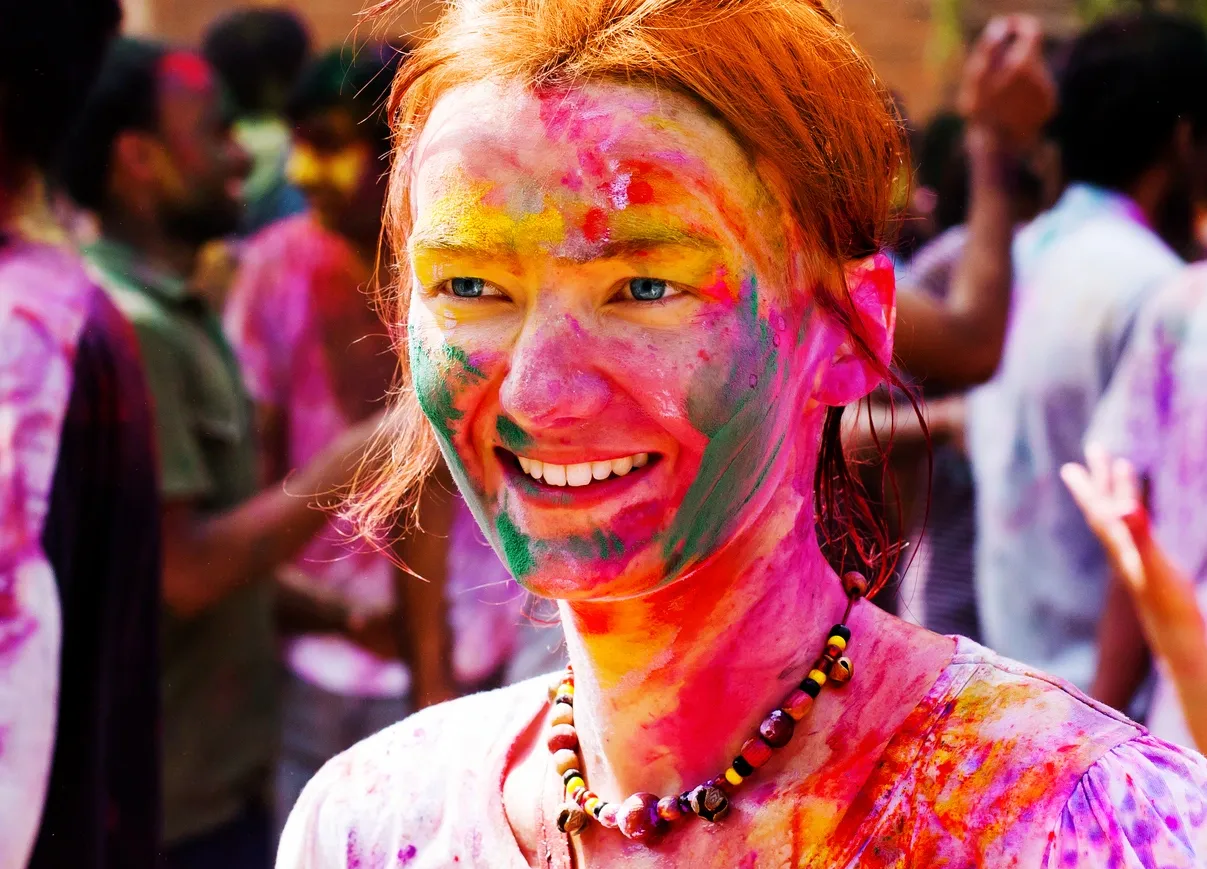
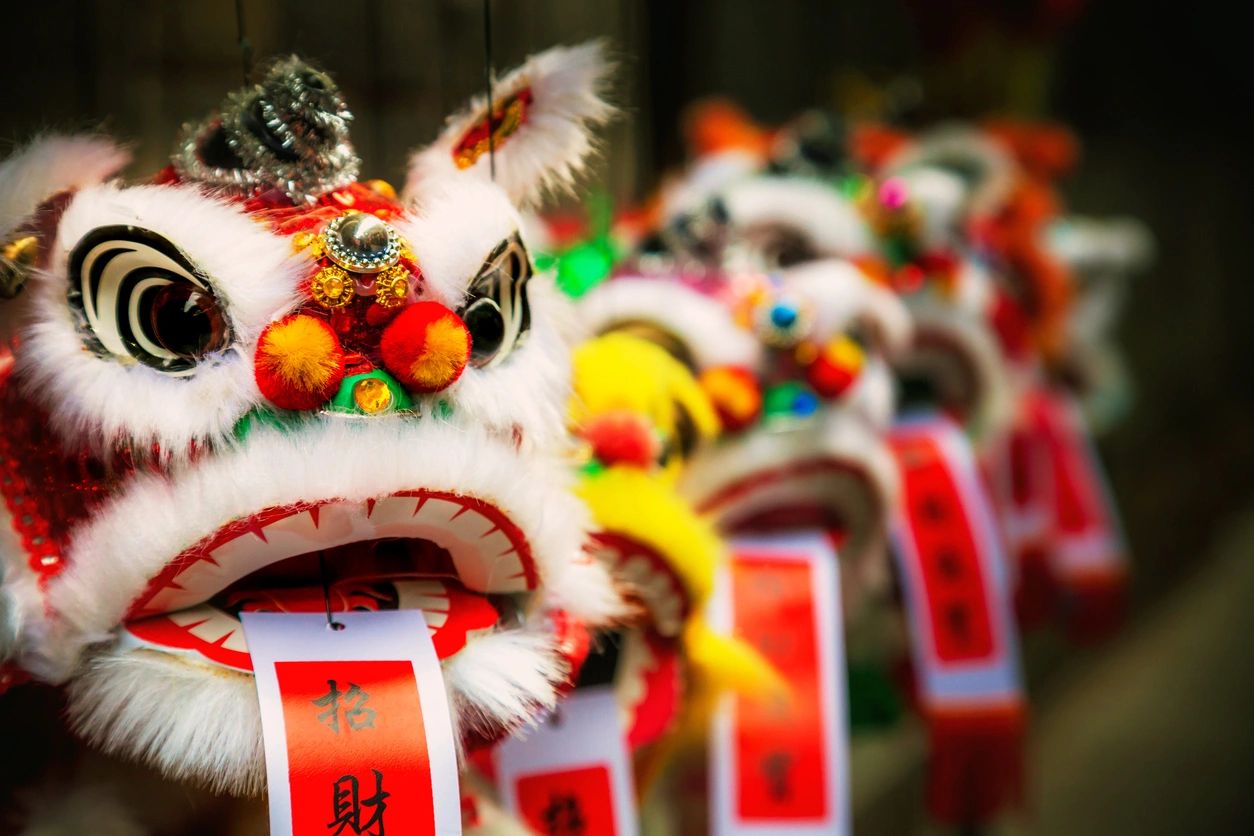
Various types of events can effectively promote intercultural unity, such as cultural festivals, art exhibitions, and international food fairs. These events offer a platform for individuals to showcase their cultural heritage, providing a rich and immersive experience for participants from different cultural backgrounds.
Sports events also play a significant role in promoting intercultural dialogue. Whether it’s a friendly football match or a global sports competition, sports have a unique ability to transcend cultural barriers and bring people together, fostering a sense of camaraderie and mutual respect.
Events facilitate the exchange of cultural diversity by creating opportunities for people to engage in meaningful interactions, learn from one another, and appreciate the richness of the world’s cultural tapestry.
What is the Role of Organisations in Promoting Intercultural Dialogue?
Organisations can foster dialogue and cooperation among different cultures by organizing workshops, seminars, and cultural exchange programs. Through these initiatives, they create a platform for individuals to engage in constructive discussions, share experiences, and form meaningful connections across cultural boundaries.
Furthermore, organisations can organise programmes that promote intercultural understanding, such as language classes, diversity training, and cultural immersion experiences. These initiatives help in breaking down communication barriers and promoting a deeper appreciation for cultural diversity.
Organisations also play a crucial role in recognizing and respecting the cultural identity of diverse communities. By creating inclusive environments and embracing diversity, organisations can foster a sense of belonging and unity among individuals from different cultural backgrounds.
How Can Events Contribute to Sustainable Intercultural Dialogue?
Implementing sustainable strategies is essential to ensure the longevity of intercultural dialogue through events. This can be achieved by developing long-term partnerships with cultural organizations, integrating intercultural dialogue into educational curricula, and supporting initiatives that promote cultural exchange and understanding.
Events contribute to the ongoing debate on intercultural understanding by serving as platforms for open discussions, cultural performances, and interactive activities that encourage participants to engage in meaningful dialogue and reflection on the importance of mutual understanding.
Key elements for organizing successful events that promote intercultural dialogue include creating inclusive and accessible spaces, providing opportunities for cross-cultural interactions, and engaging diverse communities in the planning and execution of the events.
What Are the Key Challenges in Promoting Intercultural Dialogue Through Events?
Barriers to intercultural dialogue can be overcome through events by actively promoting diversity and inclusion, providing language interpretation services, and addressing cultural sensitivity in event planning and execution. By consciously striving to create a welcoming and respectful environment, events can break down the barriers that hinder effective intercultural dialogue.
Potential risks of promoting intercultural dialogue through events include the inadvertent perpetuation of stereotypes, cultural appropriation, and the unintentional marginalization of certain cultural groups. It is essential for event organizers to be mindful of these risks and work towards creating events that are respectful, inclusive, and reflective of diverse cultural perspectives.
Events can effectively address the issue of cultural discrimination and biases by promoting cultural awareness, facilitating intercultural interactions, and providing a platform for open dialogue about the challenges and opportunities of cultural diversity. Through education and advocacy, events can play a significant role in fostering greater understanding and appreciation of diverse cultures.