

The Differences between Multicultural, Cross-Cultural, & Intercultural Communications
By Liu Liu | LIC Board Member
In today’s interconnected world, understanding different cultures is no longer a luxury, it’s a necessity. But navigating the complex terrain of terminology can be tricky and confusing. It can feel like deciphering hieroglyphics. Three words in particular are used interchangeably, they are multicultural, cross-cultural, and intercultural. But people often wonder, what is the difference?
Imagine a bustling marketplace buzzing with vendors from across the globe.
Multicultural is like the vibrant stalls bursting with unique flavors and colors. Each culture displays its distinct wares, attracting customers, but rarely mixing their ingredients. Here, cultures coexist, side-by-side, yet their interactions are minimal. It’s a celebration of diversity, but not necessarily a melting pot.
Cross-cultural is like a curious shopper comparing spices from different stalls. They analyze the differences, similarities, and potential pairings. This is the realm of research and comparison, where cultures are placed under a microscope for examination. It’s about understanding the “what” and “how” of different cultural practices.
But then comes intercultural, the adventurous gourmet who grabs ingredients from diverse stalls and concocts a mouthwatering fusion dish. It’s about the dynamic exchange, the mutual learning, and the emergence of something entirely new. Here, cultures don’t just coexist, they interact, influence, and transform each other.

I hope this analogy gives you a good “flavor” of the difference between these three terminologies. To put it in an orderly fashion, each terminology describes the different levels of engagement with different cultures.
Multicultural:
● Describes a society or environment where diverse cultural groups exist side-by-side.
● Focuses on the presence and coexistence of multiple cultures.
● Doesn’t necessarily imply interaction or exchange between cultures.
● Can sometimes imply a parallel existence with limited engagement.
Cross-cultural:
● Refers to the comparison or interaction between two or more distinct cultures.
● Focuses on the study and analysis of cultural differences and similarities.
● Often involves research, observation, and comparison of cultural aspects.
● May not always involve deep understanding or mutual learning.
Intercultural:
● Describes a dynamic process of interaction and exchange between cultural groups.
● Emphasizes mutual understanding, respect, and learning from each other’s cultures.
● Aims to build relationships, bridge differences, and foster collaboration.
● Goes beyond mere coexistence to create a space for cultural blending and growth.
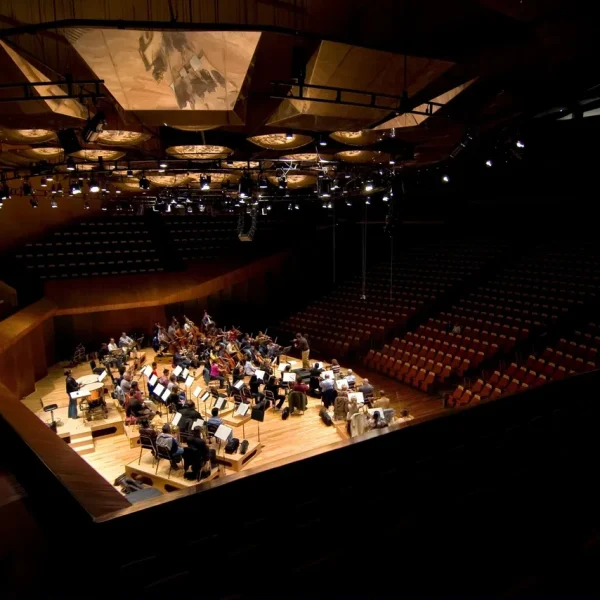
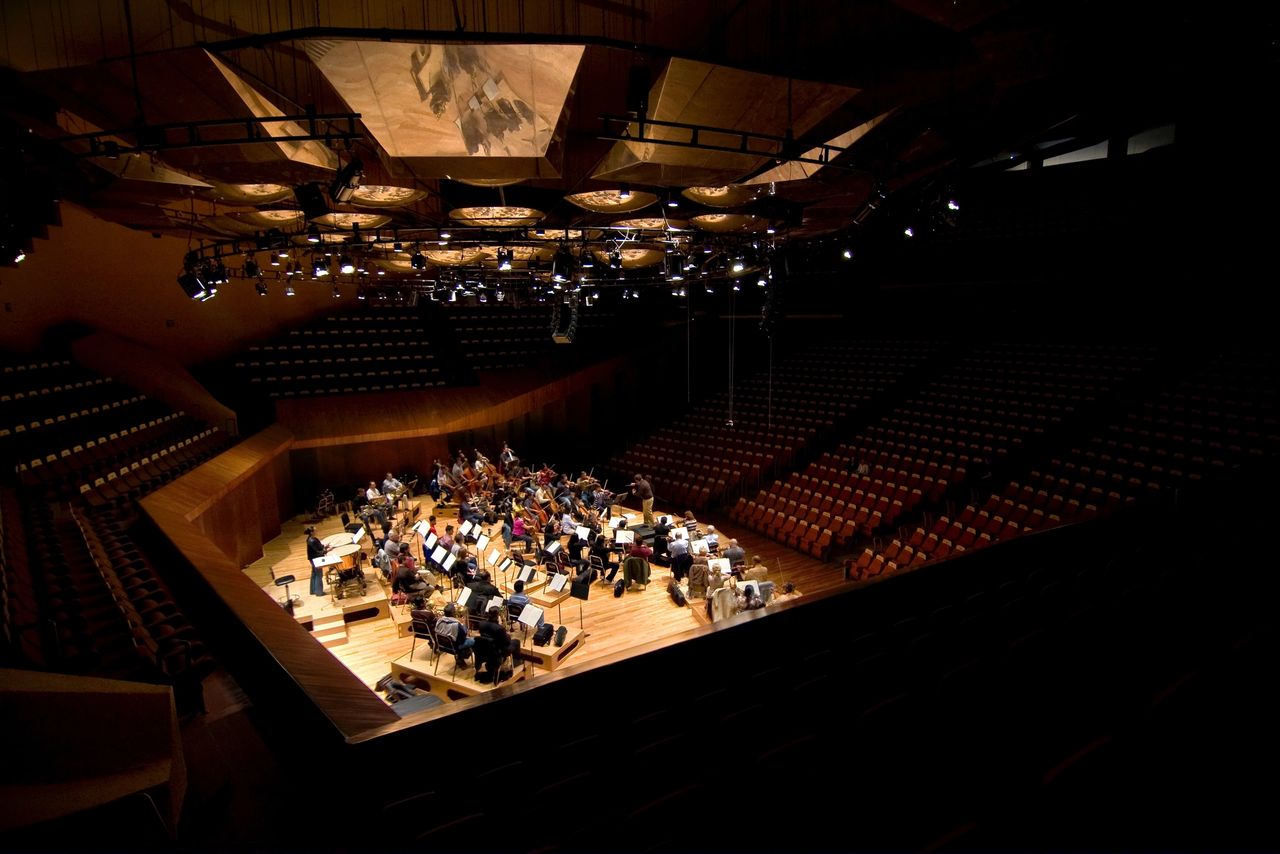
Let’s have another analogy, this time using another aspect of culture, the music. If you can imagine a symphony orchestra.
Multicultural is each musician bringing their individual instrument – the sitar, the violin, the djembe. The music plays, beautiful and distinct, but the sound remains compartmentalized.
Cross-cultural is the conductor meticulously studying each score, comparing tempos and rhythms. It’s the analysis of how different cultural “instruments” function within their own systems.
And finally, intercultural is the orchestra harmonizing, each musician adapting their style to create a unified symphony. This is the collaborative spirit, the respect for individual notes while weaving them into a richer, more vibrant tapestry of sound.
Understanding these nuances is crucial. Multiculturalism acknowledges diversity, cross-cultural studies it, but interculturalism embraces it. It’s not just about appreciating differences, it’s about building bridges, fostering dialogue, and celebrating the dynamic interplay of cultures that shapes our world.
Here are some Do’s and Don’tsfor Navigating the Multicultural, Cross-Cultural, and Intercultural Landscape:
Multicultural:
● Do: Celebrate diversity in your community, organization, or workplace.
● Do: Create opportunities for people from different cultures to share their traditions and customs.
● Don’t: Assume homogeneity within cultural groups. Individuals are always unique and diverse.
● Don’t: Stereotype or make generalizations about entire cultural groups.
Cross-Cultural:
● Do: Actively seek out information and resources about different cultures.
● Do: Be open to learning about and understanding differences in cultural norms and values.
● Don’t: Assume your own cultural perspective is universal or superior.
● Don’t: Rely on generalizations or stereotypes to understand individual behavior.
Intercultural:
● Do: Engage in respectful dialogue and exchange with people from different cultures.
● Do: Actively listen and learn from others’ perspectives and experiences.
● Don’t: Impose your own cultural expectations or assumptions on others.
● Don’t: Be afraid to make mistakes or ask clarifying questions. Openness and humility are key.
Additional Tips:
● Be mindful of nonverbal communication: Gestures, facial expressions, and personal space can vary significantly across cultures.
● Respect cultural differences in humor and communication styles: What’s funny in one culture might be offensive in another.
● Practice active listening: Pay attention to both verbal and nonverbal cues to understand the full message.
● Show genuine curiosity and interest in other cultures: Ask questions, engage in conversations, and be open to new experiences.
● Be patient and understanding: Building intercultural understanding takes time and effort.
So, the next time you encounter these terms, remember the marketplace, the symphony, and most importantly, the endless possibilities that arise when cultures engage in a vibrant dance of exchange and transformation. Let’s be the adventurous gourmets, the harmonizing musicians, and embrace the beauty of the truly intercultural world.
Remember, navigating the cultural landscape is a continuous journey of learning and growth. By embracing these do’s and don’ts, we can foster a more inclusive and respectful world where everyone feels valued and understood.