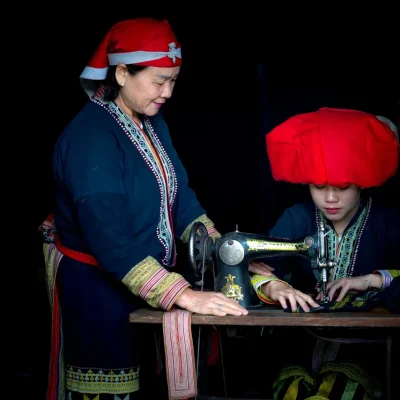



Intercultural Workforce: Building Bridges Across Cultures for Success

1. Understanding Cultural Diversity in the Workplace.
Cultural diversity in the workplace means having a mix of people from various backgrounds, like different races, ethnicities, nationalities, religions, ages, genders, sexual orientations, and disability statuses. It’s not just about these differences though; it also includes variations in communication styles, values beliefs and customs. When we embrace cultural diversity at work, it creates an inclusive and creative atmosphere where employees collaborate better and solve problems more effectively.
2. Benefits of a Multicultural Workforce.
A diverse workforce brings together individuals with different backgrounds, experiences, and perspectives, creating a rich tapestry of ideas and innovation. Embracing cultural diversity in the workplace can lead to numerous benefits, including:
1. Enhanced Creativity and Problem-Solving: With employees from various cultures, organizations can tap into a wider range of knowledge, skills, and experiences, leading to more creative solutions to problems and challenges.
2. Improved Customer Service: A multicultural workforce can better understand and relate to diverse customer needs, resulting in improved customer satisfaction and loyalty.
3. Broader Talent Pool: By embracing diversity, companies can attract and retain top talent from a variety of cultural backgrounds, ensuring access to a broader pool of skilled professionals.
4. Increased Adaptability: Organizations with a diverse workforce are better equipped to navigate the complex global marketplace and adapt to changing business environments.
5. Stronger Corporate Reputation: Companies that embrace diversity and inclusion are often viewed as progressive and forward-thinking, which can enhance their corporate reputation and brand image.
6. Better Decision Making: A diverse group of employees can provide alternative viewpoints and insights, leading to better decision making and increased overall organizational effectiveness.
3. Challenges Faced by a Multicultural Workforce.
Challenges faced by a multicultural workforce can range from communication barriers to differing cultural values and norms. It is important to recognize these challenges in order to effectively address them and build a successful intercultural workforce. Some common challenges include:
1. Cultural Norms and Values: Different cultures may have vastly different norms and values when it comes to topics such as work ethic, time management, and decision-making. These differences can cause conflicts and make it difficult for team members to work together effectively.
2. Stereotyping and Discrimination: Unfortunately, stereotypes and discrimination based on race, ethnicity, or culture can still exist in the workplace. These attitudes can create a hostile environment and make it difficult for individuals to feel valued and respected.
3. Resistance to Change: When implementing new strategies or processes that involve changes in work routines or expectations, some employees may resist due to their cultural background. They may view the change as a threat to their way of life or believe that it does not align with their cultural values.
It is important to acknowledge and understand these challenges in order to develop effective strategies for building a successful intercultural workforce. By doing so, organizations can foster a more inclusive and diverse environment where all employees can thrive and contribute to the company’s success.
4. Strategies for Building a Successful Intercultural Workforce.
To build a successful intercultural workforce, there are several strategies that organizations can implement. These include:
1. Creating a diverse hiring process that actively seeks out candidates from different cultural backgrounds. This can be done by reaching out to diverse job boards, attending diversity job fairs, and implementing diversity training for hiring managers.
2. Providing cultural competency training for all employees to help them understand and appreciate differences in culture, language, and customs. This training should cover topics such as stereotyping, bias, and microaggressions, and provide tools for effective communication across cultures.
3. Establishing mentorship programs that pair new employees from diverse backgrounds with experienced employees who can provide guidance and support. This can help new employees feel more connected and supported in their new work environment.
4. Encouraging cross-cultural collaboration and teamwork through team-building activities and projects that require employees to work together across cultural boundaries. This can help to break down barriers and foster mutual understanding and respect.
5. Creating a culture of inclusion where all employees feel valued and respected, regardless of their cultural background. This can be achieved by promoting diversity and inclusiveness in company policies and procedures, and providing opportunities for employee feedback and input on these issues.
6. Recognizing and celebrating diversity through company events and activities, such as cultural festivals, language classes, and diversity awareness campaigns. This can help to create a positive and welcoming work environment that values and embraces diversity.
5. Importance of Communication in an Intercultural Workplace.
Effective communication is crucial in any workplace, but it is especially important in an intercultural workplace. Miscommunications can lead to misunderstandings, misinterpretations, and even conflict between employees with different cultural backgrounds. It is essential to develop effective communication strategies that promote understanding and respect among team members. This includes actively listening to others, using clear and concise language, and being open to feedback and new ideas. Creating a safe space for employees to share their thoughts and experiences can help build trust and foster a sense of belonging within the workplace. Ultimately, strong communication skills can help bridge the gap between cultures and create a more inclusive and productive work environment.
6. Cultural Competency Training for Employees.
Cultural competency training for employees is essential in creating a successful intercultural workforce. This type of training helps employees develop the skills they need to effectively communicate and work with individuals from diverse backgrounds. It also teaches them how to recognize and respect cultural differences, avoid stereotypes, and understand the impact of cultural norms on communication and decision-making. By providing this type of training, employers can create a more inclusive and welcoming environment for all employees, regardless of their cultural background. Cultural competency training can help improve employee morale and productivity, as well as reduce conflicts and misunderstandings in the workplace.
7. Encouraging Diversity in Hiring Practices.
Encouraging diversity in hiring practices is crucial for building a successful intercultural workforce. By actively seeking out candidates from diverse backgrounds, companies can create a more inclusive and representative work environment. This not only benefits employees from minority groups, but it also brings unique perspectives and ideas to the table, leading to better problem-solving and decision-making. To encourage diversity in hiring practices, companies should consider implementing targeted recruitment strategies, such as attending job fairs and networking events that cater to underrepresented groups, partnering with organizations that support diversity and inclusion, and using language in job postings that emphasizes inclusivity. Also, companies should provide training and resources to hiring managers to ensure they are equipped to identify and select qualified candidates from diverse backgrounds. By taking these steps, companies can create a more equitable and successful intercultural workforce.
8. Fostering Inclusivity in the Workplace.
Inclusivity in the workplace refers to creating an environment where all employees feel valued, respected, and supported regardless of their background or cultural differences. It involves promoting diversity and encouraging open communication among team members from different cultures. When fostering inclusivity, it is important to recognize and celebrate the unique perspectives and experiences that each employee brings to the table. This can be achieved through initiatives such as diversity training programs, mentorship opportunities, and regular check-ins with employees to ensure they feel comfortable and included.
9. Celebrating Diversity Through Company Events and Activities.
Company events and activities provide an excellent opportunity for employees from diverse backgrounds to come together, share their cultures, and celebrate diversity. These events can range from cultural festivals and food fairs to team-building activities that highlight different traditions and customs. By creating a space where employees can express themselves and learn about each other’s cultures, companies can foster a sense of unity and belonging among their workforce.
Celebrating diversity through company events and activities not only promotes a positive work environment but also helps to break down barriers and stereotypes. It allows employees to connect on a deeper level, building relationships based on mutual respect and understanding. This, in turn, can lead to increased collaboration and innovation within the company.
These events can also serve as a tool for education and awareness. By providing opportunities for employees to learn about different cultures, companies can help to create a more inclusive and welcoming environment. This can include workshops or seminars on topics such as etiquette, language, and customs related to various cultures.
Celebrating diversity through company events and activities is an important aspect of building a successful intercultural workforce. It helps to create a supportive and inclusive environment where employees feel valued and respected, leading to increased engagement, productivity, and job satisfaction.