


Leveraging Cultural Diversity in Education for Global Competence

Leveraging Cultural Diversity in Education for Global Competence
As the world becomes increasingly interconnected and culturally diverse, it is imperative for education systems to cultivate global competence and empathy in students. Cultural diversity brings with it a wealth of perspectives, experiences, and ways of thinking that can enhance the learning environment and foster intercultural understanding.
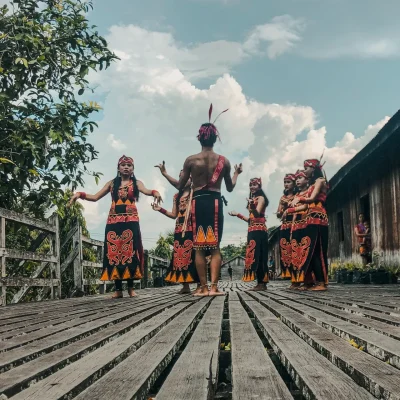
.jpg/:/cr=t:0%25,l:0%25,w:100%25,h:100%25/rs=w:1280 "Photo Of People Dancing Wearing Traditional Wear - West Kalimantan, Indonesia")
To achieve this, educational institutions must embrace cultural diversity and incorporate it into the curriculum. This can be achieved through a number of strategies, including:
Multi-cultural education
This involves teaching students about different cultures, their history, beliefs, values, and traditions, and how they impact the world. This can be done through various forms of media, such as books, videos, and field trips, and can help students gain a deeper understanding of and appreciation for cultural diversity.
Cross-cultural communication skills
In a globally interconnected world, effective cross-cultural communication is essential. This can be achieved through language learning, intercultural exchange programs, and interactive classroom activities that encourage students to interact with others from different backgrounds.
Here’s how the approaches mentioned can help:
- Language Learning: While fluency isn’t always necessary, understanding basic greetings, phrases, and cultural nuances in another language demonstrates respect and can open doors for communication. Imagine traveling to a country and being able to thank someone in their native language – it goes a long way!
- Intercultural Exchange Programs: These programs provide invaluable opportunities for people from different backgrounds to live, learn, and interact with each other. By experiencing daily life in another culture, participants gain firsthand understanding and overcome stereotypes.
- Interactive Classroom Activities: Moving beyond traditional lectures, these activities encourage students to engage with diverse perspectives. This could involve simulations, role-playing, group discussions, or projects focused on understanding different cultural viewpoints. By actively participating, students develop critical thinking, communication, and problem-solving skills applicable in a globalized world.
Encouraging cultural exchange
Encouraging cultural exchange fosters understanding and appreciation for different ways of life. Here are some methods to encourage this exchange:
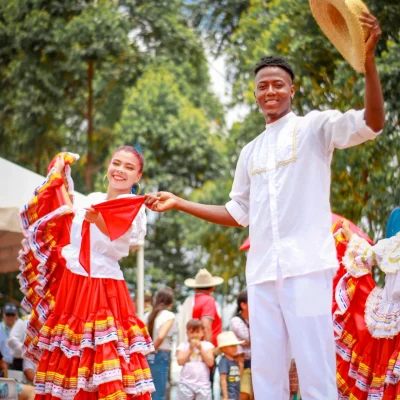
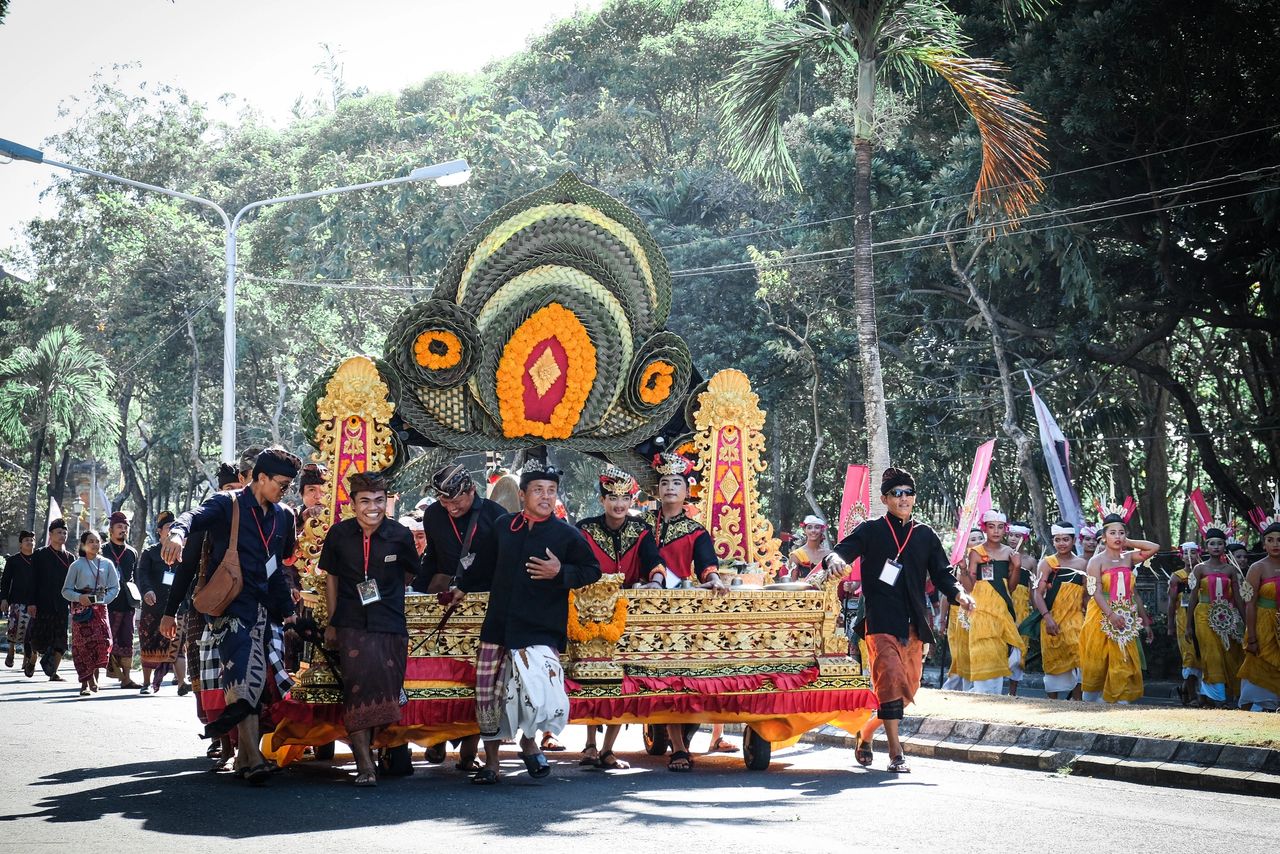
- Cultural Festivals: These events showcase the music, food, art, and traditions of various cultures. Imagine attending a festival that features traditional Chinese dragon dances, Irish folk music, and booths with foods from around the world. It’s a fun and immersive way to learn about different cultures.
- Student Exchanges: These programs allow students to live and study in another country, experiencing a new culture firsthand. Imagine a student from the US spending a semester in Japan, attending classes, living with a host family, and participating in cultural activities. This can be a life-changing experience that broadens perspectives and builds lasting friendships.
- Guest Speakers: Inviting speakers from different cultures to schools or community centers allows them to share their experiences and perspectives. This could be an artist discussing their creative process, a scientist explaining their research, or a community leader talking about their cultural heritage. Hearing firsthand accounts can be incredibly insightful and inspiring.
Benefits of Cultural Exchange:
- Understanding: By engaging with different cultures, we break down stereotypes and develop empathy for others.
- Communication: Cultural exchange fosters better communication skills as we learn to navigate differences and find common ground.
- Appreciation: Exposure to diverse cultures fosters appreciation for the richness and beauty of the world around us.
- Global Citizens: Cultural exchange helps us develop into well-rounded global citizens who can thrive in an interconnected world.
Emphasizing cultural humility
Cultural humility is the ongoing process of recognizing and respecting the unique perspectives and experiences of others, even if they differ from your own. It’s about approaching interactions with an open mind and a willingness to learn.
We suggest these methods to cultivate cultural humility:
- Critical Thinking Exercises: Activities that encourage students to analyze situations from multiple perspectives and consider different cultural viewpoints. This could involve analyzing news articles, historical events, or even fictional stories through a cultural lens.
- Role-Playing Activities: Simulating real-world situations allows participants to experience challenges and opportunities faced by people from different cultures. Imagine role-playing a business negotiation between people from cultures with varying communication styles – it highlights the importance of adapting your approach.
- Discussion-Based Learning: Open discussions about cultural differences and experiences foster empathy and understanding. By actively listening to others and sharing perspectives, participants learn from each other and challenge their own assumptions.
Benefits of Cultural Humility:
- Reduced Bias: By acknowledging our own cultural biases, we can make more objective decisions and avoid stereotypes.
- Effective Communication: Understanding different cultural norms improves communication and collaboration across cultures.
- Lifelong Learning: Cultural humility fosters a continuous openness to learning and growth from diverse perspectives.
- Building Bridges: It helps create a more inclusive and respectful environment where everyone feels valued and heard.
By leveraging cultural diversity in education, students can develop a deeper understanding of and appreciation for different cultures, as well as the skills and attitudes necessary to effectively communicate and collaborate across cultural boundaries. This not only prepares them for success in a rapidly globalizing world, but also fosters empathy, compassion, and respect for others, which are critical for building a more just and inclusive society.