
The China Room: A Hidden Symbol of Diplomacy in the White House
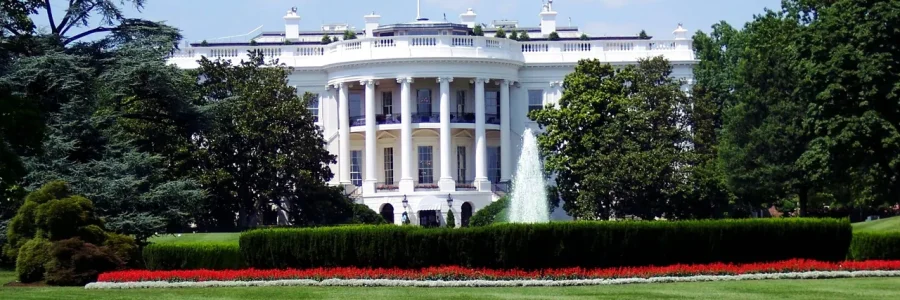
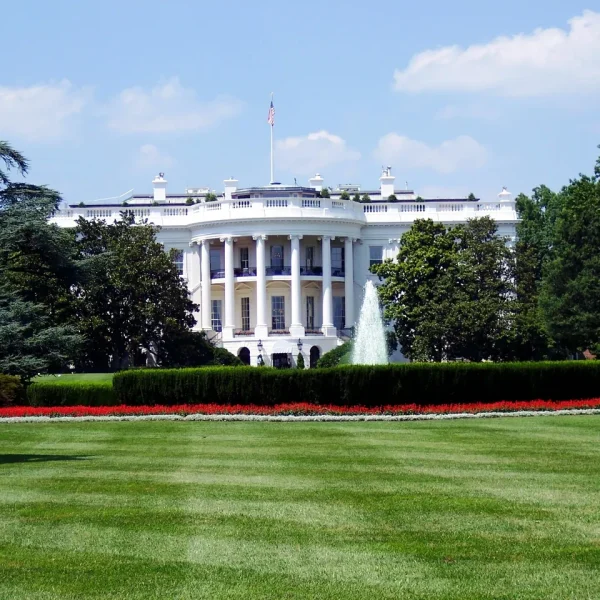
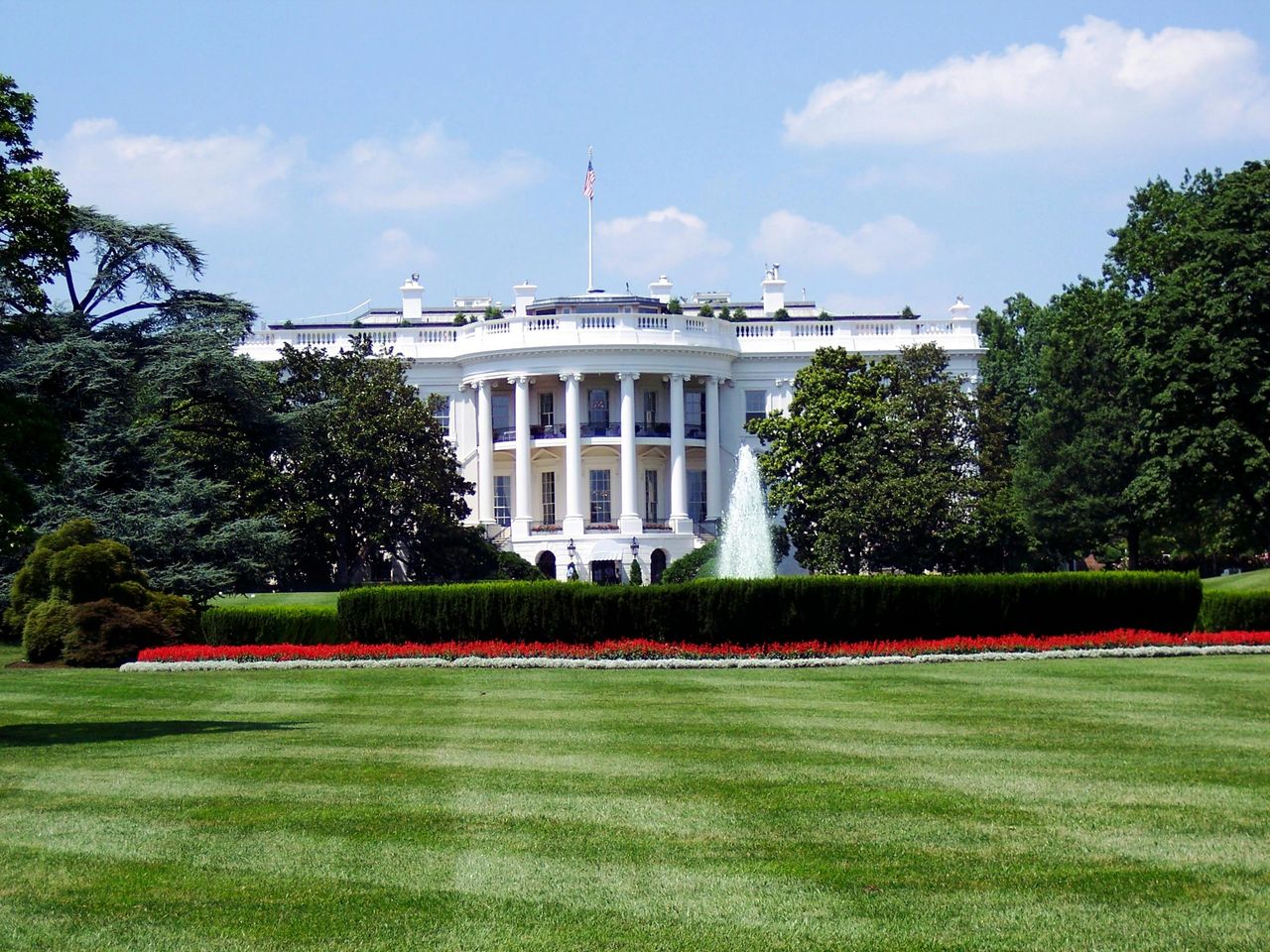
When people think of diplomacy in the White House, they often picture high-stakes meetings, press conferences, and state dinners. However, one of the most understated symbols of diplomacy lies quietly on the ground floor: the China Room.
Origin of The China Room
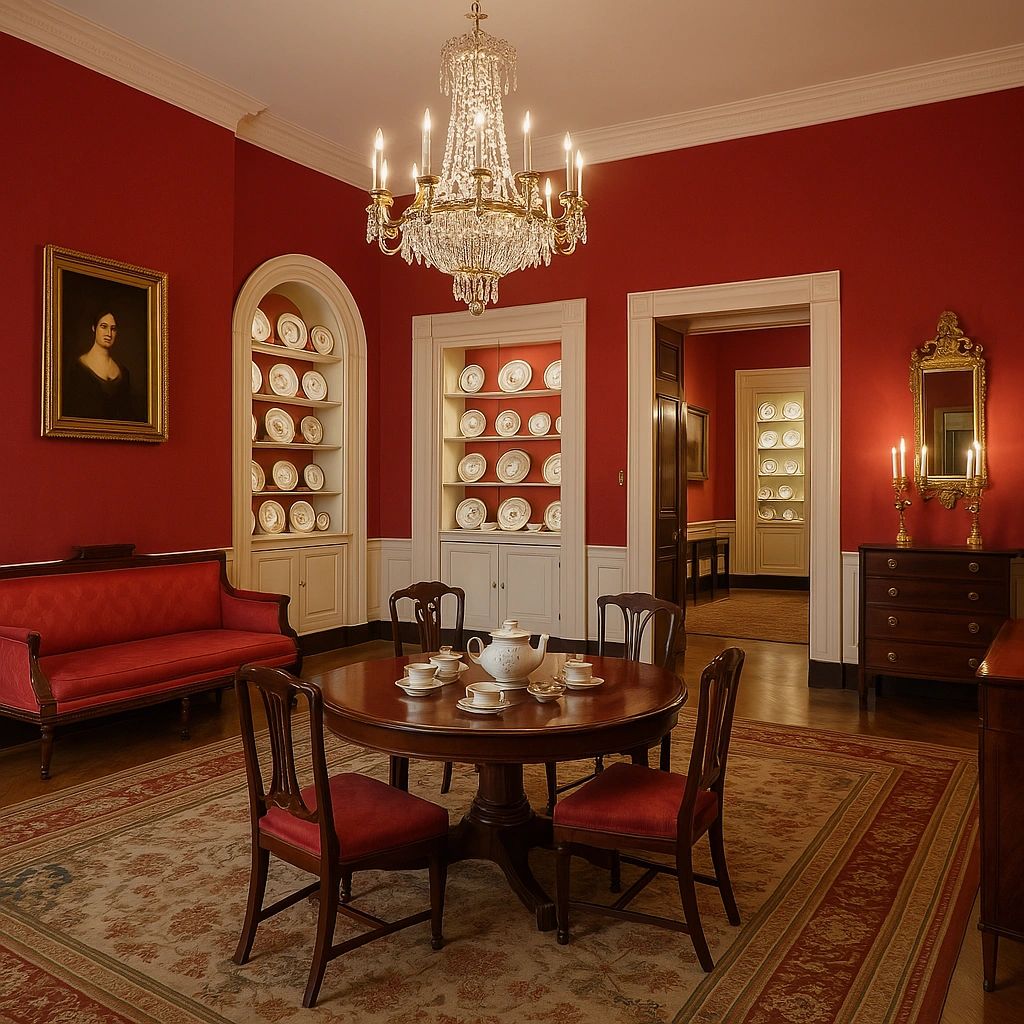
At first glance, the name might raise eyebrows, does it have anything to do with the country China? Well, The China Room derives its name from the fine porcelain dinnerware, commonly referred to as “china”—displayed within its elegant cabinets.
Designated in 1917 by First Lady Edith Wilson, the room was transformed from a storage space into a curated historical archive. Mrs. Wilson sought to create a formal display for the growing collection of presidential china, recognising its value not just as decoration, but as a cultural artifact. Over the years, the room has become a visual timeline, hosting pieces that date as far back as the early 1800s.
Chinese Porcelain: A Cultural Narrative
Each piece in the China Room tells a unique story of artistic evolution, manufacturing techniques, and changing diplomatic norms. Presidential china sets are a window into the values and vision of each administration.
Presidents and First Ladies have often overseen the design of their own official state china. These sets are used for state dinners, luncheons, and receptions with visiting heads of state.
But what makes these plates more than decorative is how they are used: at moments when the U.S. extends a hand in friendship, unity, or celebration to other nations.
Origins of The Chinese Porcaline
Chinese porcelain has a long and rich history that dates back over 2,000 years.
Han Dynasty (206 BCE – 220 CE)

The earliest forms of Chinese porcelain began to emerge during the Han dynasty. These were relatively simple stoneware pieces, which laid the foundation for what would later become true porcelain. The first known use of porcelain was in the form of high-fired ceramics.
Tang Dynasty (618–907)
The Tang dynasty saw the refinement of porcelain techniques, especially the use of kaolin, a white clay that would eventually define porcelain. This period also marked the beginnings of the famous blue-and-white porcelain, a style that would become iconic in later centuries.
Song Dynasty (960–1279)
Golden Age of Porcelain: During the Song dynasty, porcelain production reached new heights. This era saw the development of famous kilns such as those in Jingdezhen, which became known as the “Porcelain Capital.” The Song period is often considered the golden age for Chinese ceramics, with highly refined pieces like celadon and black-glazed porcelain emerging.
Yuan Dynasty (1271–1368)
The Yuan dynasty saw the introduction of new techniques and the expansion of porcelain production. The famous blue-and-white porcelain, which became a hallmark of Chinese porcelain, was further perfected during this time. These pieces were often decorated with motifs of dragons, flowers, and landscapes.
The Yuan dynasty also marked the beginning of China’s porcelain trade with the West, with Chinese porcelain reaching Europe and the Middle East.
It All Started As Diplomatic Gifts
The Chinese porcelain in the China Room was largely accumulated through diplomatic gifts, particularly during the 19th and early 20th centuries, as a part of the U.S.-China relations. Many of the porcelain items were presented to American presidents by Chinese officials and diplomats as symbols of goodwill, friendship, and cultural exchange.
Notable Gifts and Key Events
- The 1784 Gift to President George Washington: One of the earliest examples of Chinese porcelain entering the White House was a set of Chinese export porcelain given to President George Washington by Chinese merchants. These early gifts were highly prized and reflected the prestige and trade ties between the United States and China at the time.
- The Qing Dynasty: In the late 19th century, porcelain became a prized commodity in diplomatic relations. During the Qing Dynasty, emperors would gift porcelain to foreign dignitaries and heads of state. Many of these gifts made their way to the White House through various presidents, who were gifted entire sets of dinnerware or individual decorative items.
- President Franklin D. Roosevelt’s Contributions: In the 1930s and 1940s, Franklin D. Roosevelt played a significant role in building the collection of Chinese porcelain in the White House. He received gifts from Chinese officials during his diplomatic visits, and these items were carefully added to the China Room’s collection.
- Chinese Porcelain as a Symbol of Diplomacy: Throughout the 19th and 20th centuries, Chinese porcelain was often used as a diplomatic gesture to convey respect and strengthen ties between nations. Presidents and diplomats from both countries recognized the value of this art form as a sign of cultural appreciation and political alliance.
The Role of the China Room
By the time Jacqueline Kennedy restored the White House in the early 1960s, she made sure to highlight the China Room as a space that showcased the nation’s historical and diplomatic ties through china collections. She had an interest in preserving the presidential heritage and the diplomatic gifts that had been passed down through various administrations. Under her guidance, the Chinese porcelain pieces became an important feature of the room.
The Symbolic Importance
Chinese porcelain in the China Room symbolizes the strong historical and cultural ties between the United States and China. The intricate porcelain pieces in the room are not only valuable art objects but also serve as reminders of the centuries of diplomacy, trade, and cultural exchange between the two nations.
A Backdrop to History
While rarely featured in headlines, the China Room has hosted countless quiet moments in diplomatic history. During tours, receptions, and cultural exchanges, international guests often pause to admire the porcelain pieces, a moment of curiosity that opens a doorway to cultural dialogue.
One particularly poignant use of the China Room occurred during the Truman and Eisenhower administrations, when the room began to be more regularly featured during official White House tours. It offered not only a glimpse into presidential traditions but also into America’s self-image through hospitality.
Today, guests to the White House, both national and international, often receive a guided look at the room. First Ladies continue to play a role in maintaining the collection, and new administrations may even commission their own set for future gatherings.
Diplomacy Through Hospitality
Diplomacy isn’t just about policies or speeches, it’s about gestures, traditions, and the space where conversations unfold. A formal meal served on presidential china does more than nourish, it symbolically communicates care, attention, and respect. The careful curation of tableware becomes part of a diplomatic performance, reflecting values of elegance, openness, and pride in national heritage.
At the London Intercultural Centre (LIC), we acknowledge the role of cultural exchange in diplomacy. The traditions reflected in the China Room mirror customs of hospitality found around the world. Whether it’s a Japanese tea ceremony, a Middle Eastern feast, or an African communal meal, the universal message is the same: sharing food builds trust and build human connection.
The China Room and Cultural Continuity
Over more than a century, the China Room has weathered renovations, changing administrations, and evolving tastes. Yet it remains a constant, grounded in tradition while reflecting modernity. The most recent additions to the room continue to show a shift toward sustainability and inclusivity, highlighting how diplomacy evolves alongside social values.
This continuity mirrors the essence of intercultural diplomacy: balancing respect for the past with openness to the future.
The Future of Cultural Diplomacy
With geopolitics becoming increasingly complex, spaces like the China Room remind us of diplomacy’s softer power. They show us that influence is not only exerted through policies, but also through the delicate art of hospitality. Sometimes, what’s served on the table can shape the tone of the conversation that follows.
At LIC, we believe that exploring historical and cultural artifacts, like the White House china collection, offers invaluable insights into the heart of diplomacy. These are not just plates, they are pieces of living history, stories of peaceful engagement and thoughtful design that echo around the world.
As we continue to champion intercultural understanding and inclusive dialogue, we invite our global community to reflect on the silent yet powerful tools of diplomacy, hospitality, history, and culture.